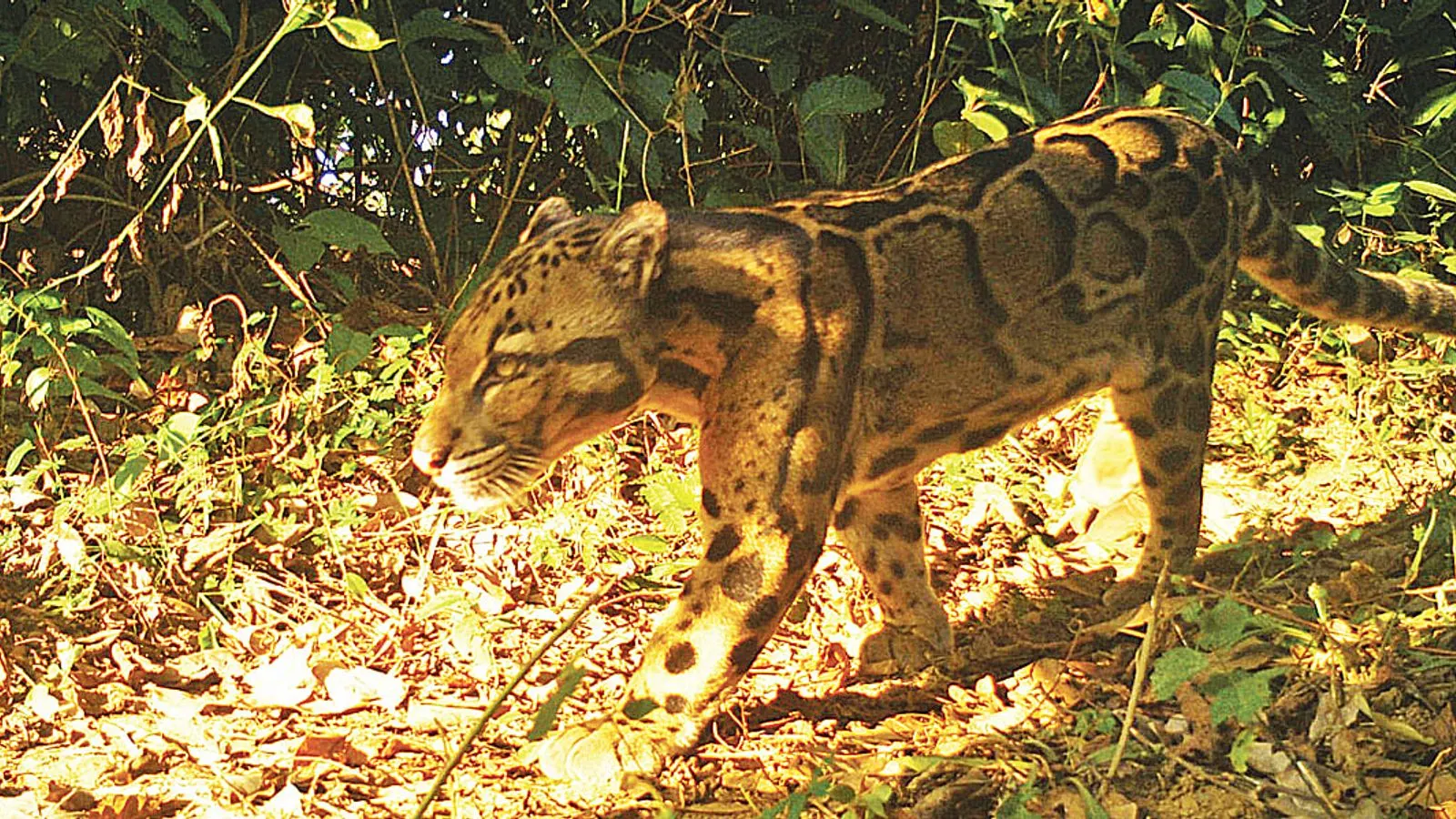

Severe Wildfires and Carbon Emissions Strike Indonesia's Borneo
Severe wildfires fueled by El Niño weather conditions have devastated hundreds of thousands of hectares of land in Indonesia. The resulting smoke has triggered widespread air pollution and health crises across the region.
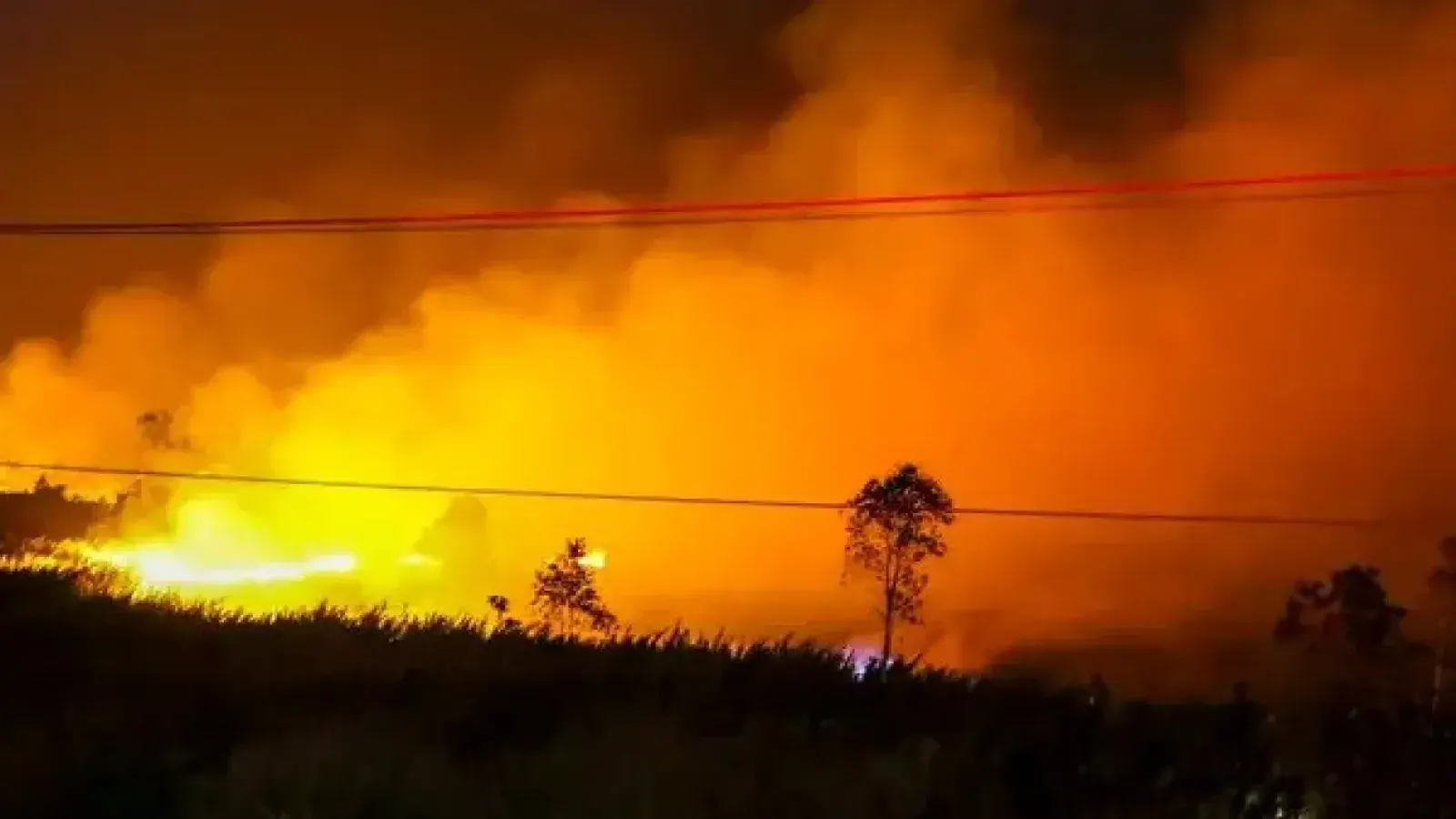
During the months of July and August 2023, devastating wildfires broke out across Indonesia's Borneo island, as well as in Sumatra and Kalimantan. Driven by El Niño weather conditions, the blazes have razed an estimated 200,000 to 285,000 hectares of vital forests and agricultural lands. This massive destruction has sparked serious international concern regarding the severe environmental and health impacts unfolding across Southeast Asia.
Experts have warned that the ongoing fires on Borneo island threaten to release millions of tons of carbon dioxide, carbon monoxide, and methane gas directly into the atmosphere. Highlighting the ecological significance of the region, Dr. Nisa Novita of the organization Yayasan Konservasi Alam Nusantara stated that Indonesia's tropical peatlands are among the most effective natural carbon reservoirs in the entire world.
The environmental fallout from the Indonesian fires has crossed national borders, creating a widespread regional crisis. Thick, hazardous smoke originating from the blazes has drifted across international boundaries, affecting neighboring countries including Brunei, Malaysia, Singapore, and the Philippines. This transnational haze has significantly degraded air quality across the affected territories, multiplying health risks for millions of inhabitants.
Public health authorities have reported alarming figures regarding the human toll of the disaster. Within the period of July and August alone, approximately 50,000 people in Indonesia suffered from acute respiratory tract infections due to the heavy smog. Among the victims, a staggering 12,000 are children, placing an immense burden on the healthcare system and prompting urgent responses from organizations such as the World Health Organization and Indonesia's Health Ministry.
The scale of the ecological and atmospheric threat remains exceptionally high as authorities continue to monitor the situation. Officials note that the fires have jeopardized nearly 4.5 million hectares of forest land featuring peat deposits of more than 20 meters in depth. Ultimately, more than 10 million people have found themselves directly facing the unprecedented environmental disaster unfolding across the region.