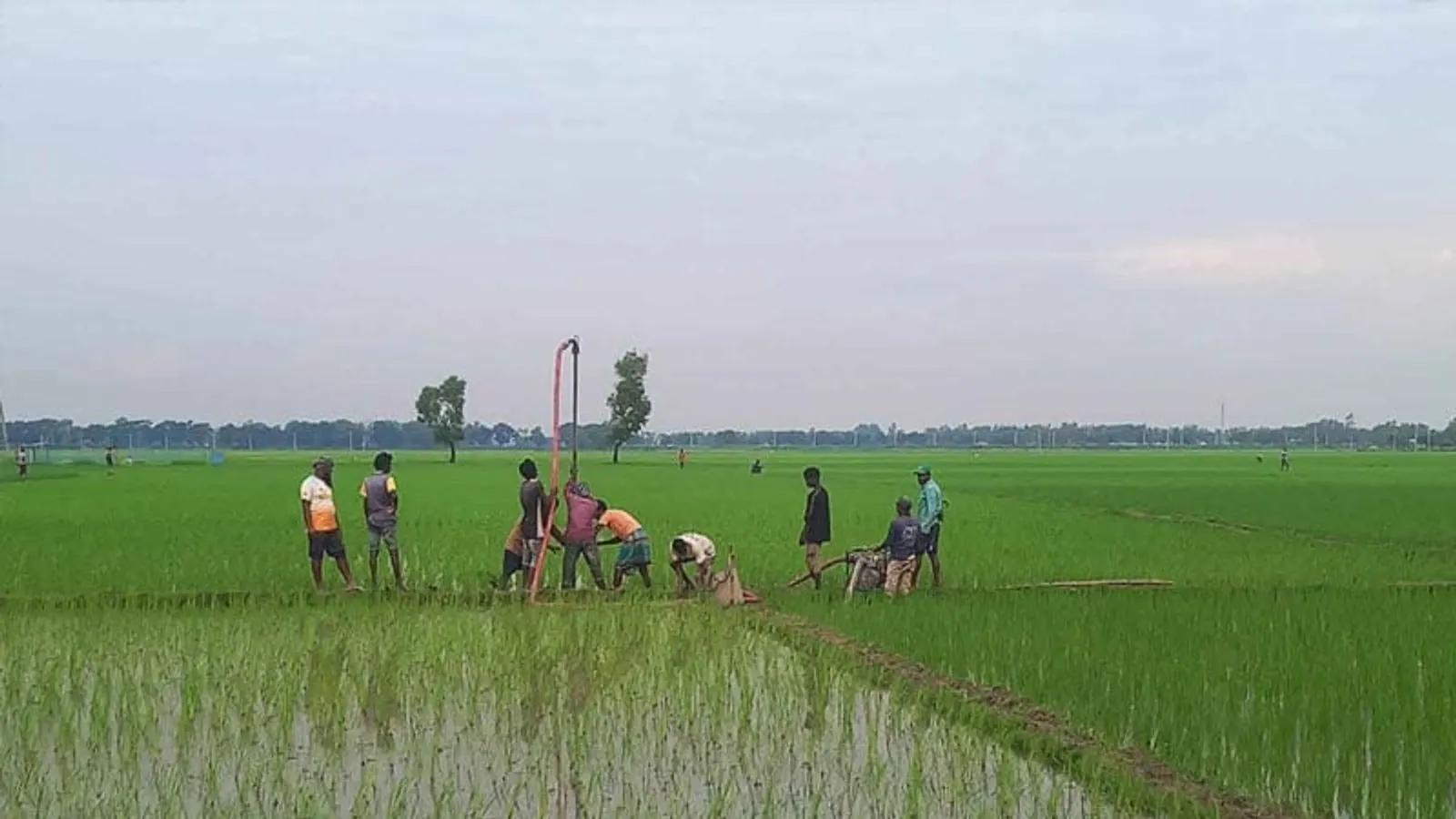

Severe Gas Crisis Halts Production Across Major Industrial Hubs
A severe gas supply shortage has triggered widespread production halts across nearly one hundred heavy industries and approximately one thousand garment factories in Chattogram, Narayanganj, and Habiganj. Business leaders warn that the ongoing energy crisis threatens to inflict severe damage on both local and national economies.
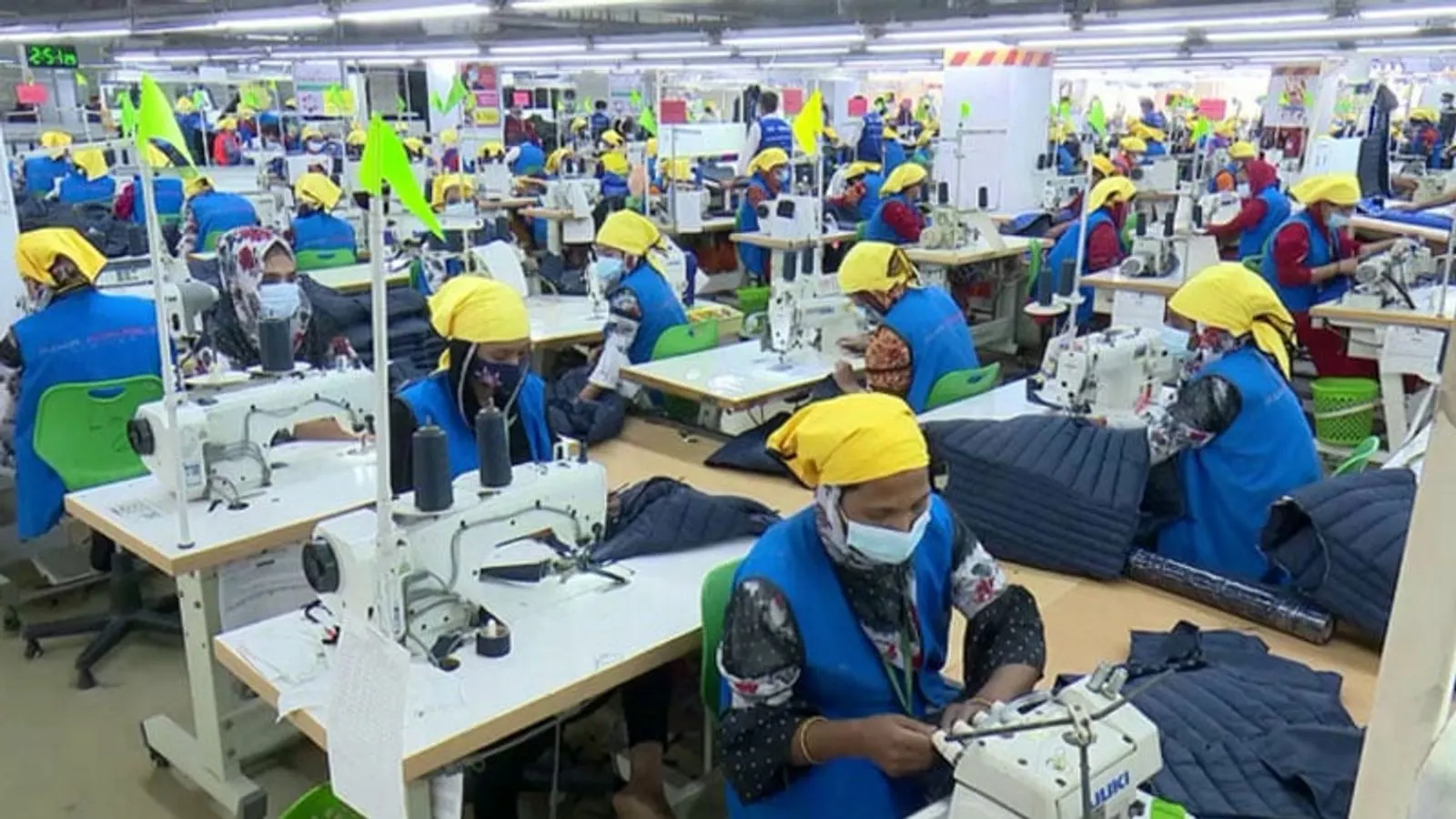
A severe gas crisis has forced production to grind to a halt across heavy industries and garment factories in several key manufacturing regions, including Chattogram, Narayanganj, Habiganj, Madhabpur, Shahjibazar, Fatullah, Kanchpur, Meghanaghat, and Rupganj. Business owners and industry representatives report that low pressure and a complete lack of gas supply have severely disrupted operations at approximately one hundred heavy industries and roughly one thousand ready-made garment factories. Major industrial stakeholders affected by the crisis include the BSRM Group, HM Steel, Golden Ispat, TK Group, Karnaphuli Steel, PHP Float Glass Industries, and GPH Ispat, alongside numerous other manufacturing enterprises, textile mills, and ceramic producers.
The impact on heavy manufacturing has been immediate and critical. Tapan Sengupta noted that when gas pressure remains low, factories struggle to stay operational, risking machinery damage and forcing many to shut down. Sarwar Alam stated that Golden Ispat's factory is completely closed, while HM Steel has been forced to suspend two daytime shifts, relying on a slight night-time pressure increase to run a single shift. Tariq Ahmed added that Karnaphuli Steel, which has a monthly production capacity of approximately 18,000 tons, managed minimal production on Wednesday but recorded zero output over the following two days, emphasizing that the government must urgently establish alternative solutions. Almas Shimul highlighted that low gas pressure has persisted for a long time, but with supplies now entirely gone, production costs and operational disruptions continue to soar. Amirul Haq warned that the energy crisis will damage the national economy, necessitating comprehensive medium and long-term energy planning.
The garment and textile sectors are facing parallel devastation, particularly in Narayanganj, where around five hundred garment factories operate alongside sub-contracting units and linkage industries. Minhajul Haque reported that their dyeing unit has been shut down since July 23, and having exhausted their remaining stock of finished fabrics, apparel production is now completely halted. Mohammad Hatem stated that local garment factories and gas-dependent linkage industries have been closed for two days, warning of a potential collapse in the apparel sector if conditions fail to improve. Amzad Hossain noted that nearly all of their 150 factories are currently shut due to the lack of gas, while Mohammad Mahbubur Rashid Jewel confirmed that most mills have been inactive for two to three days. Salim Sarwar observed that while some operators have attempted to maintain production using generators, such measures are unsustainable for long periods.
Specific sectors are facing catastrophic technical challenges due to the prolonged outages. BSRM Group has completely halted raw material production amid the crisis. Furthermore, glass manufacturing furnaces, such as those operated by PHP Float Glass Industries, cannot be easily shut down without risking permanent structural damage that would require hundreds of crores of Taka to rebuild. Industry associations, including the Chattogram Chamber, BKMEA, Bangladesh Knit Dyeing Owners Association, Bangladesh Salt Mill Owners Association, Bangladesh Re-rolling Association, and Bangladesh Knitting Owners Association, continue to grapple with daily production losses estimated at forty to forty-five percent across various plants as gas pressures plunge from standard levels down to critical lows.