
Scientists Explain How Pacific and Atlantic Waters Mix
Researchers confirm that the waters of the Pacific and Atlantic oceans do mix despite visual borders. Experts note that climate change is slowing down ocean currents and water mixing.
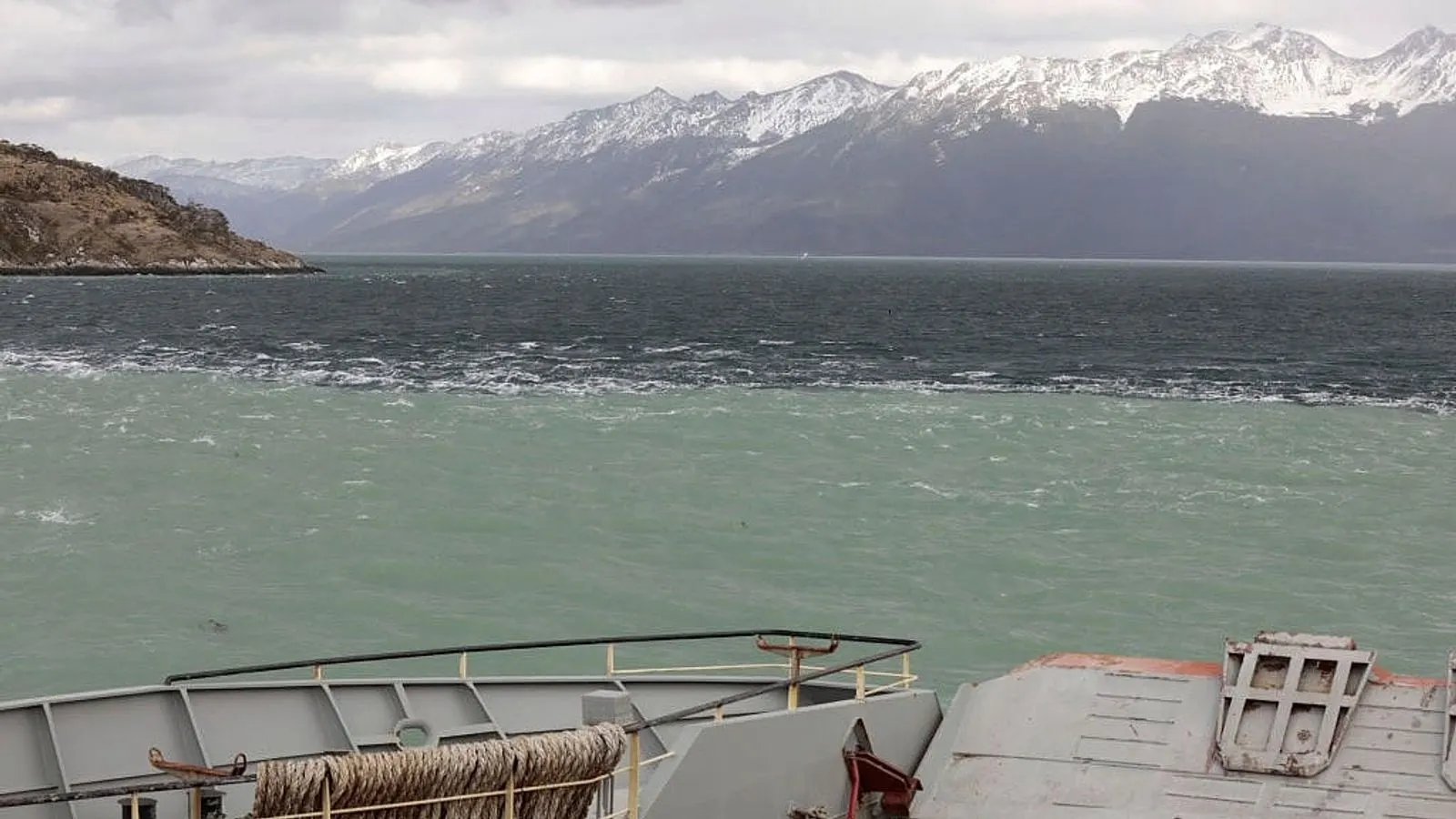
A fascinating scientific explanation has shed light on the long-debated phenomenon regarding the waters of the Pacific and Atlantic oceans. Addressing a common question about whether these two massive bodies of water actually intermingle, Nadine Ramirez from the University of Concepción in Chile provided a clear and direct answer. According to Ramirez, the short answer to the question is a definitive yes, confirming that the water of the Pacific and Atlantic oceans definitely mixes together.
While observers often point to distinct visual boundaries where different bodies of water meet, scientific observations reveal a more dynamic reality beneath the surface. Experts explain that when rivers or glaciers flow into the sea, a distinct border line can initially be observed. This visible demarcation is primarily caused by differences in density between the incoming fresh water and the saline ocean water before complete integration takes place.
Building upon these fundamental oceanographic principles, researchers have also highlighted emerging environmental concerns that affect this natural process. According to findings shared by researchers including De Lavergne and Nadine Ramirez from Chile's Concepción University, broader ecological shifts are currently impacting the world's oceans. Specifically, ongoing climate change is altering the fundamental behavior of major marine systems across the globe.
Among these climate-driven impacts, scientists have observed measurable changes in ocean dynamics. The data indicates that due to climate change, the speed of oceanic currents is decreasing significantly. Furthermore, this environmental shift is also resulting in a reduced rate of water mixing across various marine regions, altering how different water masses interact with one another.
Ultimately, these scientific insights from the University of Concepción researchers provide a comprehensive understanding of ocean mechanics. They demonstrate that while Pacific and Atlantic waters do indeed merge, the complex physical processes governing this mixing are increasingly vulnerable to global climate alterations. Scientists continue to monitor these vital currents to better understand the long-term consequences for global marine environments.