

Scientists Develop Photoswitchable Drugs to Restore Vision in Blind Animals
A research consortium has developed photoswitchable small-molecule drugs called prosthe6 to restore vision in animal models of blindness. The innovative approach uses eye drops or injections to reactivate dormant retinal circuitry without requiring genetic modification.
A collaborative research consortium has successfully developed photoswitchable small-molecule drugs, known as prosthe6, designed to restore vision in animal models suffering from blindness. The breakthrough addresses conditions such as age-related macular degeneration and retinitis pigmentosa, which are caused by photoreceptor degeneration. These debilitating degenerative eye diseases currently affect about 200 million people worldwide. Furthermore, the global economic burden of vision loss is staggering, accounting for over US$400 billion per year through direct healthcare expenses and lost productivity.
The international effort behind this development brings together multiple prestigious academic and research institutions, including the Institute for Bioengineering of Catalonia, the University of Barcelona, the University of Alcalá, the Institut de Química Avançada de Catalunya, the Institute Ramón y Cajal of Health Research, the Autonomous University of Barcelona, and the Fundació Eduard Soler. The scientific findings detailing these compounds have been published in the Journal of the American Chemical Society. The team was led by Pau Gorostiza, an ICREA Research Professor who also heads the Nanoprobes and Nanoswitches group and is a member of CIBER-BBN, working alongside IBEC postdoctoral researcher Rosalba Sortino and researcher Pedro de la Villa.
Explaining the core scientific objective behind the project, Rosalba Sortino stated that their goal was to restore vision using a molecular mechanism that is as close as possible to how the healthy retina works. Expanding on this physiological context, Pedro de la Villa noted that in healthy vision, ON bipolar cells play a key role in passing on information about the presence of light to the rest of the visual circuit. In degenerative eye diseases, although the photoreceptors are lost, much of this underlying circuitry remains intact but inactive, which creates a major therapeutic opportunity for targeted interventions.
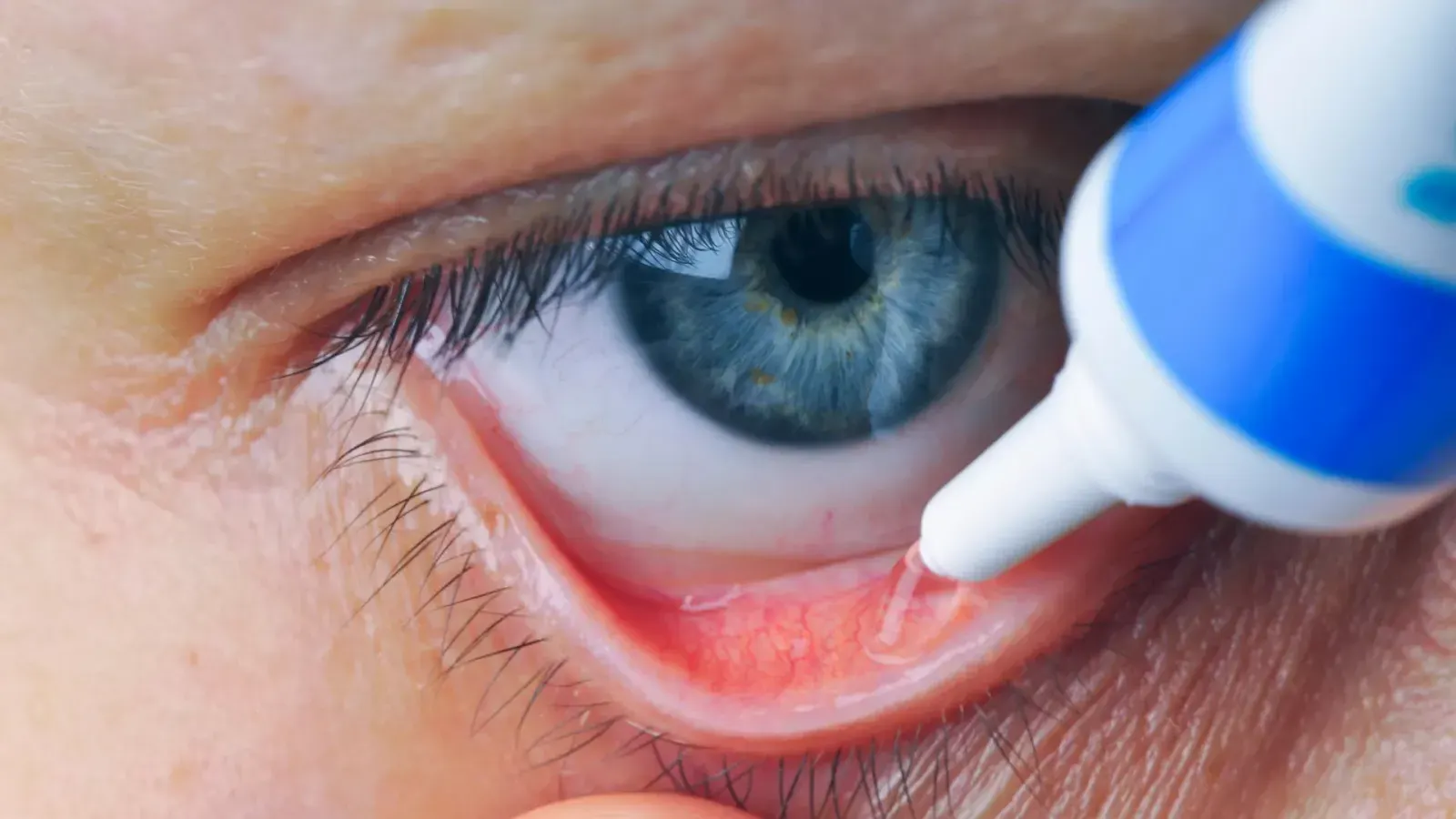
The newly developed prosthe6 compounds capitalize on this surviving retinal architecture by offering a delivery method that avoids invasive procedures. Specifically, the treatment can be administered simply via injection or through standard eye drops. This distinct advantage means the therapy works without requiring any genetic modification of the patient's cells or the surgical implantation of electronic devices into the eye.
Rigorous testing in laboratory settings has proven the effectiveness of these small-molecule drugs across multiple animal models. The treatment successfully restored saccadic eye movements in blinded zebrafish larvae, while also demonstrating the restoration of light-avoidance behavior in treated mouse models.
Addressing the broader medical implications of the research, Pau Gorostiza emphasized the precise therapeutic scope of the innovation. He pointed out that these molecules do not cure blindness, because they do not address the root cause of photoreceptor degeneration. However, he concluded that they are remarkably effective at restoring sight, and they do so using a very simple and potentially patient-friendly approach.