
Russia's Global Standing Examined Amid International Instability
Thirty-five years after the dissolution of the Soviet Union, Moscow maintains its status as a nuclear superpower and a vital supplier to global markets. This analysis examines Russia's geopolitical influence and strategic position amidst ongoing international instability.
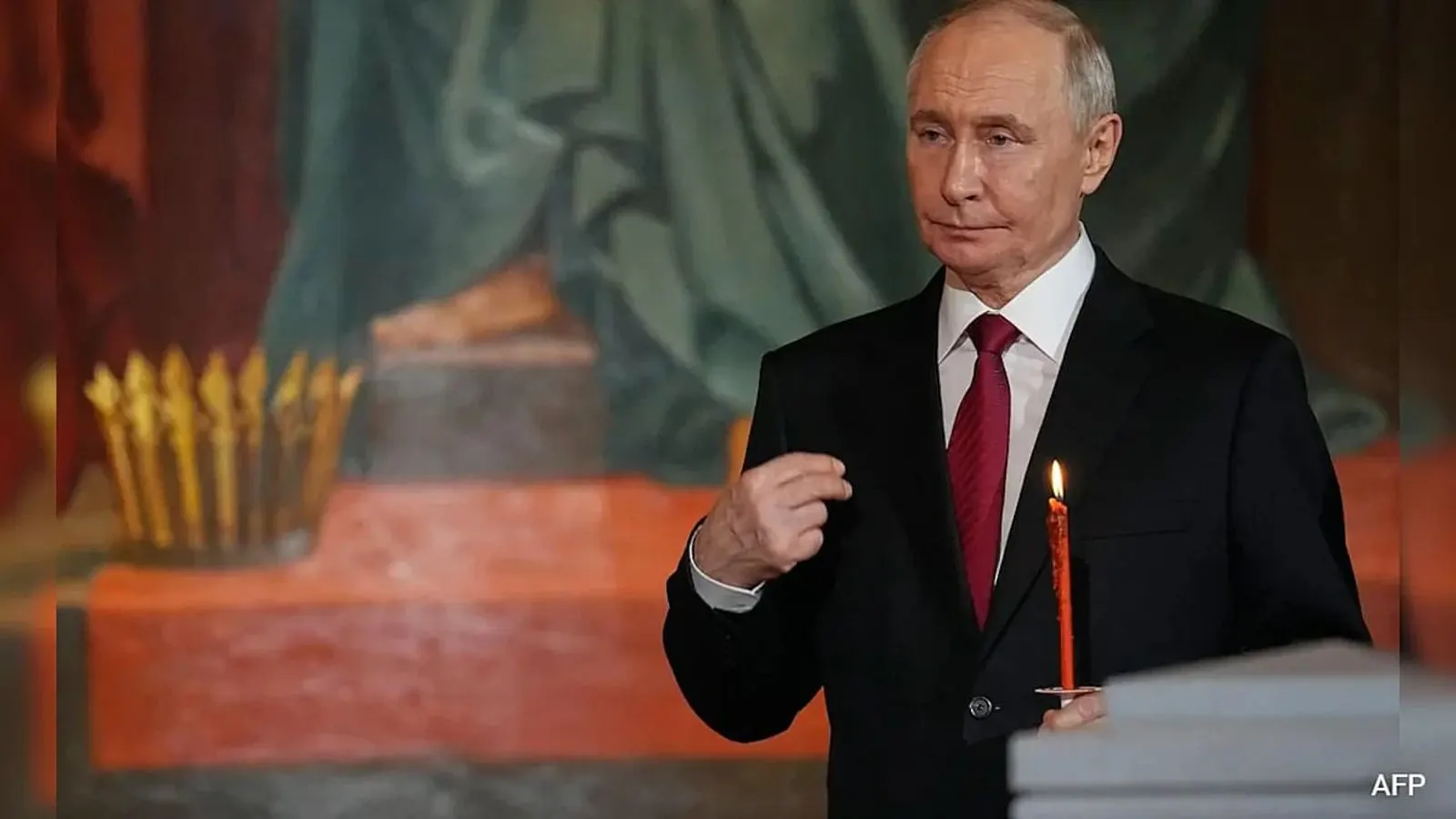
Thirty-কাম years after the historical dissolution of the Soviet Union, the Russian Federation continues to maintain a prominent and formidable standing as a major global power. Amidst a period marked by ongoing international instability and shifting geopolitical dynamics, analysts are closely examining Moscow's overarching standing and its enduring influence across the international stage. As global diplomatic tensions persist, the Kremlin remains a central actor in international relations, navigating complex relationships with traditional Western adversaries and expanding partnerships across the globe.
At the core of its military and strategic deterrence, Russia stands as the sole global power possessing a strategic nuclear arsenal that is fully commensurate with that of the United States. This parity in strategic nuclear capabilities ensures that Moscow retains a critical role in global security architectures and strategic stability discussions, a status that has persisted through decades of shifting diplomatic eras since the end of the Cold War.
Beyond its military might, the Russian Federation holds a deeply entrenched position as a foundational pillar of the global economy through its vast natural resource exports. Moscow functions as a primary, indispensable supplier to international markets for an extensive array of essential commodities, including crude oil, natural gas, coal, wheat, and fertilizers. Furthermore, the country supplies critical components of the global industrial and energy sectors, encompassing uranium, critical minerals, and diamonds.
In the broader geopolitical landscape, Moscow continues to cultivate and leverage multilateral frameworks to project its influence and counter Western pressure. The Kremlin actively engages and collaborates within major international economic and security blocs, notably including the BRICS group of emerging economies, the Shanghai Cooperation Organisation, and strategic alignments with nations such as China.
The intricate diplomatic and strategic interplay involving major global players—including the United States, NATO, and figures such as Vladimir Putin, Donald Trump, and Volodymyr Zelenskyy—continues to shape the trajectory of international affairs. As these multifaceted global dynamics unfold from Moscow to Washington, the enduring economic and military weight of the Russian Federation ensures its continued prominence in world events.