Rooppur Power Plant Eyes November Launch Amid Waste Management Concerns
Bangladesh is set to become the 33rd nation in the nuclear fuel club with electricity priced below 10 taka per unit. However, experts warn that urgent preparations are needed for heavy waste management before commercial generation begins.
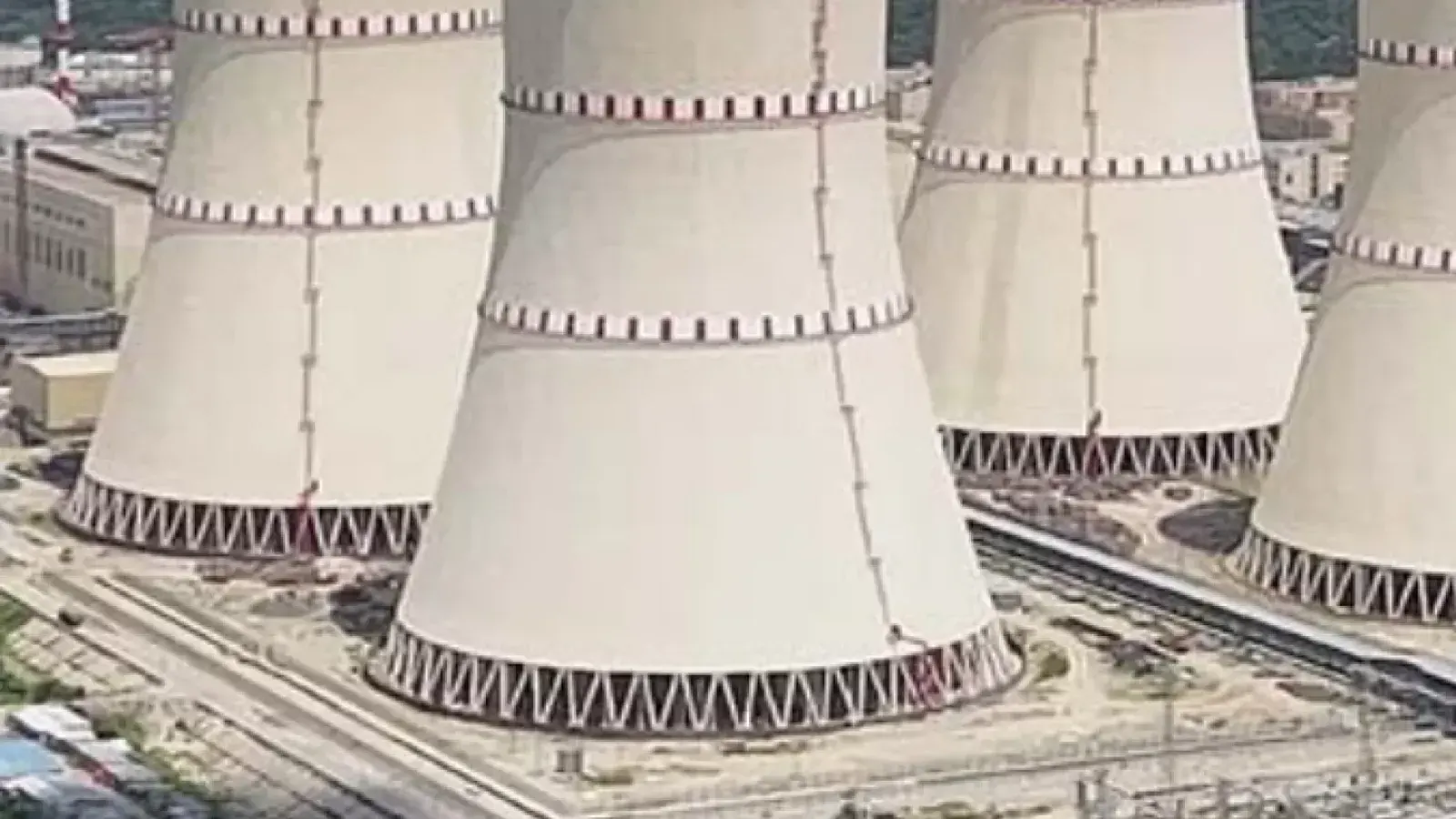
Bangladesh is steadily advancing toward a major milestone in its energy sector, preparing to emerge as the 33rd country globally to enter the prestigious nuclear fuel club. This significant development centers around the Rooppur Nuclear Power Plant, a landmark energy infrastructure project being established in Bangladesh through cooperation between the Bangladesh government and the Russian government. As the nation looks toward a new era of power generation, authorities and energy experts are closely monitoring the timeline for the plant's official launch, which remains a subject of active discussion and technical evaluation.
According to Dr. Md. Kabir Hossain, speaking on 26 August, the plant could potentially commence electricity production by November if the ideal program is strictly followed. However, Dr. Hossain also noted that the timeline is contingent upon final testing phases, cautioning that if the facility encounters any hurdles during the last-minute testing procedures, the scheduled time for going into production might face further delays.
Regarding the financial aspects of the energy generated, official projections indicate that the cost per unit of electricity from the Rooppur facility will be less than 10 taka. For historical context regarding power generation expenses in the country, the Bangladesh Power Development Board (PDB) recorded that the production cost per unit of electricity stood at 4 taka 65 paisa back in 2016. The anticipated pricing for the nuclear power positions it as a competitive option within the national grid once operations officially begin.
Despite the promising production timelines and cost estimates, significant logistical and environmental challenges remain regarding the facility's day-to-day operations. Dr. Md. Shফিকুল Islam, affiliated with the Department of Nuclear Engineering at the University of Dhaka, has raised critical concerns regarding post-production byproduct management. Dr. Islam stated that beyond the issue of spent fuel, the immediate pressing concern is the massive quantity of heavy waste that the power plant will generate on a daily basis once production commences.
Highlighting a major gap in current infrastructure, Dr. Islam pointed out that no storage facility has been constructed thus far to house these hazardous heavy wastes. Consequently, he emphasized that the relevant authorities must take prompt initiatives to establish proper management protocols for these materials. Adding to the complexity of the nuclear lifecycle, it has been confirmed that a final commercial agreement with the Russia government regarding spent fuel management has not yet been finalized.