

Risks of Storing Electronics in Non-Climate-Controlled Garages
A new advisory highlights the hidden dangers of storing sensitive electronics in standard garages across the United States. Experts warn that temperature spikes and humidity can severely damage devices over time.
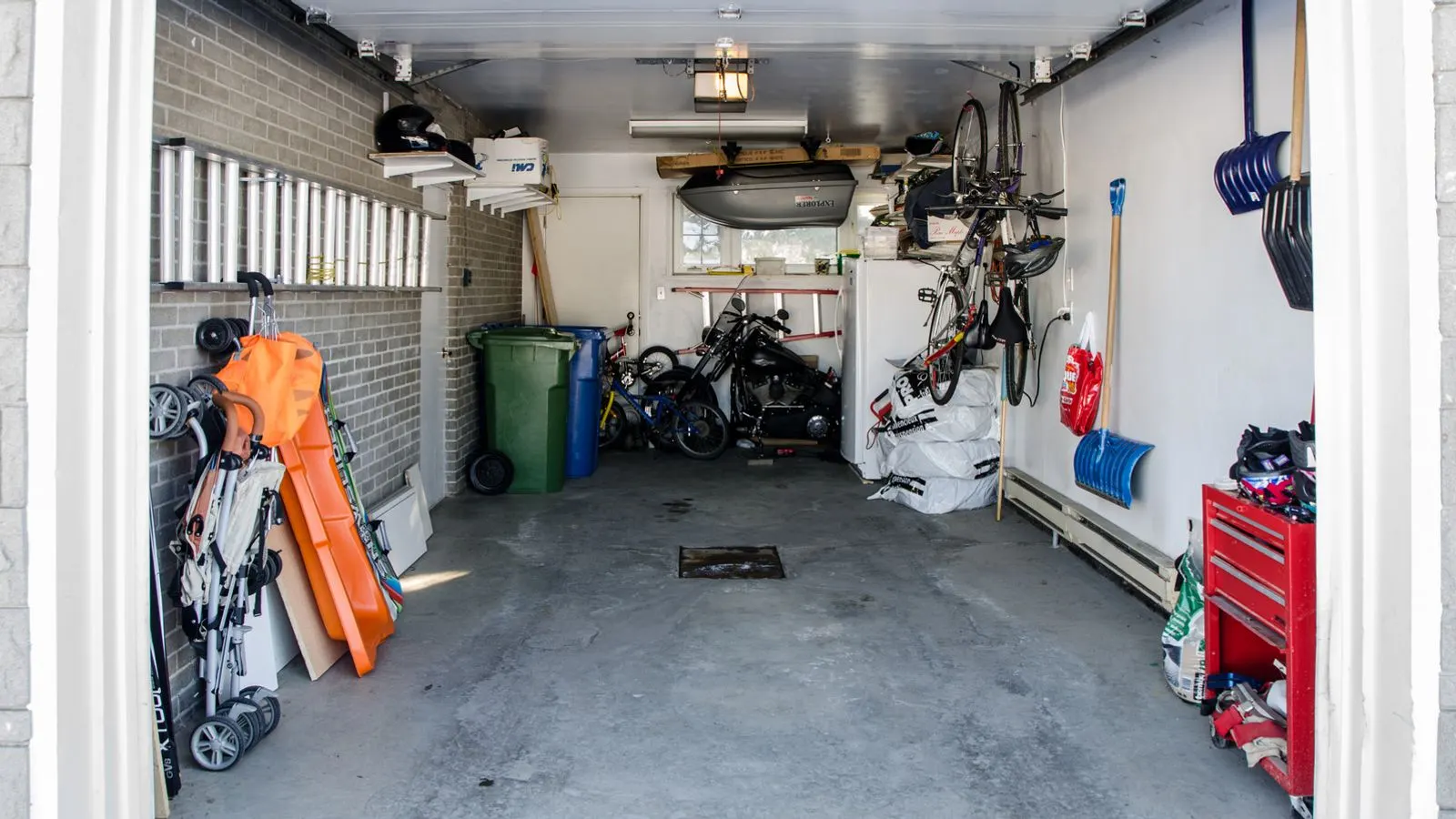
A safety and maintenance advisory has been issued regarding the widespread practice of storing sensitive electronic devices in non-climate-controlled residential spaces. Across the United States, the vast majority of home garages lack proper climate control mechanisms, leaving stored items vulnerable to extreme environmental shifts throughout the year. According to the advisory, these spaces frequently experience a pronounced greenhouse effect, causing indoor garage temperatures to soar significantly higher than the ambient weather outside. Specifically, internal garage environments can easily become 10 to 18 degrees hotter than the outside temperature, creating a hostile setting for delicate microprocessors and internal hardware.
Beyond intense heat, humidity poses a severe and persistent threat to electronic equipment kept in these conditions. High levels of moisture in the air can corrode crucial electrical contacts and delicate solder joints inside the devices. Furthermore, significant temperature and humidity fluctuations can create internal condensation, allowing moisture to form directly inside the electronics and potentially causing catastrophic short circuits or permanent component failure upon next use.
Major technology manufacturers have established specific guidelines to mitigate these environmental hazards when storing devices long-term. For instance, tech giant Apple explicitly recommends storing devices such as a MacBook in a cool location. Additionally, Apple advises ensuring that the device's battery is maintained at 50 percent charge before putting it into storage, which helps preserve overall battery health and prevents deep discharge issues.
The advisory also highlights critical precautions regarding the transition of electronics between drastically different temperatures. Property owners are strongly cautioned that electronics should never be brought inside from the cold and plugged into a power source immediately. Doing so can trigger rapid internal condensation as the frozen device warms up, risking immediate electrical damage. Instead, users must always give their equipment adequate time to naturally return to room temperature before connecting any chargers or turning them on.