Rising Satellite Numbers Spark Growing Space Debris and Collision Risks
A surge in low-Earth orbit satellites brings mounting concerns over safety and collision risks. Experts warn of crowded skies as thousands of new craft are planned.
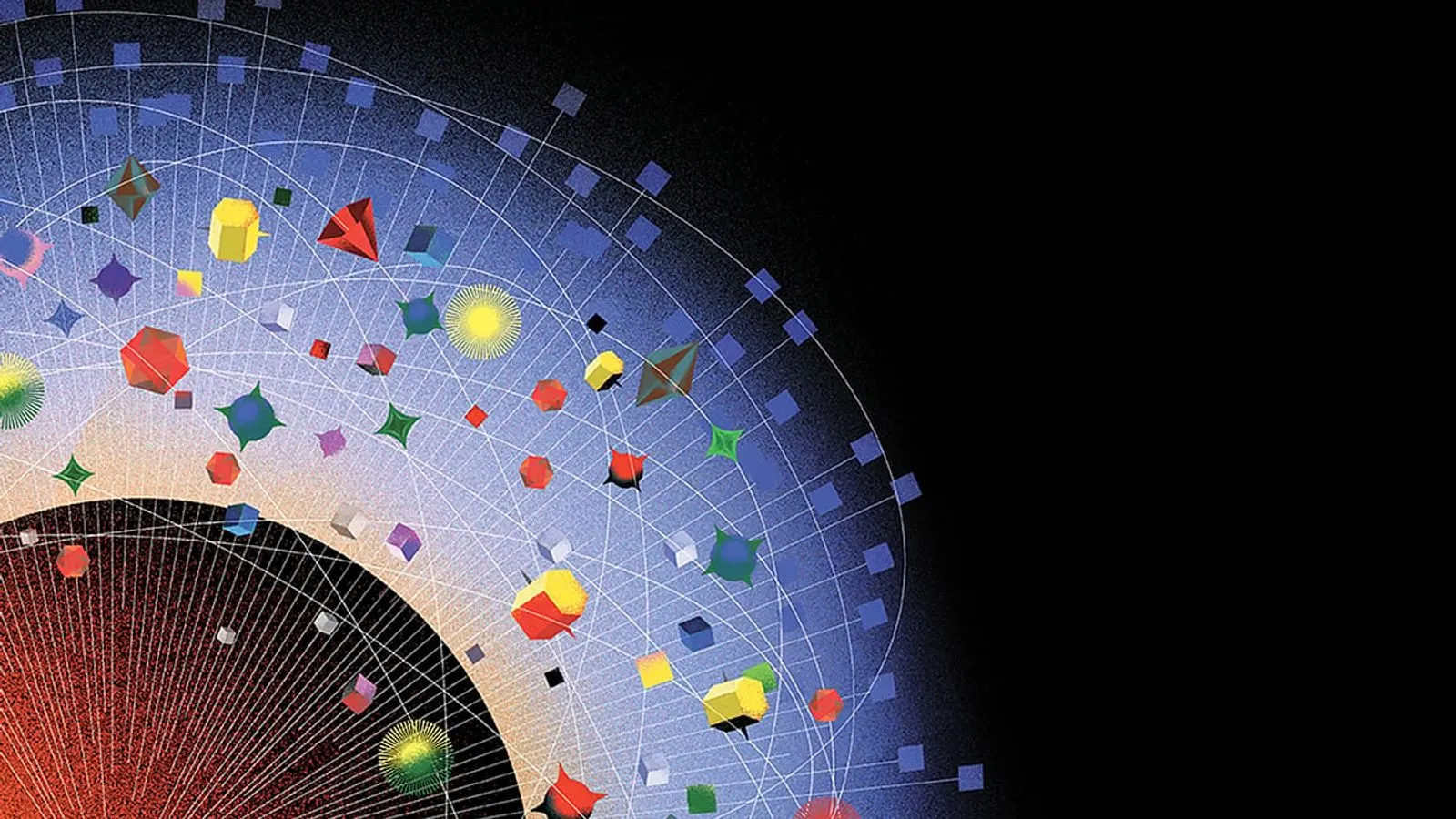
The rapid expansion of artificial satellites in low-Earth orbit has raised serious concerns regarding safety, orbital debris, and the growing risk of collisions in space. As the number of spacecraft circling the Earth continues to climb at an unprecedented pace, scientists and international observers are closely examining the long-term sustainability of orbital space operations.
The modern era of mega-constellations largely began in May 2019, when SpaceX launched its Starlink satellite network by sending 60 satellites into orbit in a single mission. Expansion has since accelerated dramatically. By March of this year, the number of active satellites operated by SpaceX alone surpassed the 10,000 mark, while their global internet customer base has now grown to exceed one million users worldwide.
The sheer scale of future deployments dwarfs current numbers. Across the global space industry, there are massive plans to send approximately two million new satellites into orbit. Recent filings and national ambitions highlight this massive trajectory: in 2026 alone, the government of China requested approval for 200,000 new satellites, while United States-based Starcloud sought 88,000 and Blue Origin requested 51,000.
These developments have heightened worries about physical safety both in orbit and on the ground. A report from February 2025 revealed that a burning, 2.5-kilogram fragment originating from a Starlink satellite plummeted from the sky and landed directly on a farmer's property in rural Saskatchewan, Canada. The incident underscored the tangible physical risks posed by re-entering space debris.
Quantifying the capacity limits of low-Earth orbit has become a critical area of study for researchers in Canada, the United States, and beyond. Currently, approximately 15,000 satellites are actively orbiting the Earth. A 2022 study estimated that it might be physically possible to safely place roughly 12.6 million spacecraft within an altitude range of 200 to 900 kilometers. More recent analysis conducted in 2024 suggests that this operational threshold could realistically range anywhere from 10 million to 100 million total objects.
Experts monitoring these developments include Samantha Lawler, an astronomer who lives in a rural community in Canada and works at the University of Regina. Other prominent figures and organizations tracking the crisis include Giovanni Laveszi, Hugh Lewis from the University of Birmingham, Elon Musk, Ruth Pritchard-Kelly, and Stijn Lemmens from the European Space Agency, alongside academic institutions like the Massachusetts Institute of Technology (MIT). Historical precedents also weigh heavily on researchers; the only major collision between an American spacecraft and a defunct Russian satellite occurred back in 2009, serving as a stark reminder of the destructive potential of orbital crowding.