Rare Roloway Monkey Born at Chester Zoo After Pioneering Foot Surgery
A critically endangered roloway monkey has given birth to a daughter named Lagertha at Chester Zoo. The birth follows a complex and pioneering foot surgery that saved the mother from amputation.
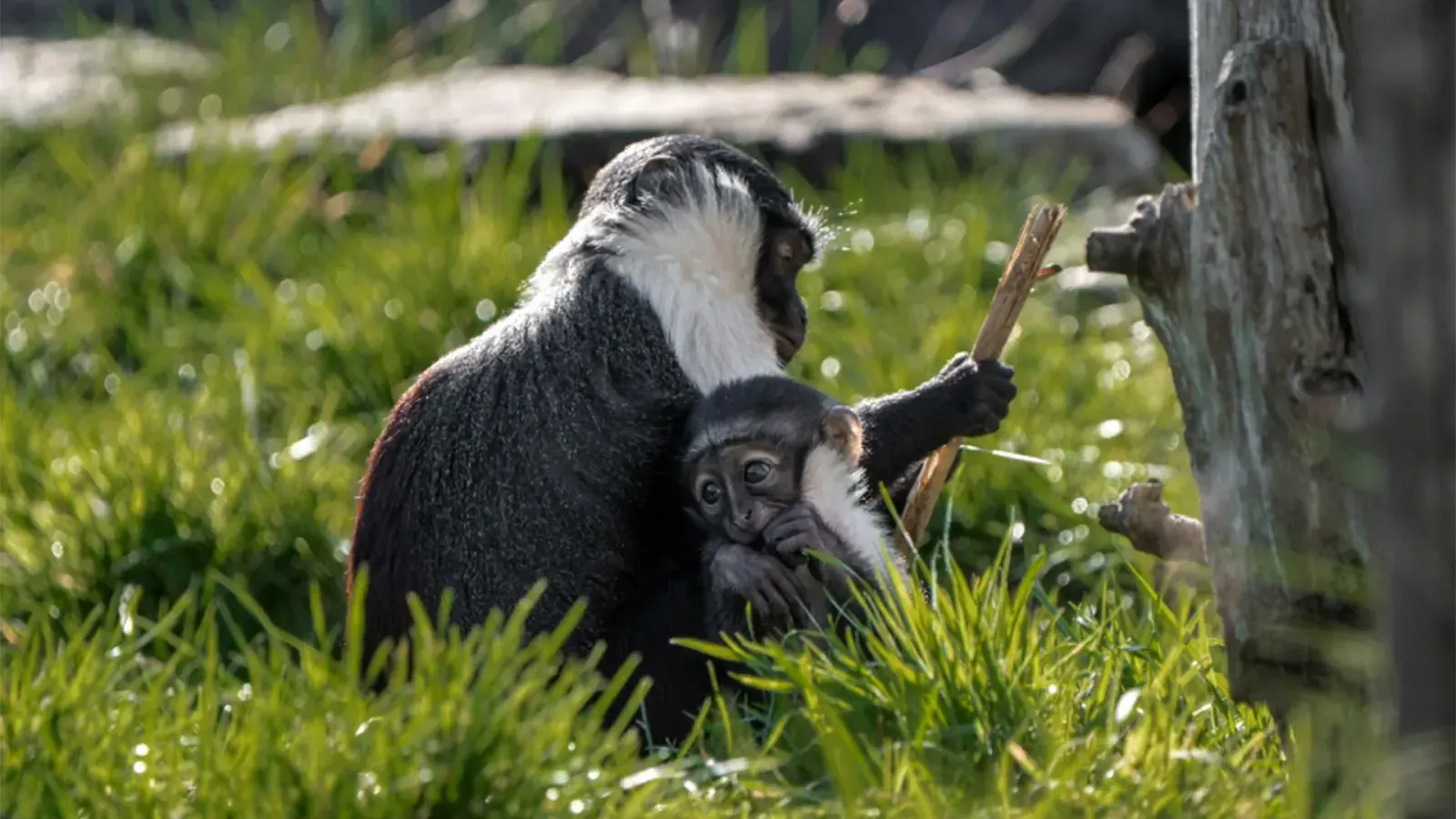
A critically endangered roloway monkey named Masaya has given birth to a daughter named Lagertha at Chester Zoo in the United Kingdom. The joyous arrival in 2025 follows a highly unusual and complex medical intervention that ultimately saved the mother's foot from amputation, allowing her to successfully carry and care for her newborn offspring.
Prior to the birth, 15-year-old Masaya underwent a complex surgery on her foot performed by dedicated Chester Zoo veterinarians alongside expert surgeons from the University of Liverpool's Small Animal Teaching Hospital. Charlotte Bentley, reflecting on the logistical challenges of the unusual patient transfer, noted that it is not every day a monkey is brought to a vet school, requiring the team to bring everything needed from anesthesia equipment to medications and blankets.
Following an initial medical scan, the team determined that an operation was the necessary path forward. Rachel Burrow, speaking about the high-stakes procedure, explained that this was the absolute last chance to save Masaya's foot before amputation. Burrow added that working with primates differs entirely from treating typical patients like cats and dogs, calling it a real privilege to care for such a rare animal and expressing delight that the surgery succeeded, leaving Masaya comfortable, active, and using her limb well.
Zoe Edwards from Chester Zoo emphasized the critical importance of the successful treatment and subsequent birth. Edwards stated that the fact Masaya's foot healed so well is a huge relief, noting that an amputation would have left serious questions about whether she could hold her offspring or continue with normal behaviors. Edwards further praised the mother, describing Masaya as a very experienced parent who is handling the baby magnificently, while observing that little Lagertha is already curious about the roloway monkey habitat and inquisitive about the staff.
Highlighting the broader conservation significance of the birth, Edwards pointed out that Chester Zoo is one of only two places in the UK where roloway monkeys can be found. Masaya is critically important not just to her immediate family, but to her entire species, particularly given that there are only a few breeding females in zoos across Europe. According to the International Union for Conservation of Nature, fewer than two thousand roloway monkeys remain in the wild in their native habitats of Ghana and the Ivory Coast.