

Oxford Researchers Discover Bees Can Regulate Food Intake Using Amino Acids
University of Oxford researchers have discovered that bees can regulate their food intake based on the balance of essential amino acids in pollen. The findings highlight the complex nutritional challenges bees face when foraging for food.
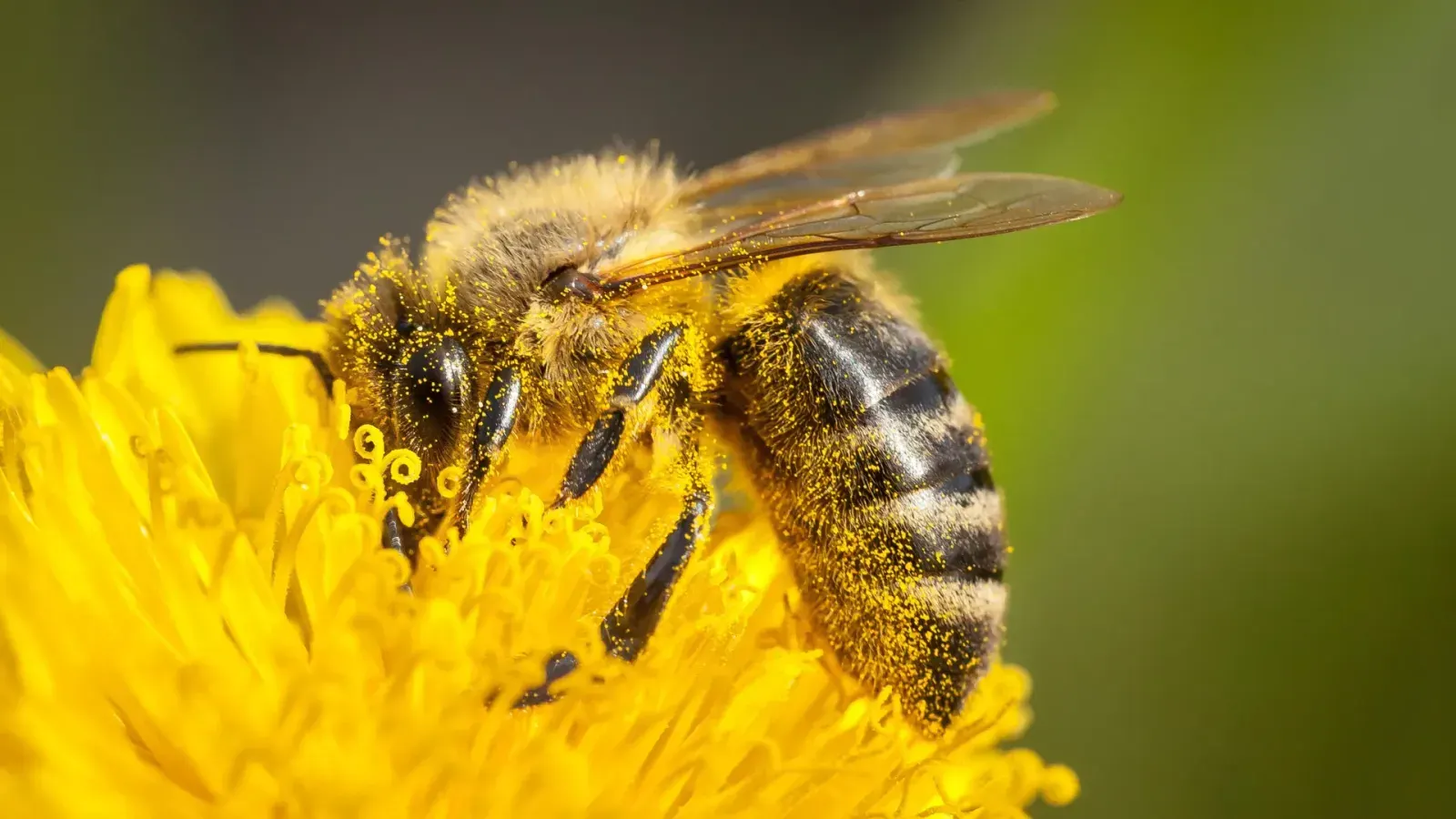
A team of researchers from the University of Oxford, alongside colleagues from other academic institutions, has made a significant discovery regarding how bees manage their nutritional intake. The scientific study reveals that bees possess the remarkable ability to alter how much food they consume by assessing the specific balance of essential amino acids present in their food sources.
The research sheds light on the natural composition of pollen, which does not always match the ideal nutrient mix required by bees for their optimal growth, survival, and reproduction. Because pollen functions as the male gamete of plants rather than being produced solely as a reward for pollinators unlike nectar, a distinct conflict of interest arises between the plant and the pollinator, according to the findings.
Professor Geraldine Wright elaborated on this evolutionary dynamic, stating: "Although pollen is often assumed to be a near-perfect food for bees, it is the male gamete of plants and, unlike nectar, it is rarely produced solely as a reward for pollinators. This creates a conflict of interest between the plant and the pollinator." The study specifically demonstrated that when bees encounter high levels of the essential amino acid histidine, they respond by reducing their overall food intake.
To cope with these nutritional imbalances in raw pollen, honeybee colonies have developed sophisticated processing methods. The colonies actively process raw pollen into substances known as bee bread and royal jelly, which ultimately provide a much more balanced essential amino acid profile for the hive members.
Building on these insights, the researchers emphasize that conservation and agricultural strategies must adapt to better support pollinator health across different landscapes. Professor Geraldine Wright highlighted the practical implications of the study, noting: "Our results suggest that planting for pollinators should not only focus on providing flowers throughout the season, but also on ensuring a diversity of pollen sources. A varied diet may be essential for bees to obtain the right balance of nutrients."