
New Research Examines Impact of Kaptai Lake and Swedish Rivers on Carbon Cycle
Recent international research published in 2025 investigates the global carbon cycle by focusing on Kaptai Lake in Bangladesh and aquatic systems in Sweden. The studies highlight the complex relationship between water surface area, retention time, and carbon emissions.
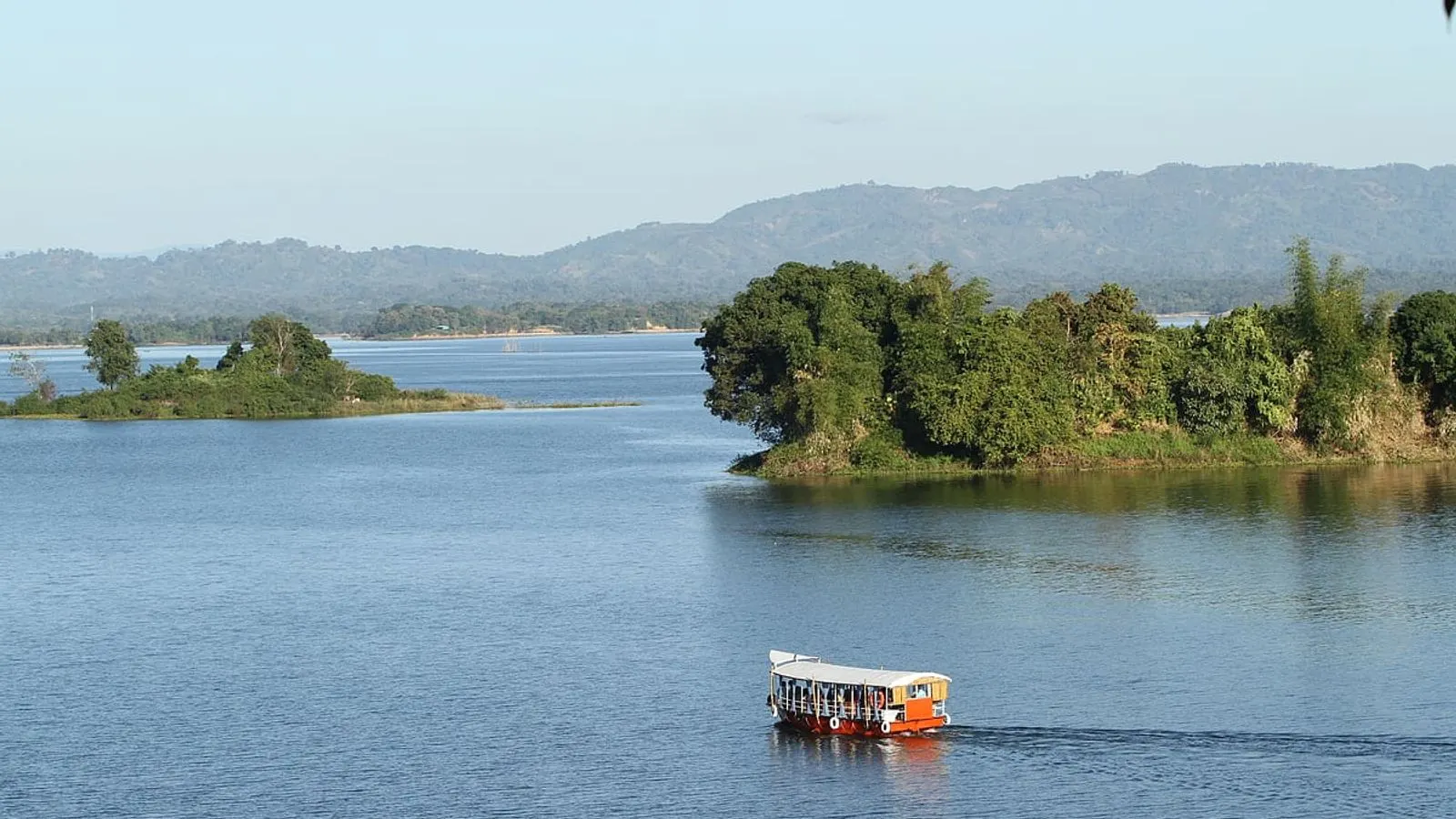
A series of recent scientific studies published in 2025 have shed new light on the impact of lakes on the global carbon cycle, drawing specific focus to Kaptai Lake in Bangladesh alongside river systems in Sweden. This collaborative international research effort involves contributions from researchers Fredrik Alriksson, Suprio Chakma, Rabiul Hasan Bandhan, and Mobile Raihanul Haque, working alongside academic institutions such as Umeå University.
The findings of these investigations have been disseminated through prominent academic platforms, including a study published in the journal PLOS ONE by researchers from Sweden's Umeå University. Additionally, a dedicated study focusing specifically on Kaptai Lake was published in 2025 within Science Direct, a premier database managed by the academic publisher Elsevier.
Historical context surrounding one of the primary study sites reveals that Kaptai Lake was originally constructed between the years 1956 and 1961 by building a dam across the Karnaphuli River. This artificial creation has since become a vital focal point for ecological and environmental research regarding how inland water bodies process organic matter and interact with atmospheric carbon.
Data gathered during the research underscores significant quantitative relationships regarding water dynamics and carbon release. According to the findings, when the total surface area of lakes along the path of rivers and streams increases by a factor of 10, carbon emissions from those water bodies increase by approximately 1.8 times. Furthermore, a tenfold increase in water surface area corresponds to an expansion in water retention time of roughly 35 times.
The research noted wide variations in how long water remains within these aquatic systems. Specifically, the water retention time was recorded at a brief 42 minutes in some segments, while in other pathways, water remained trapped for as long as 29 years. Within Kaptai Lake itself, sediment analysis revealed that the concentration of organic carbon deposited at the bottom of the lake ranges from 2.23 percent to 4.30 percent.