Netflix Dolby Vision Streaming: Requirements and Premium Features
Netflix offers advanced Dolby Vision streaming for subscribers utilizing its top-tier plan. Viewers must meet specific subscription and internet speed requirements to enjoy this enhanced visual format.
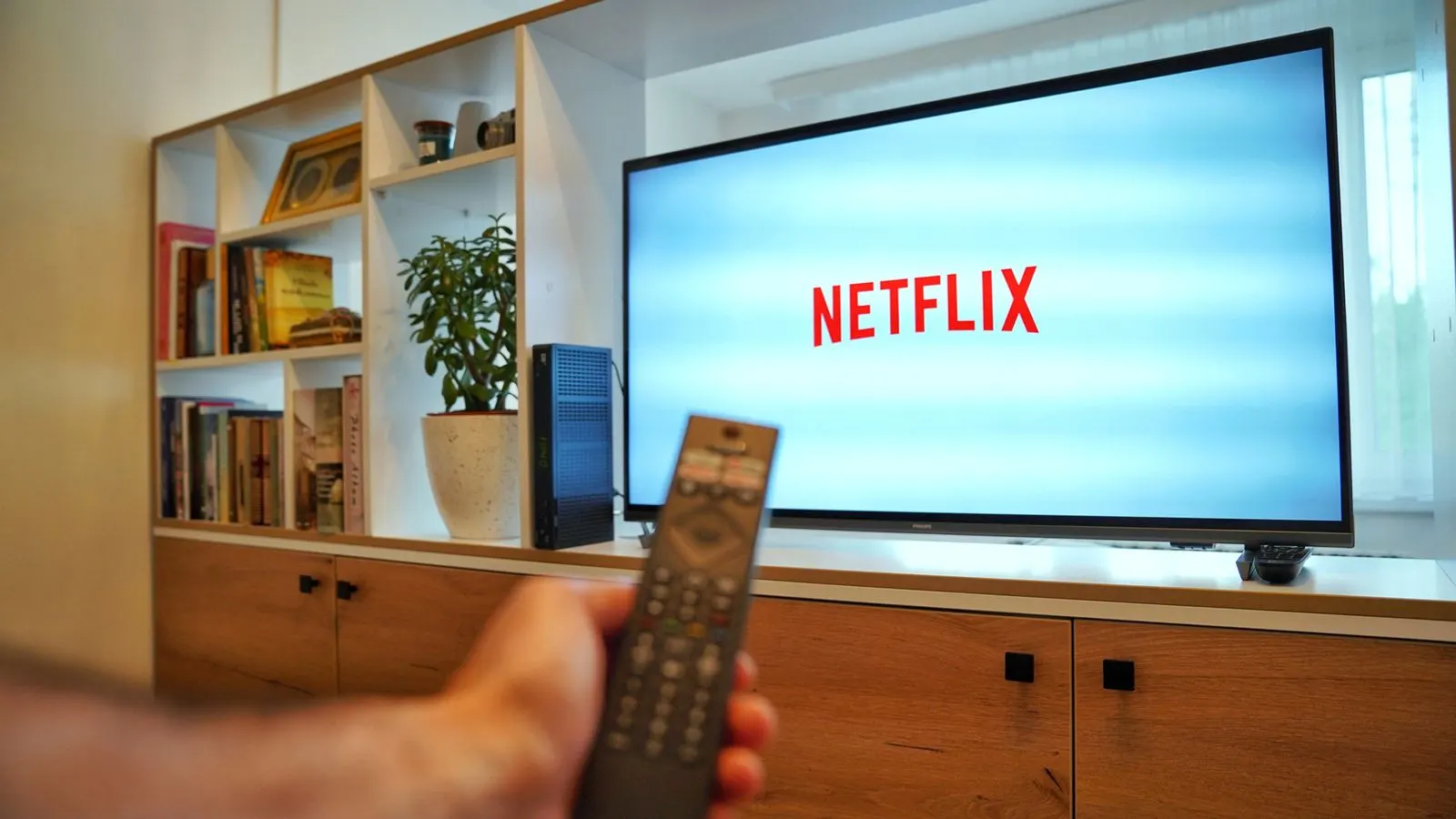
In the evolving landscape of high-definition home entertainment, streaming platforms continuously update their technical capabilities to deliver superior visual experiences to audiences worldwide. Netflix, one of the leading global streaming services, incorporates advanced dynamic metadata technologies to enhance the picture quality of its extensive catalog. Alongside these developments, the platform also added support for HDR10+ streaming in March 2025, broadening the compatibility range for various modern television displays.
The foundation of this advanced visual format traces back to Dolby Laboratories, which originally introduced Dolby Vision to the consumer electronics market in 2014. Since its inception, this proprietary HDR technology has been adopted by numerous hardware manufacturers and content creators to optimize brightness, contrast, and color depth on a scene-by-scene or even frame-by-frame basis, providing a cinematic experience directly within the living room.
To access and enjoy Netflix content specifically mastered and streamed in Dolby Vision, subscribers must ensure they are enrolled in the platform's highest-tier offering. Watching Netflix content in Dolby Vision requires a Premium subscription, which is currently priced at $26.99 per month. This subscription tier unlocks the highest available video resolutions and audio formats provided by the streaming service for compatible titles.
In addition to maintaining the correct subscription tier, technical prerequisites regarding hardware and network infrastructure must be satisfied for an uninterrupted viewing experience. Netflix and Dolby recommend an internet connection of at least 15 megabits per second for streaming Dolby Vision successfully. Meeting this minimum bandwidth threshold ensures that the high-bitrate video streams containing the complex dynamic metadata of Dolby Vision are delivered smoothly without buffering or degradation in visual fidelity.