
Nepal and Tibet Border Region Hit by Devastating Glacial Collapse Floods
A catastrophic glacial collapse triggered devastating floods and landslides across the Nepal and Tibet border region, leaving at least 359 people dead. Rescue operations and international agencies continue searching for roughly one thousand missing individuals.
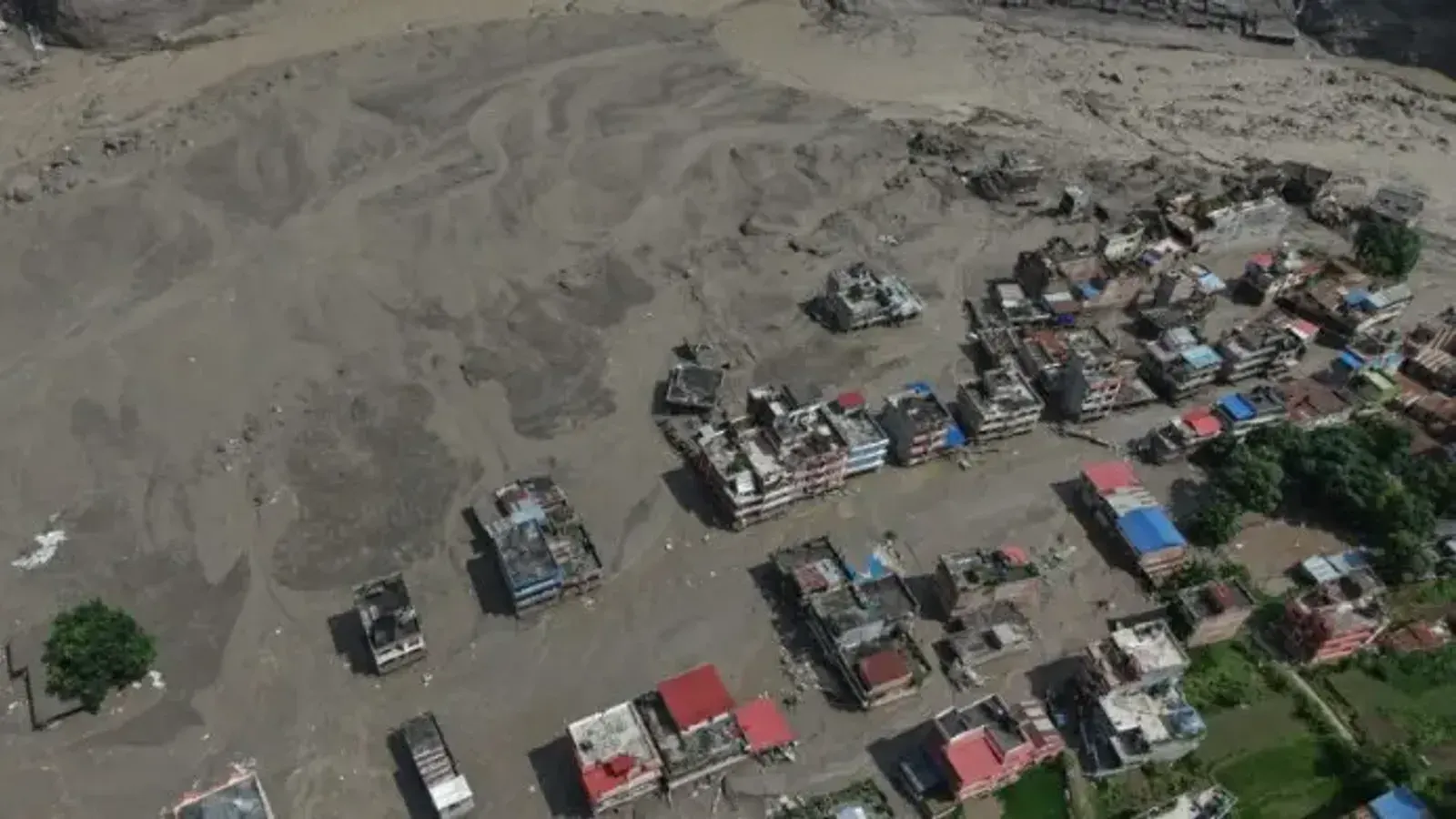
A catastrophic natural disaster struck the border region between Nepal and Tibet on August 27, 2027, when a sudden glacial collapse triggered massive and devastating floods and landslides. According to the confirmed facts of the event, the initial analysis conducted by the US Geological Survey (USGS) indicated that the primary cause of this widespread destruction was a major glacial collapse in the high-altitude terrain. The cascading effects of the disaster quickly overwhelmed the local geography, unleashing torrents of water mixed with thick mud and heavy debris that surged violently down the river paths of the Bhotekoshi and Trishuli rivers, covering a destructive stretch of 170 kilometers.
In the immediate aftermath of the disaster, the human toll has been severe. Official reports confirm that the death toll has reached at least 359 people in the affected regions, with an additional three deaths specifically reported in Tibet. Beyond those who have tragically lost their lives, the crisis has left approximately one thousand people still missing. The extensive list of missing individuals includes 579 Nepali and foreign tourists, alongside roughly 100 Chinese nationals. Local authorities and emergency response teams have been working tirelessly in the disaster zones to account for everyone affected by the sudden deluge.
Amidst the widespread devastation and ongoing search efforts, international and local organizations are mobilizing resources to track down survivors and assess the damage. Agencies such as the Nepal Police, the Nepal Disaster Management Authority, the Ministry of Foreign Affairs of China, the Nepal Tourism Board, and Himalayan Glacier are actively involved in the response. Sanket Pandey, speaking on behalf of the rescue operations, provided an update on the situation, stating that their teams are actively searching hospitals and medical facilities where injured and affected people are being taken for treatment. Meanwhile, Tasrif, a survivor of the ordeal, expressed relief amidst the chaos by stating, 'By the grace of Allah, I am safe.'
The international scope of the missing persons list highlights the global impact of the disaster on travelers and workers in the region. Among the missing are 558 individuals in Tibet, which includes 260 foreign nationals. Furthermore, specific country breakdowns show that 177 individuals from India, 63 from the United States, 34 from Australia, 33 from the United Kingdom, and 25 from Canada are currently unaccounted for. In terms of rescue developments, authorities have successfully located 100 Indian tourists and 25 Chinese workers who were previously feared trapped or missing in the hazardous terrain.
Experts analyzing the mechanics of the catastrophe have begun to contextualize the sheer scale of the environmental trigger. Ruth Gamble described the event as an 'internal tsunami,' capturing the destructive velocity and volume of the water and debris that roared down the river valleys following the initial collapse. As rescue workers navigate the blocked roads and damaged infrastructure along the 170-kilometer path of the Bhotekoshi and Trishuli river systems, the combined efforts of local authorities and international monitors remain focused on recovering the missing and providing urgent medical aid to the survivors.