
NASA Readies Nancy Grace Roman Space Telescope for August Launch
NASA has announced that the Nancy Grace Roman Space Telescope is fully prepared for its scheduled launch on August 30. The upcoming mission aims to expand humanity's understanding of the cosmos by building upon the capabilities of previous observatories.
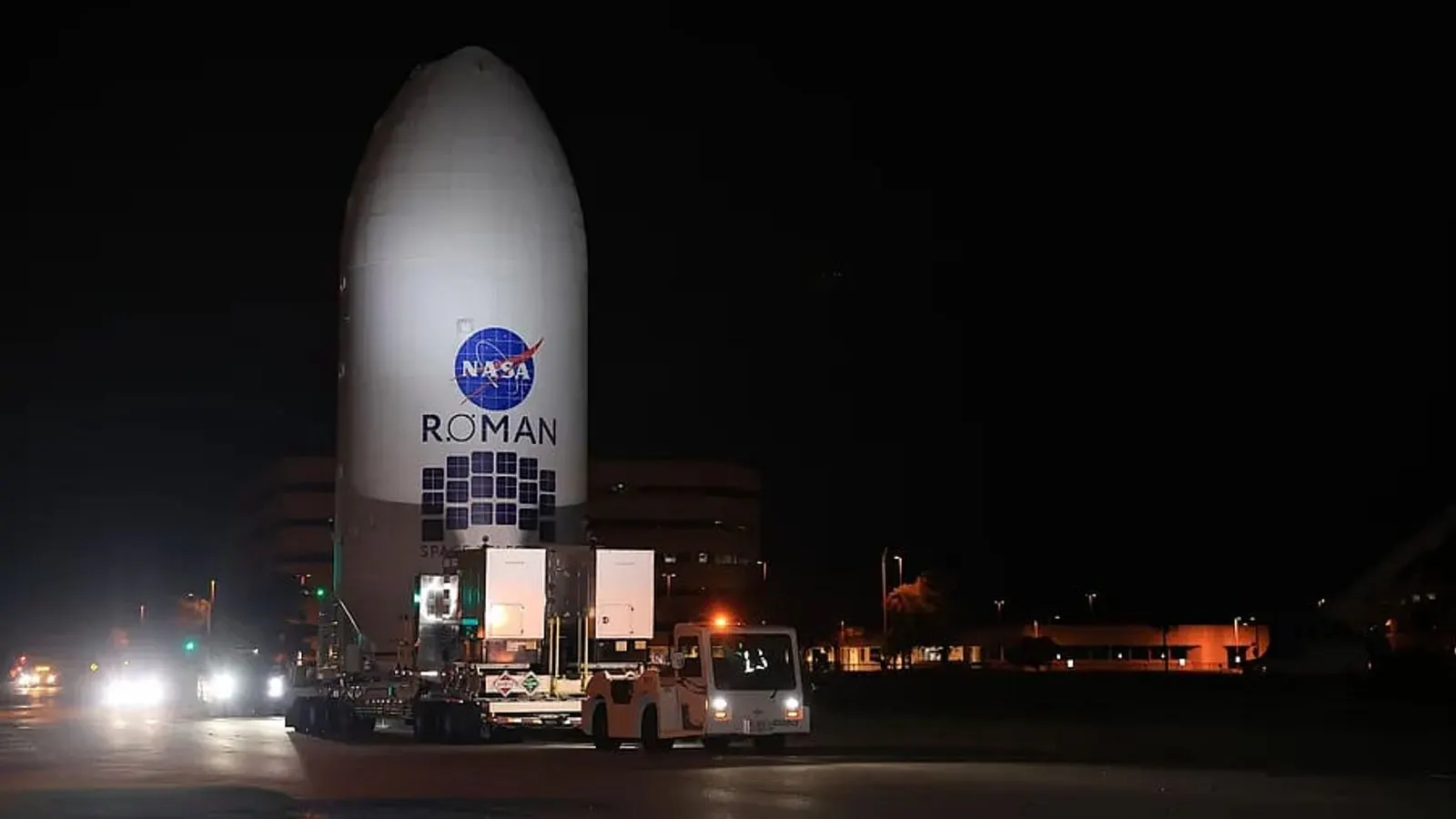
The United States space agency NASA is preparing for the highly anticipated launch of the Nancy Grace Roman Space Telescope. According to the mission schedule, everything is currently in place for the spacecraft to lift off on August 30, provided that all pre-launch conditions remain favorable and technical checks are successfully completed.
The newly developed Roman Space Telescope boasts a significantly enhanced observation capacity when compared to its predecessors. Most notably, the technological capabilities of the Roman telescope allow for a field of view that is one hundred times larger than that of the renowned Hubble Space Telescope, enabling astronomers to survey vast expanses of the universe with unprecedented efficiency.
Scientific expectations for the mission are remarkably high, particularly in the field of exoplanet research. Astronomers point out that while human exploration and detection methods have already identified more than 6,300 planets outside our solar system to date, the upcoming launch is projected to dramatically accelerate these discoveries.
Experts project that the mission will uncover approximately 100,000 new exoplanets as it scans the distant reaches of space. This massive influx of potential new worlds is expected to provide researchers with invaluable data regarding planetary formation and the distribution of planetary systems throughout the galaxy.
Highlighting the unpredictable and revolutionary nature of astronomical discovery, Julie McEnery shared her perspective on what the mission might uncover during its operational lifetime. Reflecting on the legacy of past observatories, she stated that history tells us the most exciting things about any new telescope are the surprises—things we were not even looking for in the first place, and that the Roman telescope will certainly follow this pattern.