Myanmar Claims Progress on Rohingya Verification as Bangladesh Rejects Figures
Myanmar stated it has verified hundreds of thousands of names for repatriation nearly nine years after the 2017 exodus. However, Bangladesh strongly rejected the claims while hosting more than 1.2 million displaced refugees amid declining international funding.
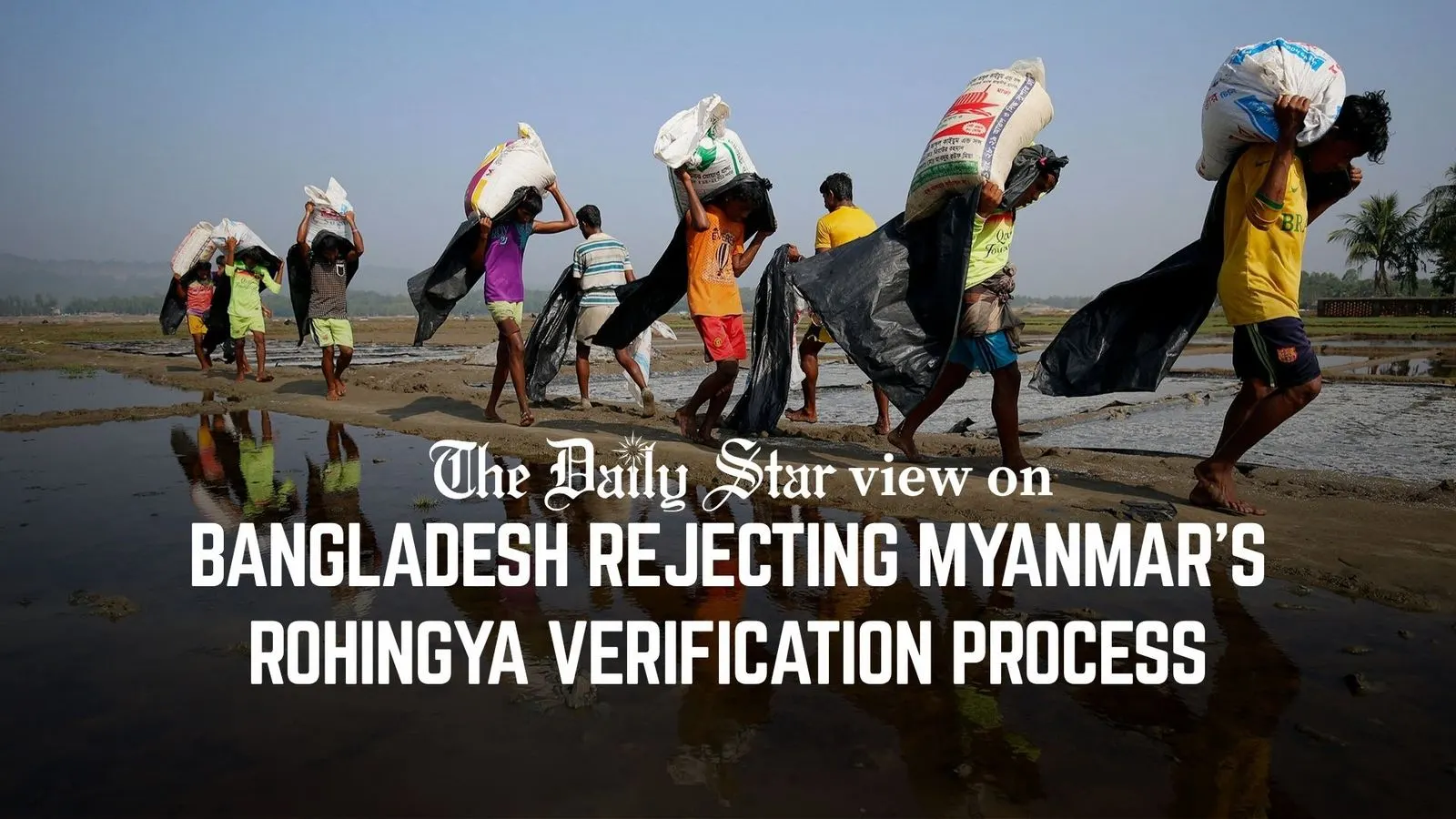
Nearly nine years after the devastating military crackdown that forced a massive displacement across the border, Myanmar and Bangladesh remain deeply divided over the verification and potential repatriation of the Rohingya population. According to official data released on August 16, 2026, Bangladesh previously submitted a comprehensive list containing 8,28,824 names to Myanmar authorities for the purpose of identity verification and clearance. This extensive list represents a fraction of the immense population currently sheltering abroad, as Bangladesh continues to host more than 12 lakh Rohingyas within its congested camps and settlements.
In response to the submitted documentation, Myanmar's Ministry of Foreign Affairs stated that it had successfully verified 4,26,545 individuals as of July 31. Furthermore, the ministry reported that out of those processed, 3,08,797 persons had been specifically identified as former residents of Rakhine State. Alongside these figures, Myanmar's Ministry of Foreign Affairs provided its own demographic assessment of the crisis, stating that more than 5,40,000 people crossed the international border into Bangladesh following the historic military crackdown, while asserting that more than 2,00,000 individuals remained behind in northern Rakhine.
Despite the release of these specific verification milestones by Naypyidaw, Bangladesh swiftly and firmly rejected Myanmar's claims regarding the repatriation process. The stark disagreement between the neighboring governments underscores the ongoing diplomatic stalemate that has paralyzed efforts to resolve the humanitarian crisis safely and voluntarily. While Myanmar attempts to quantify the returnees through its internal verification mechanisms, the government in Dhaka maintains that the conditions and figures presented do not align with the reality on the ground or satisfy the necessary criteria for safe repatriation.
The broader historical context of the exodus has been thoroughly documented by international bodies, including the UN Independent International Fact-Finding Mission on Myanmar, which recorded the displacement of more than 700,000 Rohingya following the violent military operations launched in August 2017. International judicial bodies such as the International Court of Justice and the International Criminal Court have also scrutinized the events surrounding the mass displacement, keeping global attention focused on accountability and the protection of the displaced minority.
Meanwhile, the protracted nature of the crisis has created severe logistical and financial strains for the host nation. Humanitarian operations in the camps are currently grappling with a crisis of their own, as international funding for the refugee camps has declined sharply over recent years. With more than 12 lakh Rohingyas depending on humanitarian assistance for their daily survival, the combination of stalled repatriation talks, rejected verification data, and shrinking global financial support leaves the vulnerable refugee population in an increasingly precarious position.