
Microalgae Bloom Shuts Down Five Major Desalination Plants in Israel
An unprecedented microalgae bloom in the Mediterranean Sea has forced the temporary shutdown of five major saltwater desalination plants in Israel. Experts note the rare environmental event highlights vulnerabilities in the nation's critical water infrastructure.
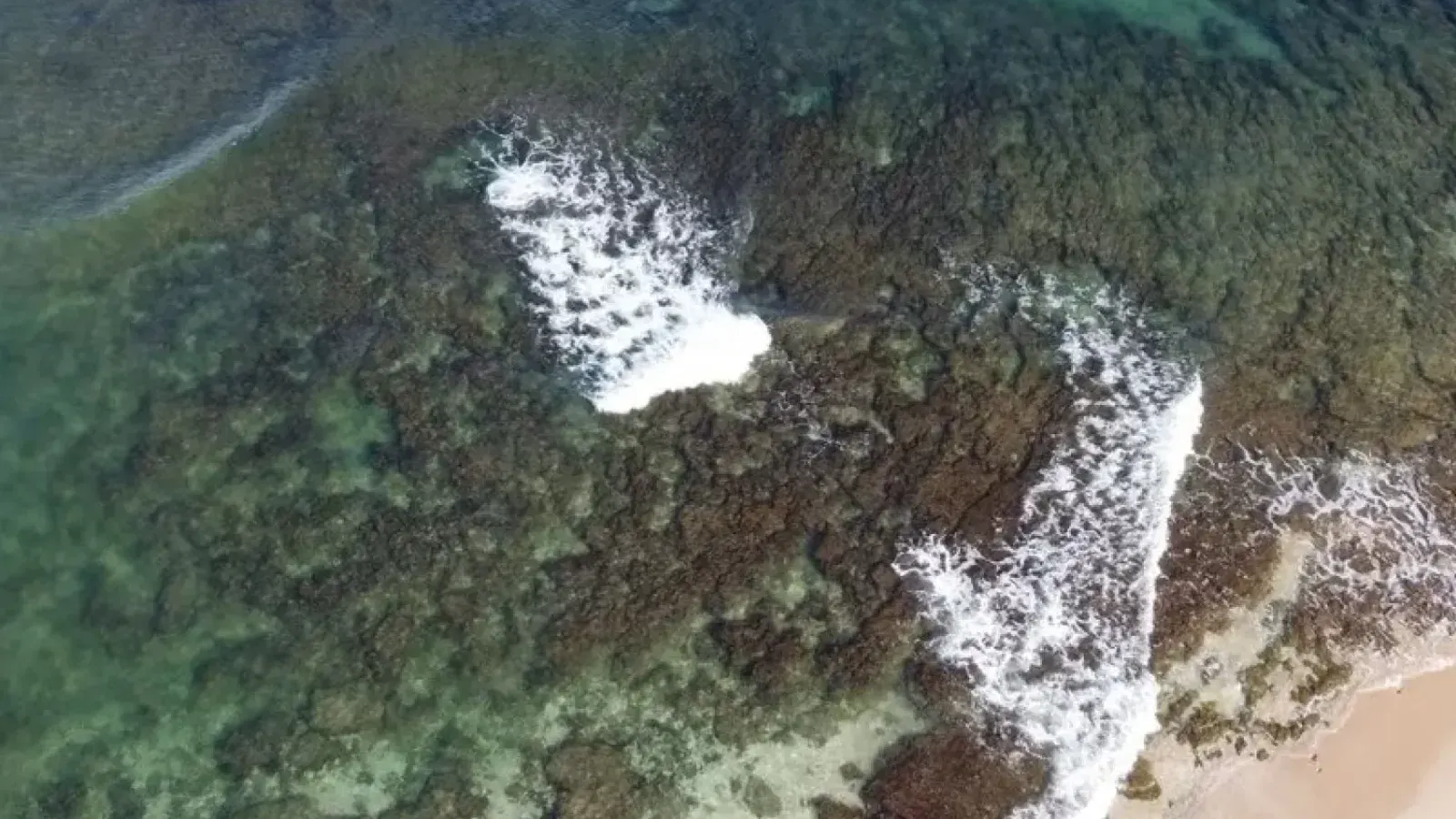
An extraordinary and unprecedented natural event in the Mediterranean Sea has forced the temporary shutdown of five major saltwater desalination plants in Israel. According to the available verified information, the massive microalgae bloom spread across a distance of at least 12 miles along the coastline, creating a dense layer that severely impacted coastal water intake facilities.
The scale of the disruption was notably severe, with five out of the country's six major facilities shutting down by Sunday. This widespread closure places immense pressure on a nation that relies heavily on advanced water purification technology to sustain its population and daily municipal operations.
Despite the alarming scale of the temporary shutdowns, officials confirmed that the incident caused virtually no drinking water shortages in about 99 percent of cases. This resilience was maintained even though Israel depends on seawater desalination for at least 65 percent of its overall drinking water supply, a testament to the robust management by Mekorot, the national water company of Israel.
The environmental phenomenon has drawn significant attention from researchers and industry specialists who have monitored coastal waters for two decades. Experts pointed out that the sea temperature has risen to 30 degrees Celsius or higher, creating conditions that fostered the massive proliferation of microalgae.
Lior Gutman described the occurrence by stating that such an incident has never happened before in Israel, calling it an extremely rare event. Echoing these concerns, Edo Bar-Ziv stated that he had never seen anything like this on such a large scale, and added regarding the implications that it was much more worrying.
Furthermore, Michael Christopher Low noted that the event has generated substantial concern, alongside growing criticism that the water system remains overly vulnerable to major disruptions. As scientists and engineers continue to analyze the factors behind the bloom, the situation serves as a stark reminder of the environmental challenges facing coastal infrastructure in the region.