

Jeannette Rankin Elected to US Congress Before Women Won Suffrage
Jeannette Rankin made history when she was elected to the United States Congress from Montana before American women secured the constitutional right to vote. As a Republican, she took her oath of office in April 1917 and later became the only member of Congress to vote against US participation in both world wars.
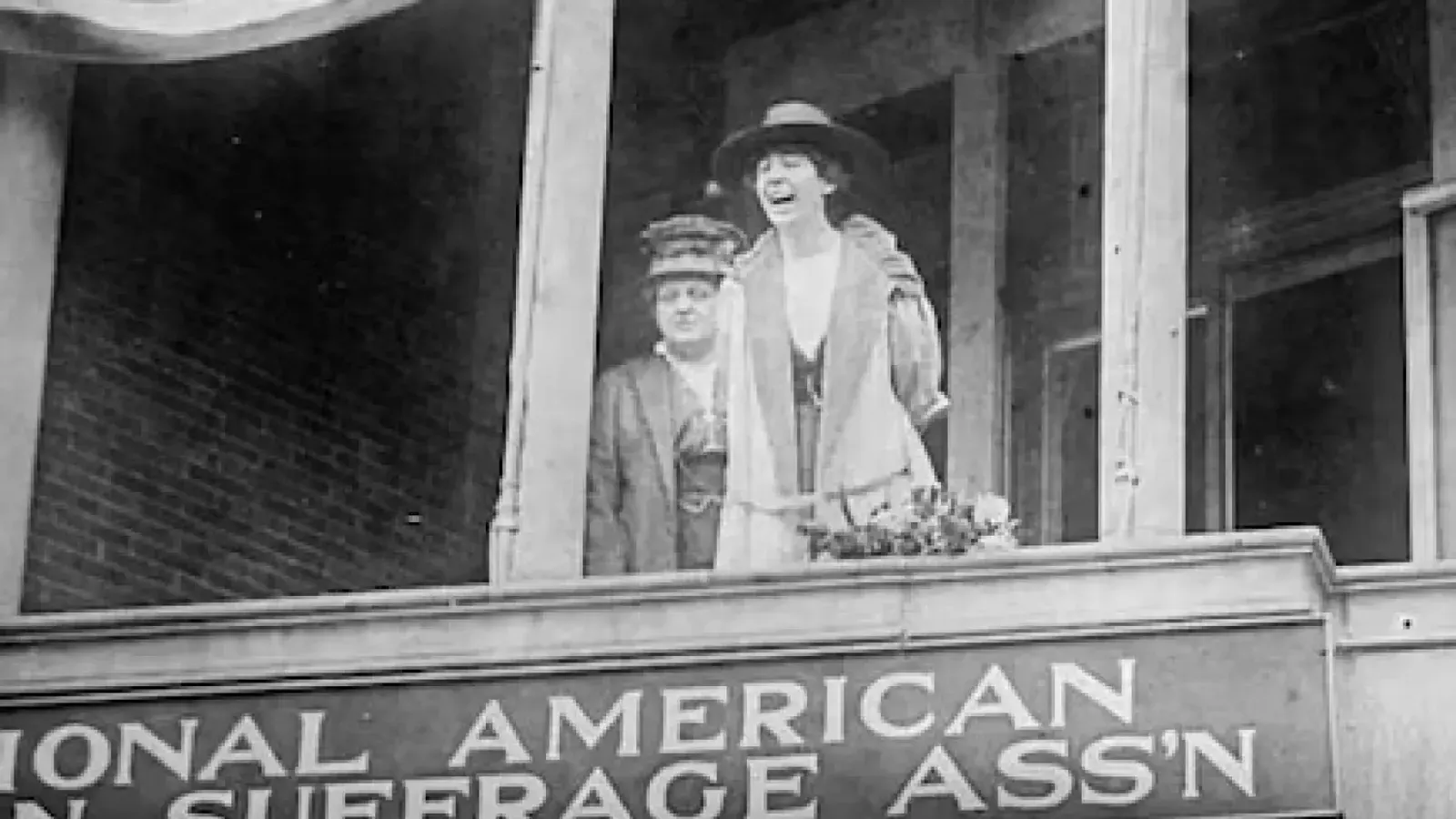
In a historic political milestone that predated nationwide suffrage for women in the United States, Jeannette Rankin was elected to the United States Congress. Representing the state of Montana as a Republican candidate, her landmark election took place in November 1916. This remarkable achievement occurred well before American women formally gained the constitutional right to participate in federal elections through the democratic process.
Following her successful election, Jeannette Rankin officially assumed her legislative duties by taking the oath of office on April 2, 1917. As she entered the halls of power within the House of Representatives, she famously remarked about her pioneering role: 'আমি হয়তো কংগ্রেসের প্রথম নারী সদস্য, কিন্তু শেষজন নই।' This powerful statement highlighted her belief that she was merely the first of many women who would eventually serve in the legislative branch.
During her tenure in the United States Congress, Rankin established a distinct and pacifist legislative record on matters of foreign policy and military engagement. Historical records confirm that she was the only member of Congress to cast votes against United States participation in both the First World War and the Second World War. Her dissenting votes remained a defining aspect of her political legacy throughout her service.
The broader national context surrounding Rankin's election eventually shifted several years later regarding gender equality and voting rights. On August 26, 1920, the nineteenth amendment to the United States Constitution was officially ratified. This crucial constitutional approval finally guaranteed nationwide voting rights for women across the entire country, years after Rankin had already broken the ultimate glass ceiling in Congress.