
International News: New Delhi Seminar Blocked, Nepal Floods and EU Vote
Delhi police block a seminar involving banned Awami League leaders as Nepal flood death toll rises. Meanwhile, Iceland rejects EU talks and Saudi Arabia deports thousands.

In international developments reported on August 30, 2026, various significant events unfolded across multiple countries, ranging from diplomatic tensions and natural disasters to policy decisions and regional cooperation meetings. These diverse occurrences highlight critical administrative, political, and environmental challenges spanning from South Asia to the Middle East and Europe.
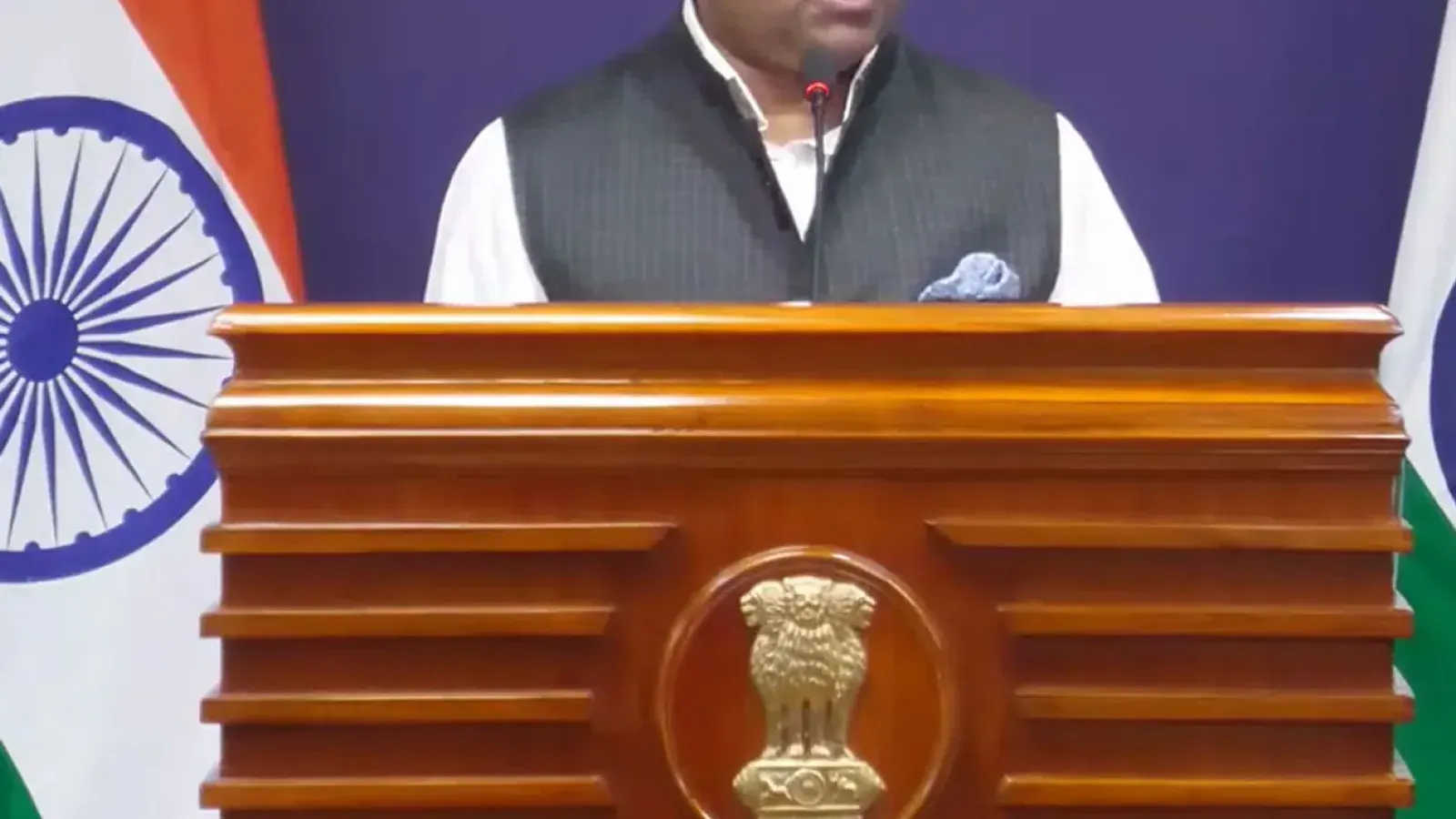
In India's capital, the Foreign Correspondents Club, also known as FCC, in New Delhi attempted to organize a seminar featuring several leaders from the banned Awami League. However, the event was ultimately canceled due to direct intervention and obstruction by the Delhi police, preventing the gathering from taking place.
Meanwhile, the disaster situation near the Nepal-China border has worsened considerably. Following severe flooding in the Bhotekoshi and Trishuli rivers, the confirmed death toll has climbed to 734 people. In addition to the fatalities, authorities report that 2,498 individuals remain missing, while rescue operations face severe hazards, including 85 missing rescue workers.
In regional diplomacy, preparations are underway for a high-level summit. Next Monday in Istanbul, Turkey, the inaugural meeting of the strategic political and defense committee involving Saudi Arabia, Pakistan, and Turkey is officially scheduled to convene.
In Saudi Arabia, enforcement operations targeting foreign nationals have intensified. Over the span of just one week, authorities deported approximately 15,000 foreign nationals. This action followed a broader crackdown in which 14,434 individuals were detained specifically for violating local laws.
Finally, in Northern Europe, the citizens of Iceland have made a decisive choice regarding international integration. During a public vote on whether to initiate formal discussions regarding joining the European Union, the proposal was officially rejected. Specifically, 47.5 percent of the votes cast were in favor of starting EU accession talks, while 52.5 percent of voters cast their ballots against the proposal.