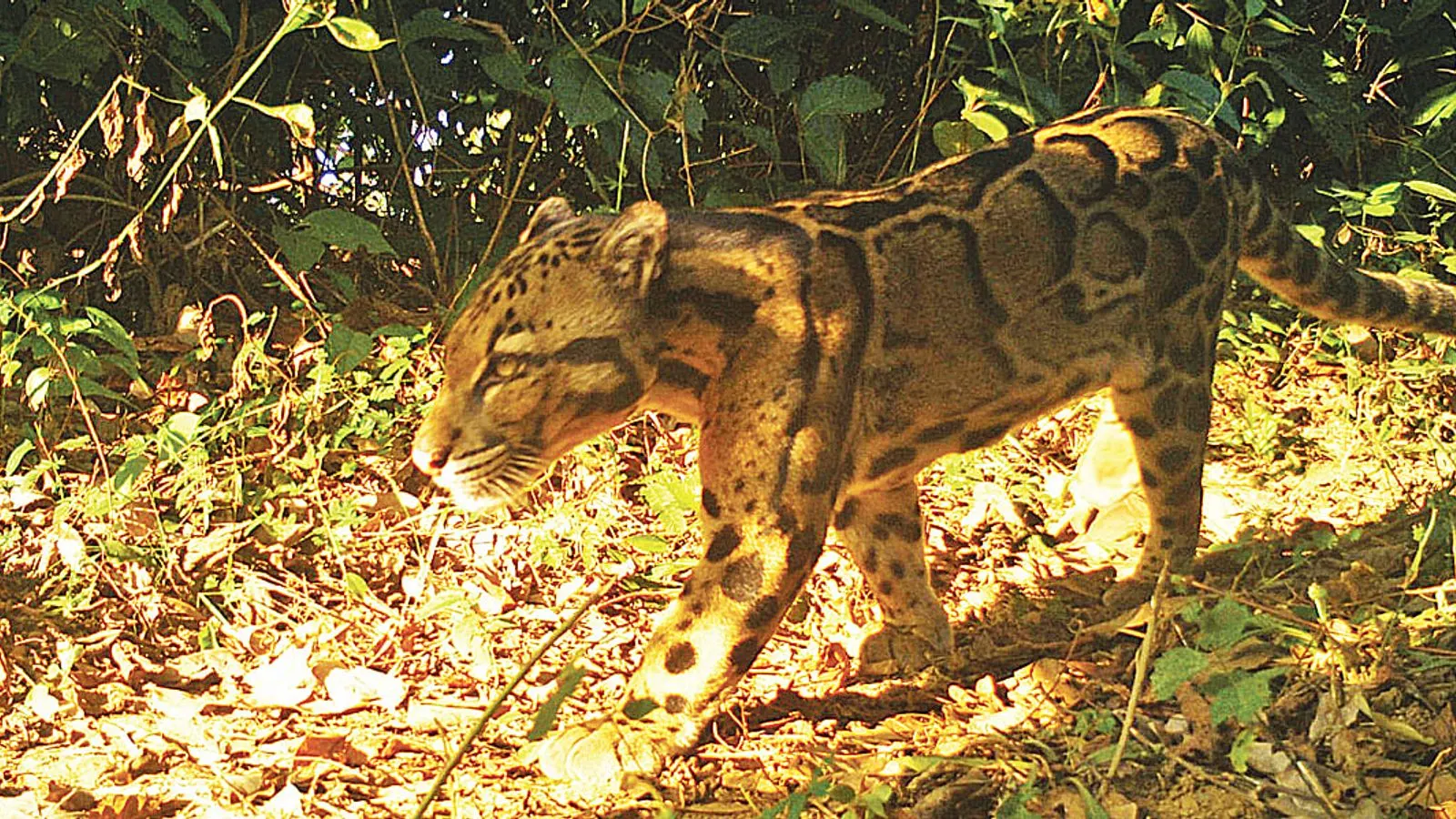

International Cave and Karst Day Highlights Global Underground Wonders
UNESCO marks 13 September as International Cave and Karst Day, drawing attention to vital subterranean landscapes. Experts and researchers highlight the ecological and hydrological significance of these unique natural formations worldwide.
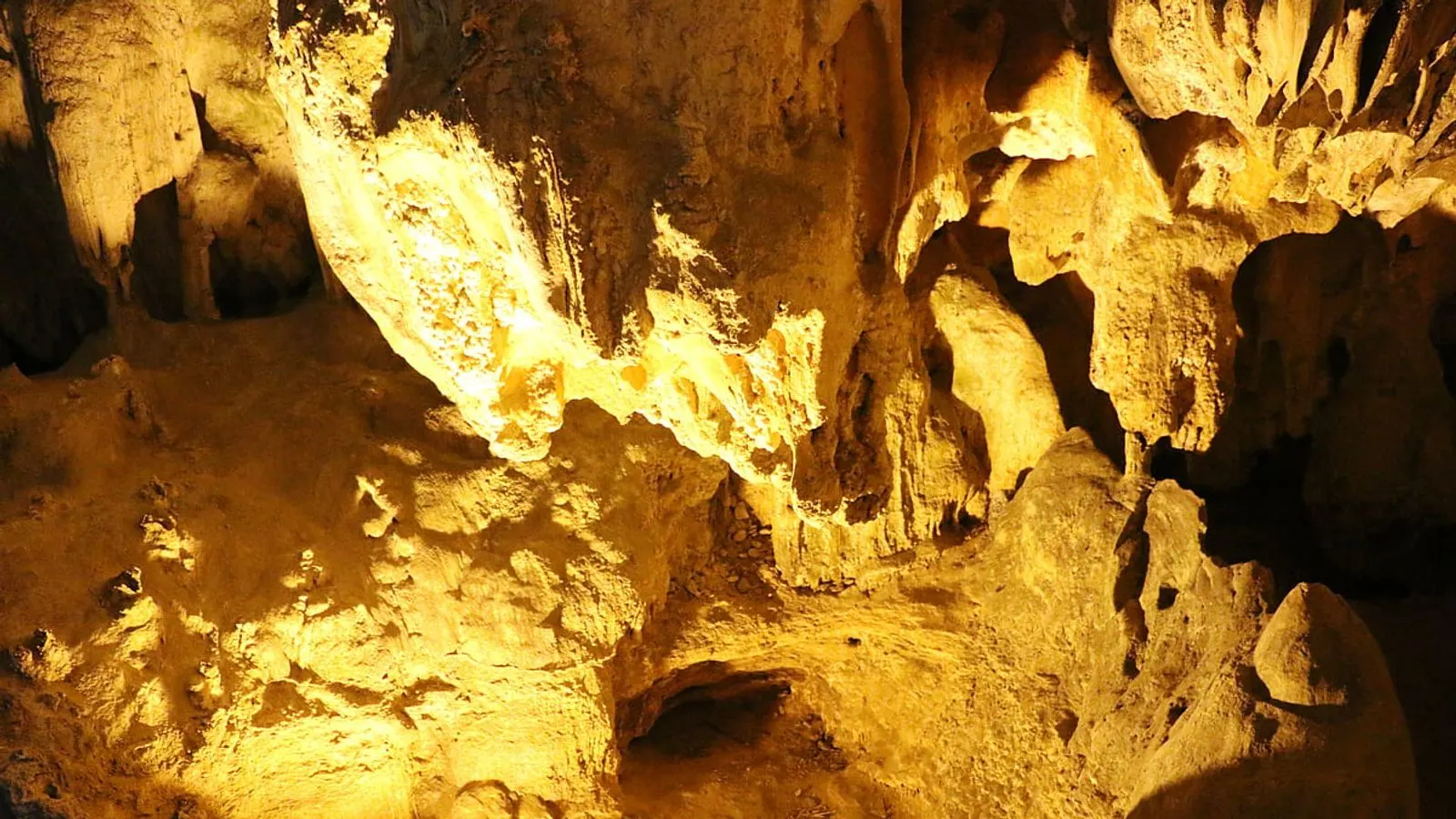
On 13 September, the international community observes International Cave and Karst Day, an official designation established by UNESCO to recognize the immense ecological, geological, and hydrological importance of underground landscapes. These formations, which span vast regions across the globe, play a critical role in shaping the Earth's physical geography and supporting human populations through essential natural resources. Natural scientists, researchers, and organizations such as Parks Canada continue to study these intricate underground environments to better understand their history and protect them for future generations.
According to scientific data regarding these subterranean regions, caves and karst landscapes cover approximately one-fourth of the Earth's total land surface. More specifically, the presence of caves is documented across roughly 15 to 25 percent of the global terrain. These extensive geological structures feature complex networks of underground passages, chambers, and water systems that have evolved over thousands of years through the dissolution of soluble rocks such as limestone, dolomite, and gypsum.
Beyond their striking physical beauty and geological significance, these underground formations are vital for global water security. Statistical evidence reveals that underground water reserves, known as aquifers, supply the daily drinking water needs of approximately 16 percent of the world's population. These natural reservoirs filter and store immense quantities of freshwater, making the preservation of karst landscapes an urgent environmental priority for communities that rely entirely on subterranean hydrological systems.
Caves also serve as invaluable archives of natural and human history, preserving ancient artifacts and biological remains for millennia. In the remarkable Rats Nest Cave, researchers have made groundbreaking discoveries, including the unearthing of 7,000-year-old mammal remains alongside ancient stone tools. Such archaeological and paleontological findings provide crucial insights into past climates, extinct species, and the early presence of humans who utilized these shelters in ancient times.
Geological exploration continues to reveal extraordinary subterranean depths and architectural wonders hidden beneath the Earth's surface. Among notable global discoveries, Canada's Bisaro Anima cave has officially claimed the record as the deepest cave in the country, captivating speleologists and researchers who brave its challenging vertical drops and narrow passages to map its hidden extents and study its unique subterranean ecosystem.
Highlighting the academic and exploratory value of these environments, expert John Polack emphasized the profound connection between physical geography and Earth observation, stating that understanding geography and geomorphology is essential to seeing the true form of the Earth, and noting that the karst landscape serves as an exceptional field for such study. Through continued international research and dedicated preservation efforts, scientists like Pallab Mohaimen, Derek Ford, and Greg Horn contribute to our expanding knowledge of these subterranean frontiers.