
Influencer Bitten by Nurse Shark Off Brazilian Coast
Tayane Dalazen suffered thigh lacerations after a nurse shark attack in April. The incident occurred as tour organizers were feeding sharks to encourage tourist interactions.
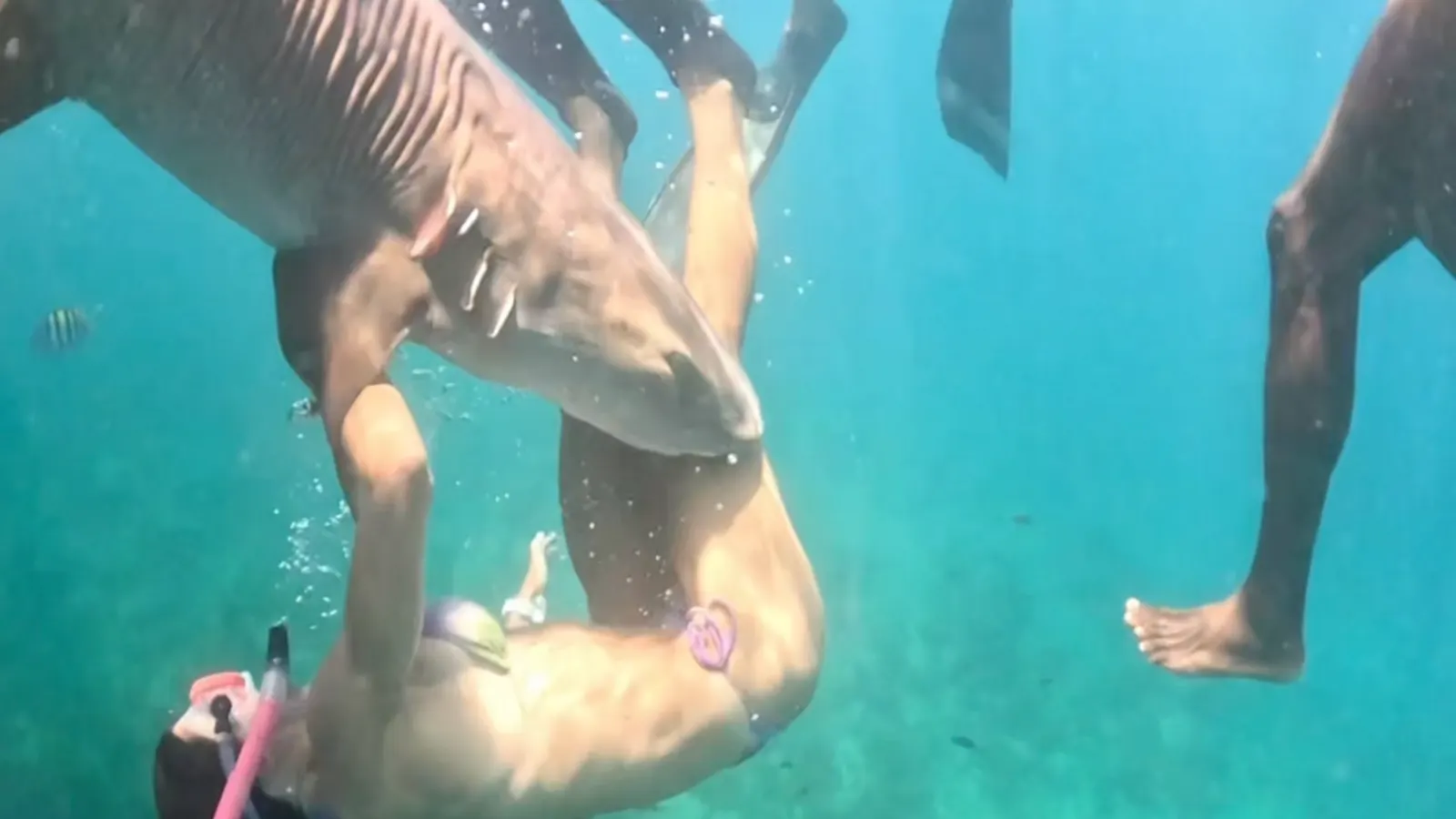
An influencer has been bitten by a nurse shark off the Brazilian coast in April, highlighting a growing trend of risky animal encounters captured on camera. Tayane Dalazen was attacked by a nurse shark that measured more than seven feet long. The large marine animal clamped its powerful jaws firmly around her thigh, leaving her with painful lacerations.
Reflecting on the terrifying encounter, Tayane Dalazen explained the unusual conditions at the surface of the water. "I knew something was different because the sharks were on the surface," she noted, adding that "there were a lot of them." She later uncovered the underlying cause of the aggressive behavior, stating: "Later, I discovered [the tour organisers] were feeding the sharks so that they would interact with the tourists."
Describing the moment the animal attacked, Tayane Dalazen detailed the intensity of the experience. "When the shark bit me, the pain was very strong," she said. Despite the severe trauma and immediate danger, she managed her adrenaline carefully. "I stayed calm because I knew I couldn't fight the animal," she added.
This incident is part of a broader, concerning pattern involving content creators and marine life. At least three influencers have been bitten by sharks in less than a year, sparking warnings from experts and researchers about the dangers of chasing viral media. Kristian Parton expressed alarm over the frequency of these digital trends, stating: "I'm seeing these videos every single week now and it's way more than it ever used to be." He further cautioned that "we're going to see people ending up in really serious incidents with sharks."
The rise in influencer-driven interactions contrasts sharply with baseline global statistics regarding marine predators. According to the International Shark Attack File, unprovoked shark attacks worldwide have remained broadly stable for the past 30 years at about 70 bites per year. Conservationists and researchers emphasize that feeding wildlife for social media engagement, such as through YouTube channels and other platforms reported by the BBC, distorts natural behaviors and puts both humans and animals at unnecessary risk.