
India Proposes Red Warning Labels on High-Sugar and High-Fat Foods
India's food safety authority has proposed front-of-pack warning labels for packaged items containing high levels of sugar, fat, or salt. The Supreme Court has urged swift government action amid growing concerns over rising obesity rates.
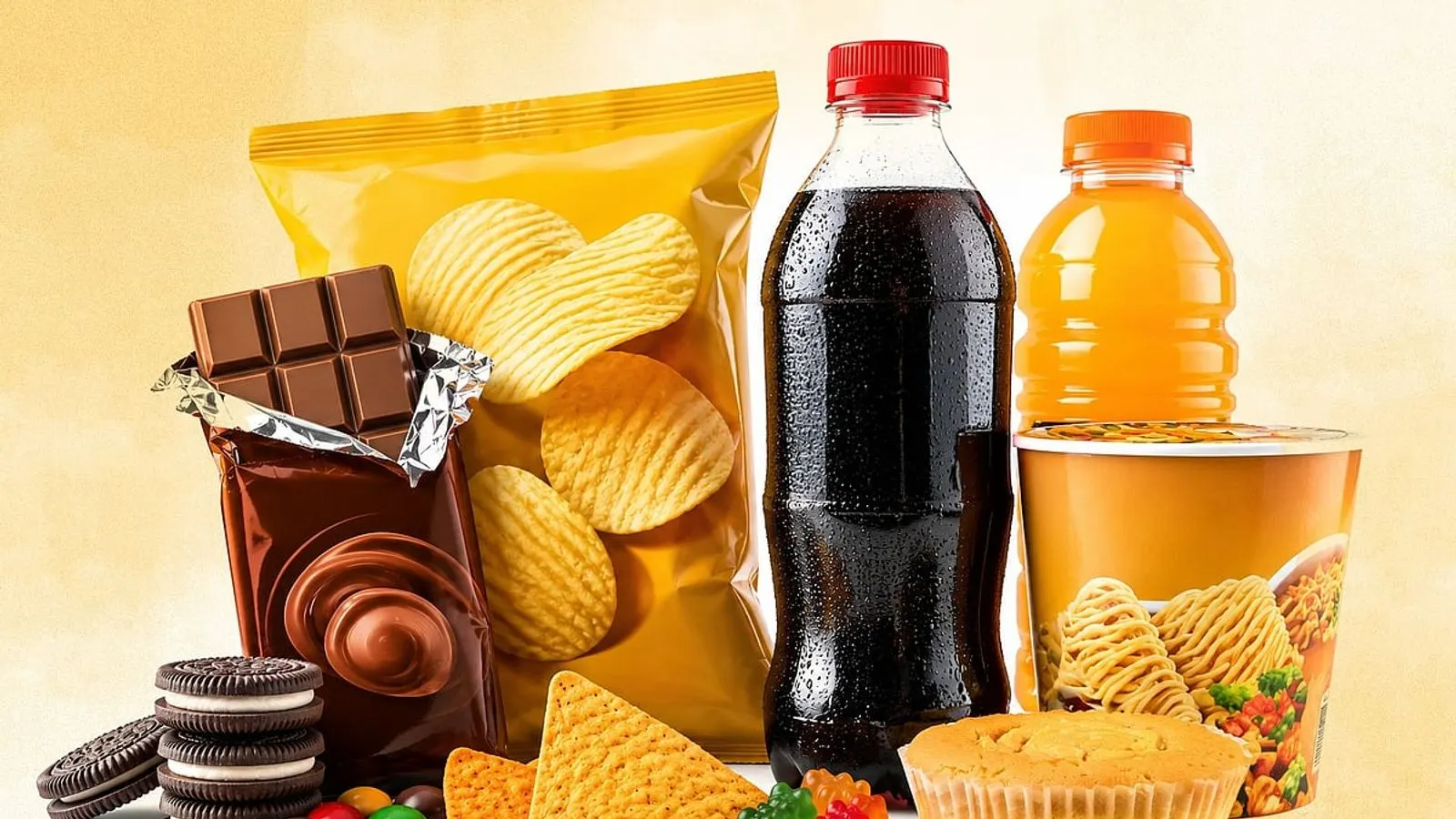
The Food Safety and Standards Authority of India (FSSAI) has proposed the implementation of front-of-pack red hexagonal warning labels for packaged foods and drinks that contain high levels of saturated fat, sugar, or salt, according to recent updates. Under the newly proposed regulatory framework, these prominent red hexagonal labels would specifically target products where at least two of these critical nutritional elements are found to be high.
This significant regulatory push comes at a time when health concerns regarding the nation's dietary habits are mounting. Projections indicate that by the year 2050, approximately 450 million adult citizens in India could potentially suffer from issues related to excess weight or obesity. The broader economic context underscores the scale of the issue, with the Indian food market currently valued at more than 10 billion US dollars, which translates to roughly 12.33 trillion Bangladeshi taka.
Amid these escalating public health concerns, the Supreme Court of India has actively intervened, urging the government to take swift and decisive action regarding the implementation of mandatory warning labels. Emphasizing the gravity of the situation in court proceedings, the judiciary stated that the world should know that India is deeply concerned about the overall health of its citizens.
Despite the push from judicial authorities and public health advocates, the regulatory proposal faces substantial commercial resistance. Major multinational beverage and food corporations, including industry giants such as Coca-Cola, its subsidiary Coca-Cola India, Nestle, and PepsiCo, have historically opposed the introduction of such prominent warning labels on their consumer products.
The ongoing debate over nutritional labeling highlights the tension between public health imperatives and corporate interests in one of the world's largest consumer markets. As the Food Safety and Standards Authority of India moves forward with its red hexagonal warning label proposals, the ultimate outcome will likely have significant implications for both consumer awareness and the packaged food industry in the country.