Impact of war and sanctions on Iran's economy in 2024
Iran faces severe economic turmoil in 2024 due to ongoing war, international sanctions, and domestic financial pressures. Analysts and international institutions detail the toll on currency, energy production, and poverty rates.
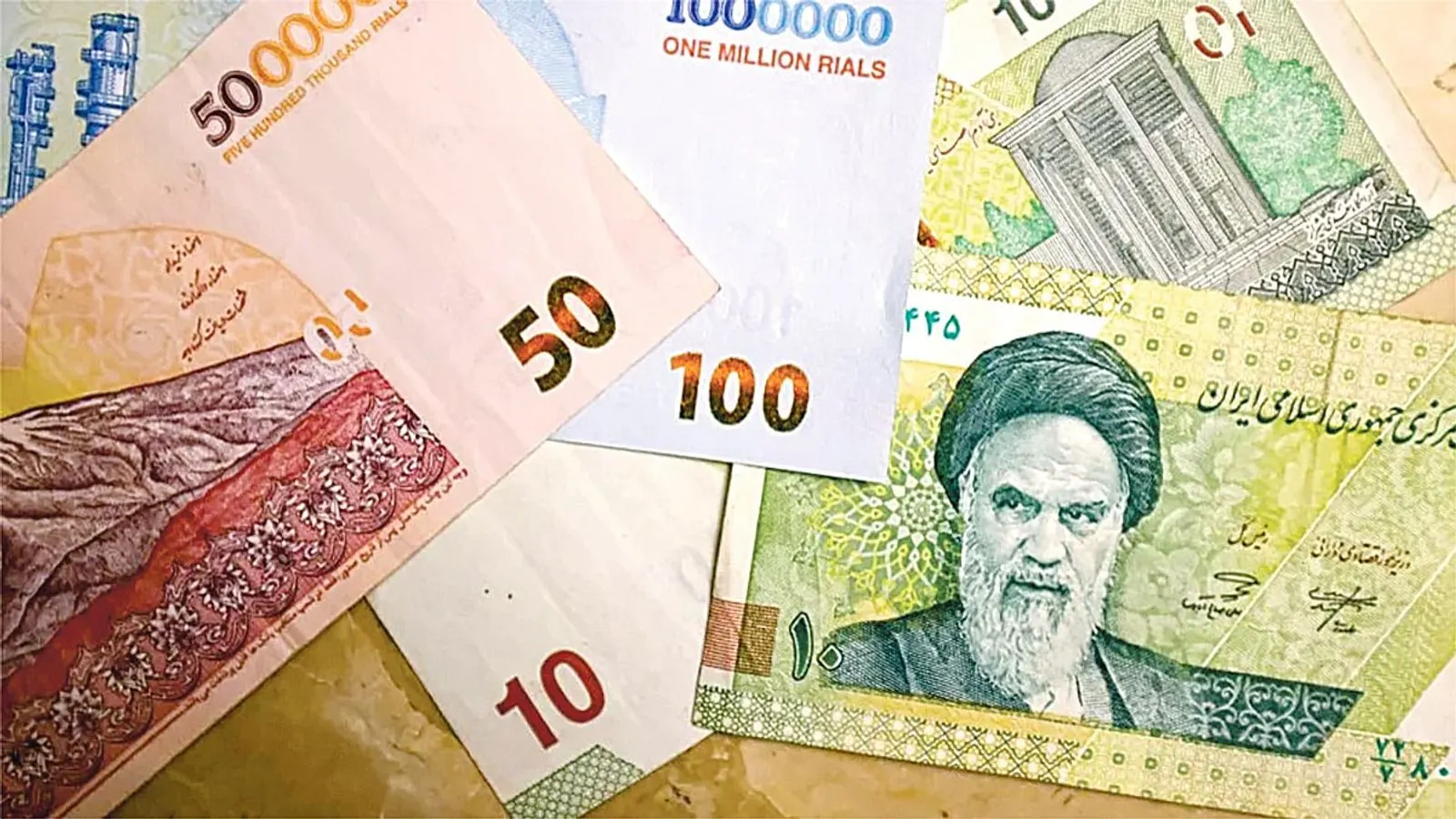
The year 2024 brought profound economic challenges to Iran, driven by the combined pressures of military conflict and tightening international sanctions originating from Washington. As the geopolitical situation intensified, the Iranian rial experienced a severe devaluation, with its exchange rate plummeting until the rate dropped to 2 million rials against foreign currency benchmarks. Financial stress permeated every sector of daily life in Tehran, compounding the long-term difficulties faced by the population under previous economic restrictions.
Energy production and infrastructure faced extraordinary disruptions throughout the year, notably because the Strait of Hormuz remained effectively closed for the majority of a six-month period. Daily natural gas production, which previously stood at approximately 650 million cubic meters, suffered a sharp decline with output dropping by nearly 230 million cubic meters. Concurrently, fuel supplies fell critically short, with petrol deliveries lagging about 20 million liters behind daily domestic demand, severely constraining transportation and commerce across the country.
Despite these profound structural strains, official metrics reported unemployment at a modest 7.5 percent, though broader financial indicators told a harsher story. The monthly minimum wage now equates to roughly 87 dollars when calculated using open-market exchange rates. Meanwhile, poverty rates, which previously hovered around 30 percent, are projected to surge and potentially reach 45 percent over the course of the current year. Addressing these escalating price pressures, researcher Hadi Kahalzadeh noted that managing economic shocks through inflation and currency devaluation keeps goods on store shelves, but purchasing them becomes increasingly difficult for ordinary people.
External trade adapted through clandestine mechanisms as Washington prepared the implementation of new sanctions. Iran managed to export between 1.4 million and 1.8 million barrels of crude oil daily by utilizing a shadow fleet of several hundred aging tankers. Financial inflows from these operations contributed significantly to state coffers; during the active phase of the conflict, the nation sold 11.5 billion dollars worth of crude oil, followed by an additional 6.5 billion dollars in sales during a subsequent ceasefire period, ultimately accounting for more than 60 percent of total government revenue.
Domestic capital markets mirrored the overarching instability, prompting extraordinary government interventions. On February 28, authorities ordered the Tehran Stock Exchange to close, and trading remained suspended for approximately 80 days. Nevertheless, the Tedpix index exceeded 5.9 million points by the fifth month of the conflict. Looking ahead, the International Monetary Fund (IMF) has outlined a cautious medium-term outlook for the country, forecasting a 3.2 percent economic growth rate for the year 2027.