How Long Food Survives in a Fridge During a Power Outage
Official guidelines outline exact food safety durations during power outages. Freezers can remain frozen for up to 48 hours without power.
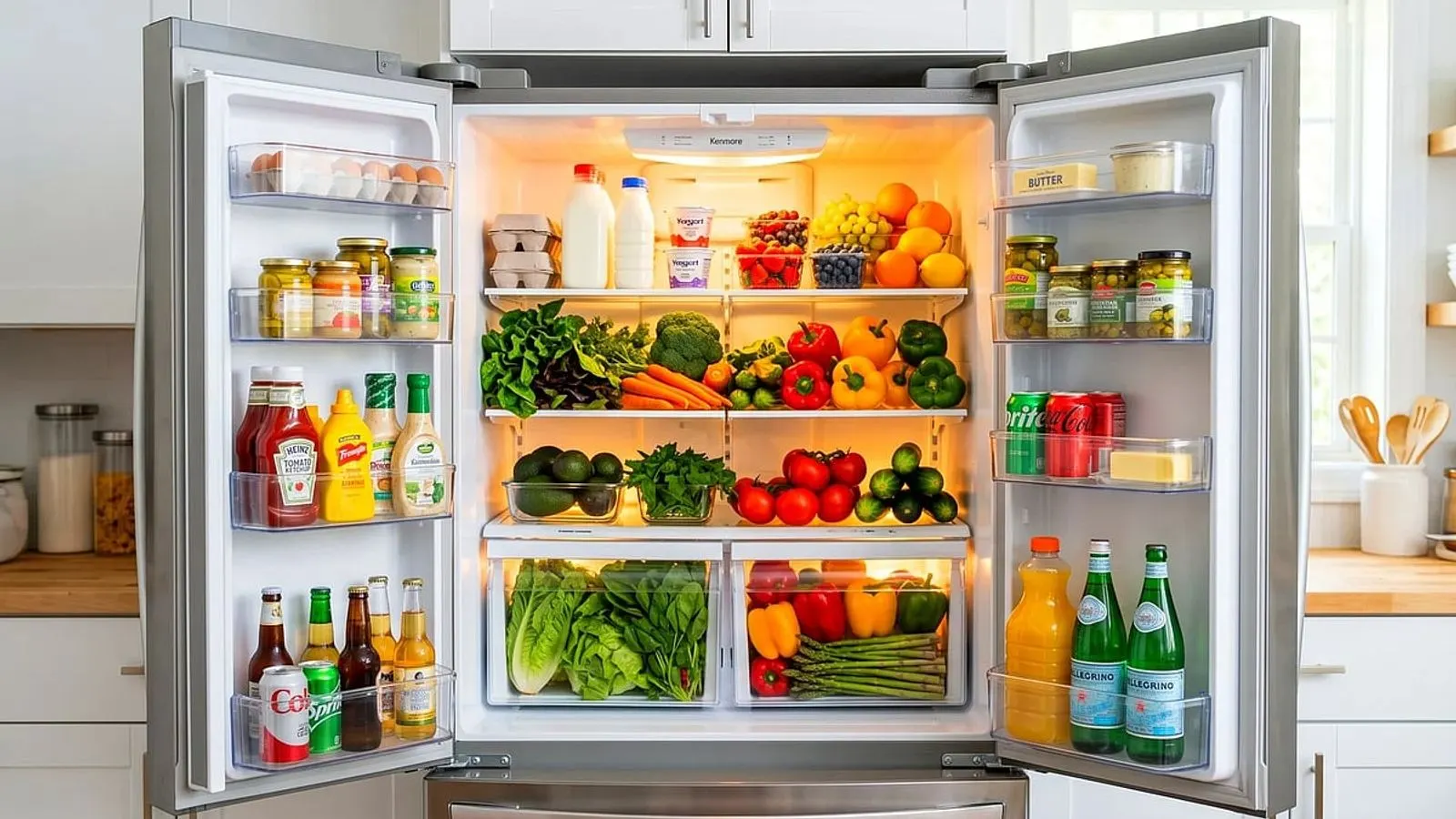
When an unexpected electricity outage occurs, households often face immediate concerns regarding the safety and preservation of perishable items stored inside their refrigeration units. According to verified food safety guidelines, when power goes out, a standard refrigerator can generally keep food items safe for approximately four hours before temperatures begin to rise to unsafe levels. This critical four-hour window requires careful consideration from residents who must decide whether items like dairy, meats, and leftovers remain safe for consumption or need to be discarded to prevent foodborne illnesses.
Beyond the primary refrigerated compartment, frozen food storage presents a different timeline for preservation during a blackout. An upright or chest freezer can successfully maintain its freezing conditions and keep its contents solidly frozen for approximately 48 hours, provided that the appliance door remains securely closed throughout the duration of the emergency. Opening the door unnecessarily allows cold air to escape rapidly, which significantly reduces the time that frozen goods can remain safely preserved without an active electricity supply.
Understanding the standard operational parameters of these cooling appliances helps clarify why they hold temperature for specific durations. Under normal operating conditions, the internal temperature of a standard freezer is typically maintained at approximately minus 18 degrees Celsius, which is optimal for long-term freezing. Meanwhile, the main fresh-food section of the refrigerator is generally set to operate at approximately 4 degrees Celsius, keeping perishable items chilled and slowing down bacterial growth until a power failure disrupts the cooling cycle.
The extensive data associated with thermal dynamics in these scenarios involves numerous specific measurements and timeframes that researchers study during power disruptions. While standard kitchen appliances operate within their designated Celsius ranges, broader analytical records reference figures such as 16 hours, 21 degrees Celsius, 39 degrees Celsius, 17 degrees Celsius, 334 joules, 15 kilograms, 5 million joules, 25 joules, 200,000 seconds, 24 hours, and 60 degrees Celsius. These extensive figures illustrate the complex physical and thermal calculations that govern how household appliances manage heat absorption and temperature retention over varying periods.
Ultimately, managing food safety during a black-out relies heavily on monitoring these established timeframes. Because a refrigerator can only maintain a safe environment for about four hours and a freezer for up to 48 hours under closed-door conditions, residents must act promptly when prolonged power failures occur. Keeping doors shut is the most effective method to preserve internal cold temperatures and protect stored provisions until normal electricity service is fully restored to the affected area.