How Dolphins Sleep With One Half of the Brain Awake
Scientific research reveals that dolphins sleep using a unique process called unihemispheric slow-wave sleep, keeping one half of the brain awake and the opposite eye open. This extraordinary adaptation allows these marine mammals to breathe regularly and stay alert to their surroundings.
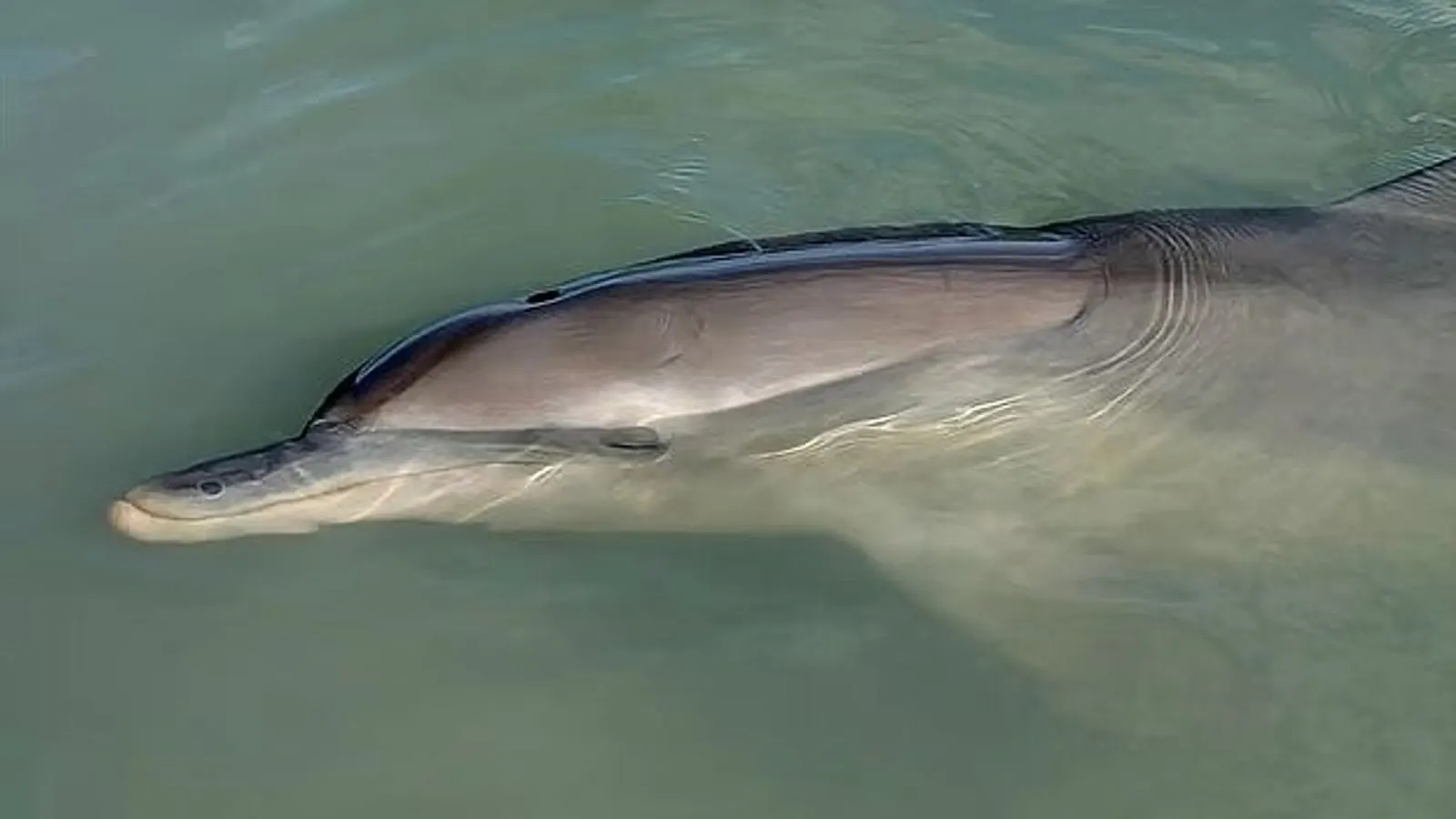
Marine mammals possess extraordinary physiological adaptations that distinguish them from land animals, particularly regarding how they rest. A prominent example of this is found in dolphins, which execute a specialized scientific process to sleep while keeping one half of their brain completely awake and functional.
In the terminology of modern science, this unusual sleeping mechanism is formally known as unihemispheric slow-wave sleep. During this state, while a single hemisphere of the dolphin's brain rests, the opposite hemisphere remains entirely active, which allows the eye corresponding to the waking side to stay open.
Historical documentation of this phenomenon dates back to 1964, when researcher John C. Lilly first identified and understood the peculiar behavior of dolphins sleeping with one eye closed while the other remained open. Following this initial discovery, Russian biologist Lev Mukhametov subsequently utilized electroencephalogram, or EEG, testing to precisely measure and explain the distinct brainwave patterns occurring across both hemispheres of the dolphin's brain.
The biological necessity for this distinctive sleeping pattern is tied directly to the respiratory system of the animals. Because dolphins possess lungs rather than gills, they cannot extract oxygen underwater and must regularly ascend to the surface of the water to breathe air.
This remarkable evolutionary trait is not exclusive to bottlenose dolphins alone. Similar sleeping patterns have been documented across various other aquatic species, including beluga whales, pilot whales, porpoises, and the unique freshwater dolphins inhabiting the Amazon River.
Furthermore, scientific exploration into unihemispheric rest extends beyond marine environments. In 2016, researchers in Australia successfully demonstrated that reptiles such as crocodiles also possess the ability to sleep with one eye open, enabling them to carefully monitor their surrounding environment for potential threats even while resting.