
Experts Discuss Spectrum and Connectivity Challenges in Dhaka
A high-level roundtable discussion in Dhaka addressed critical telecommunications challenges, including spectrum allocation, pricing, and declining industry growth. Industry leaders and officials emphasized the urgent need to balance government revenue with operator viability and economic expansion.
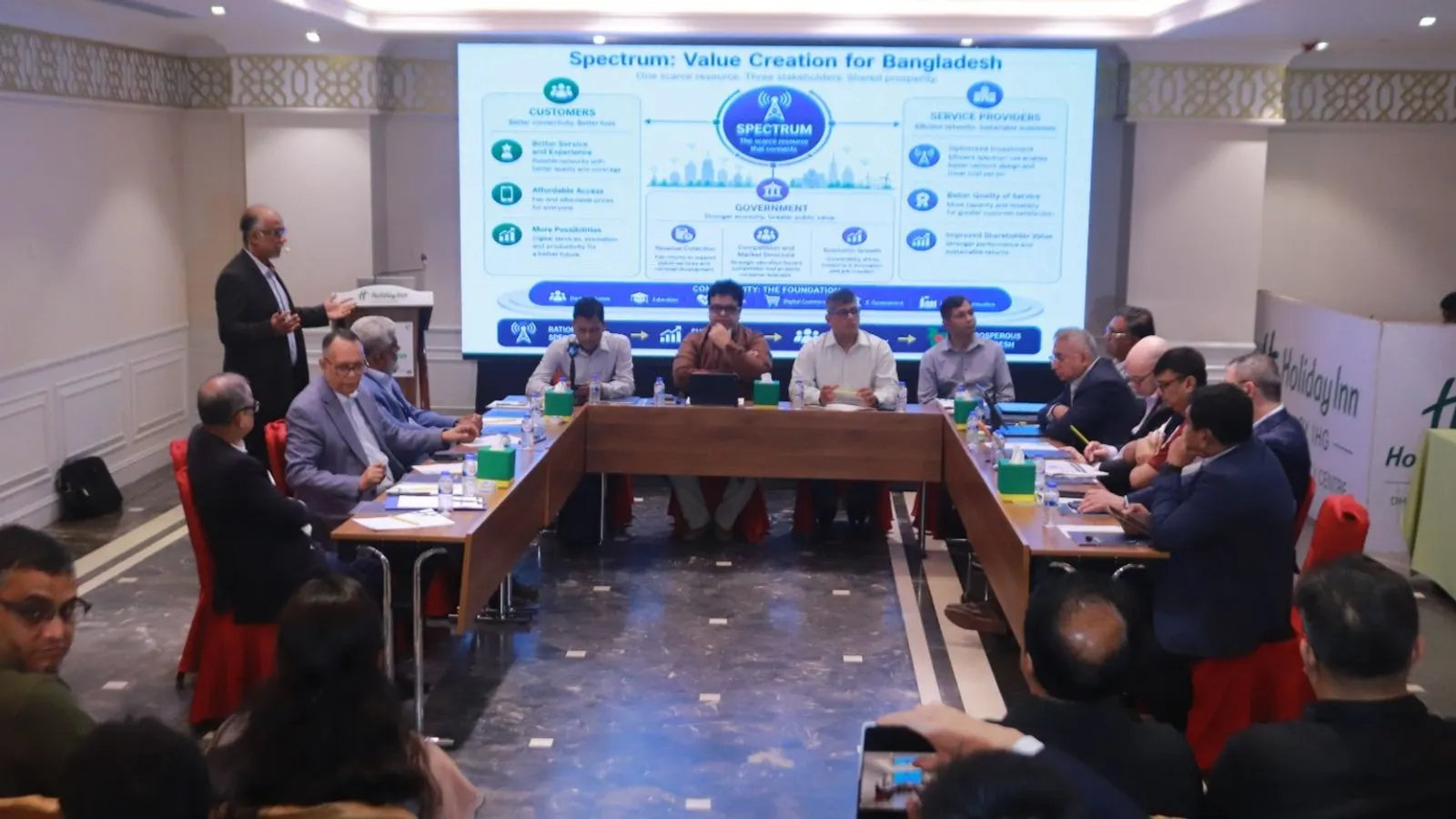
A high-level roundtable discussion titled 'Spectrum for a Connected Bangladesh: Enabling Internet for All' was recently held in Dhaka. Organized by the Telecom and Technology Reporters Network Bangladesh (TRNB), the event brought together prominent figures from the telecommunications sector, regulatory bodies, and various industrial organizations to deliberate on the future of the country's digital infrastructure.
During the deliberations, participants highlighted significant gaps in current spectrum allocation and usage. According to global standards, two to six megahertz of spectrum is required for every one million subscribers. However, while the country currently utilizes between 460 and 462 megahertz of spectrum, projections indicate that approximately 1,500 megahertz of spectrum will be required in the country by the year 2035 to meet growing demands.
Discussions also shed light on shifting consumer habits and broader economic metrics within the sector. Statistics presented at the roundtable revealed that voice call minutes have decreased by 25 percent, while an average subscriber uses no more than eight gigabytes of internet per month. Furthermore, data indicated that Bangladesh ranked 93rd globally in terms of mobile network performance in the year 2025, underscoring ongoing challenges in service delivery and digital connectivity.
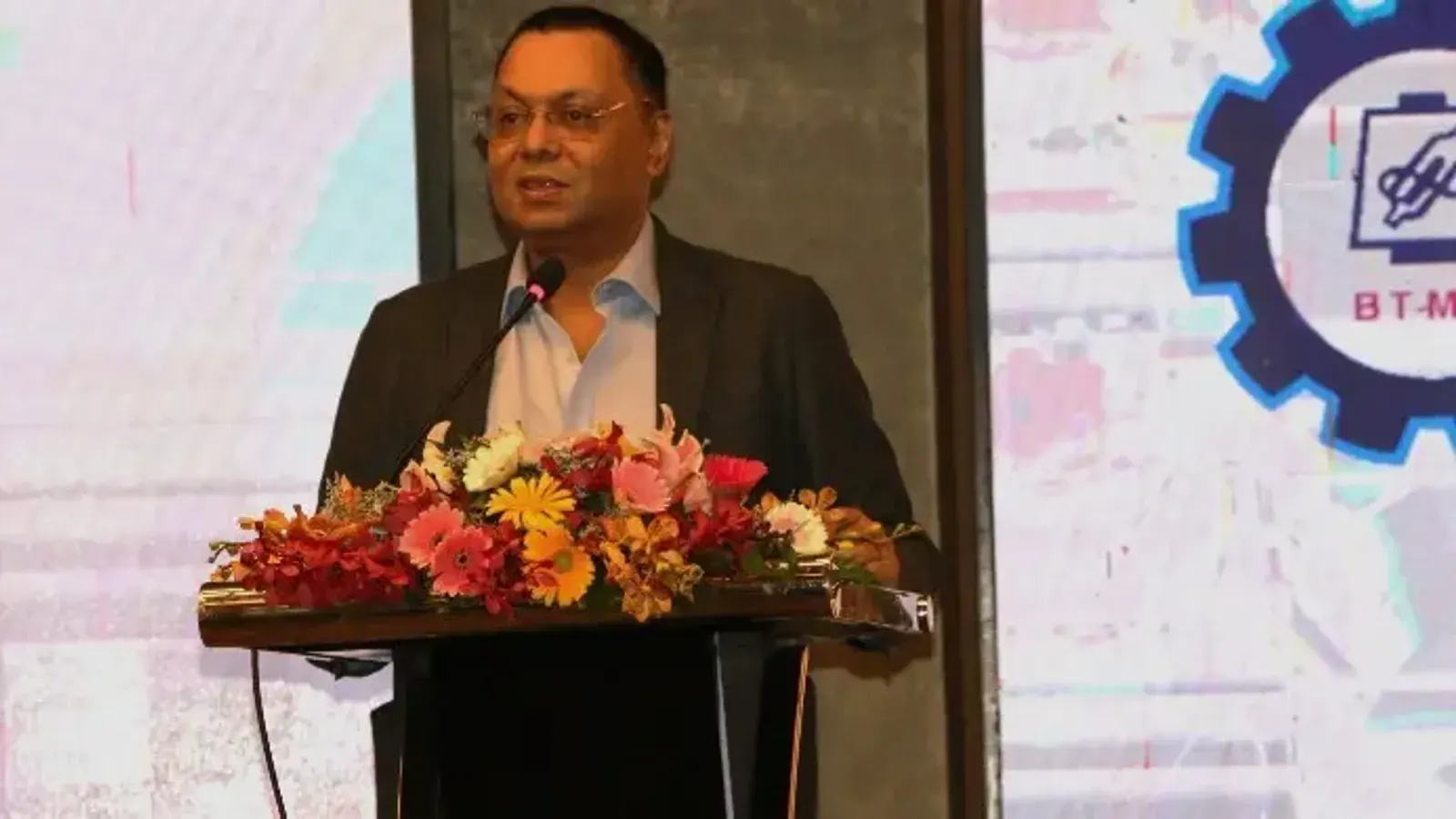
Addressing the gathering, Rehan Asif Asad stated that no unreasonable decisions will be made regarding these pressing matters. Major General Emdadul Bari (Retd) emphasized that a sweet spot must be found among customer service, the business capabilities of operators, and overall economic growth. Echoing these sentiments, Ziad Shatara remarked that the true value of spectrum should not be determined solely on the basis of government revenue generation.
Further insights came from industry leaders regarding the historical and future trajectory of the market. Yohann Busse noted that growth within the country's telecommunications sector has failed to increase over the past 10 years. Meanwhile, Yasir Azman stressed that the matter of spectrum renewal needs to be viewed from a much broader perspective to ensure sustainable development across the entire digital ecosystem.
Looking ahead, the regulatory landscape faces major upcoming milestones. Authorities have planned an auction of an additional 400 megahertz of spectrum for next year, alongside a large-scale spectrum renewal process scheduled for coming November. These initiatives involve key stakeholders such as the Ministry of Posts, Telecommunications and Information Technology, the Ministry of Science and Technology, the Bangladesh Telecommunication Regulatory Commission (BTRC), the Association of Mobile Telecom Operators of Bangladesh (AMTOB), Robi Axiata, Banglalink, Grameenphone, and FICCI.