
EU Considers Social Media Restrictions for Children and Teenagers
The European Union is considering new restrictions on social media use for children and teenagers. Discussions at the European Parliament in Brussels involve officials and 132 organizations.
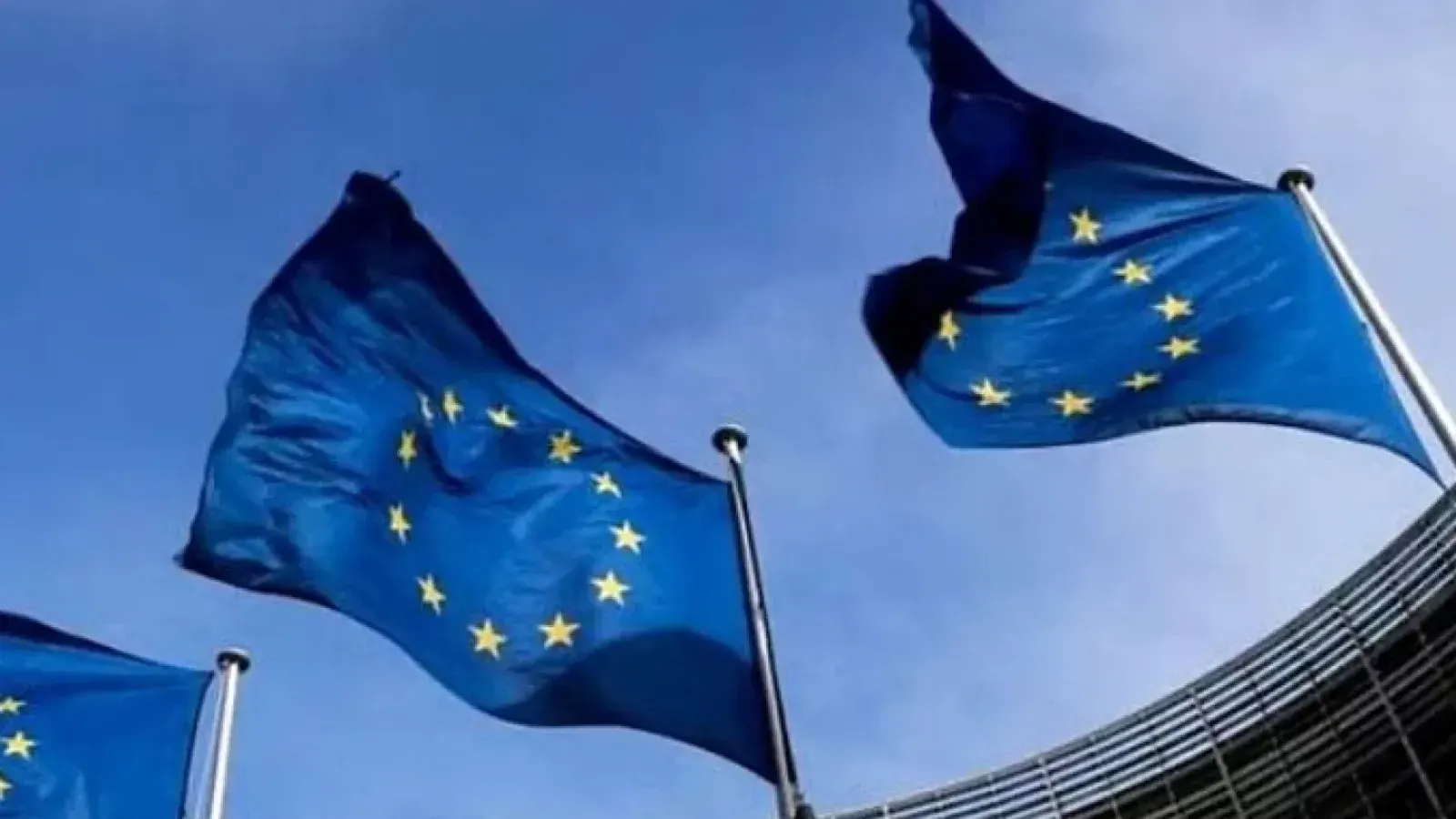
The European Union is currently considering implementing restrictions on social media use for children and teenagers, according to developments expected next week at the European Parliament in Brussels. European Commission President Ursula von der Leyen is reviewing the potential measures regarding social media access for minors across the bloc's 27 member countries. The discussions come as various European nations pursue distinct national policies regarding youth access to digital platforms.
Amid these broader regional deliberations, individual countries within the European Union are already advancing their own regulatory frameworks. Specifically, France has expressed a clear policy stance, indicating that it wants a ban implemented for children under 15 years of age. These European policy debates draw context from international examples, notably Australia, which introduced the world's first major social media ban for children and teenagers in December 2025.
To support potential regulatory measures, the European Union is planning to launch a dedicated age verification system before the end of this year. However, the prospect of restricting youth access has sparked significant debate among civil society groups and advocacy organizations operating within the region. In total, 132 organizations, including EDRi, the Centre for Democracy and Technology (CDT) Europe, and news agency AFP, are closely monitoring and engaging with the legislative discussions taking place in Brussels.
Representatives from these advocacy organizations have voiced strong concerns regarding the proposed restrictions and their potential impact on youth rights. Christian Sirhigiri, speaking on behalf of these perspectives, stated that the goal of regulation should be to control social media platforms in order to protect children's fundamental rights, rather than restricting children's opportunities to participate online.
Echoing these philosophical and rights-based objections, Lisa-Lee Pakosta raised critical questions about the ethical implications of limiting digital access for minors. Pakosta articulated this concern directly, stating that it is very difficult to understand morally why the right to information should be prohibited for young people.
As policymakers, officials including Simeon de Brouwer and other stakeholders gather at the European Parliament in Brussels next week, the debate over how to balance child protection with digital rights remains a central focus. With the EU Commission planning its age verification system for later this year, the 27 member states face crucial decisions regarding the future of social media governance for children under 13 and older teenagers alike.