

Deep-Sea Red Coral Fish of the Bay of Bengal and Their Diet
The deep-sea red coral fish inhabits the continental shelf of the Bay of Bengal rather than ponds or rivers. Their vibrant red coloration is derived directly from carotenoid pigments found in the shrimp and shell-bearing creatures they consume.
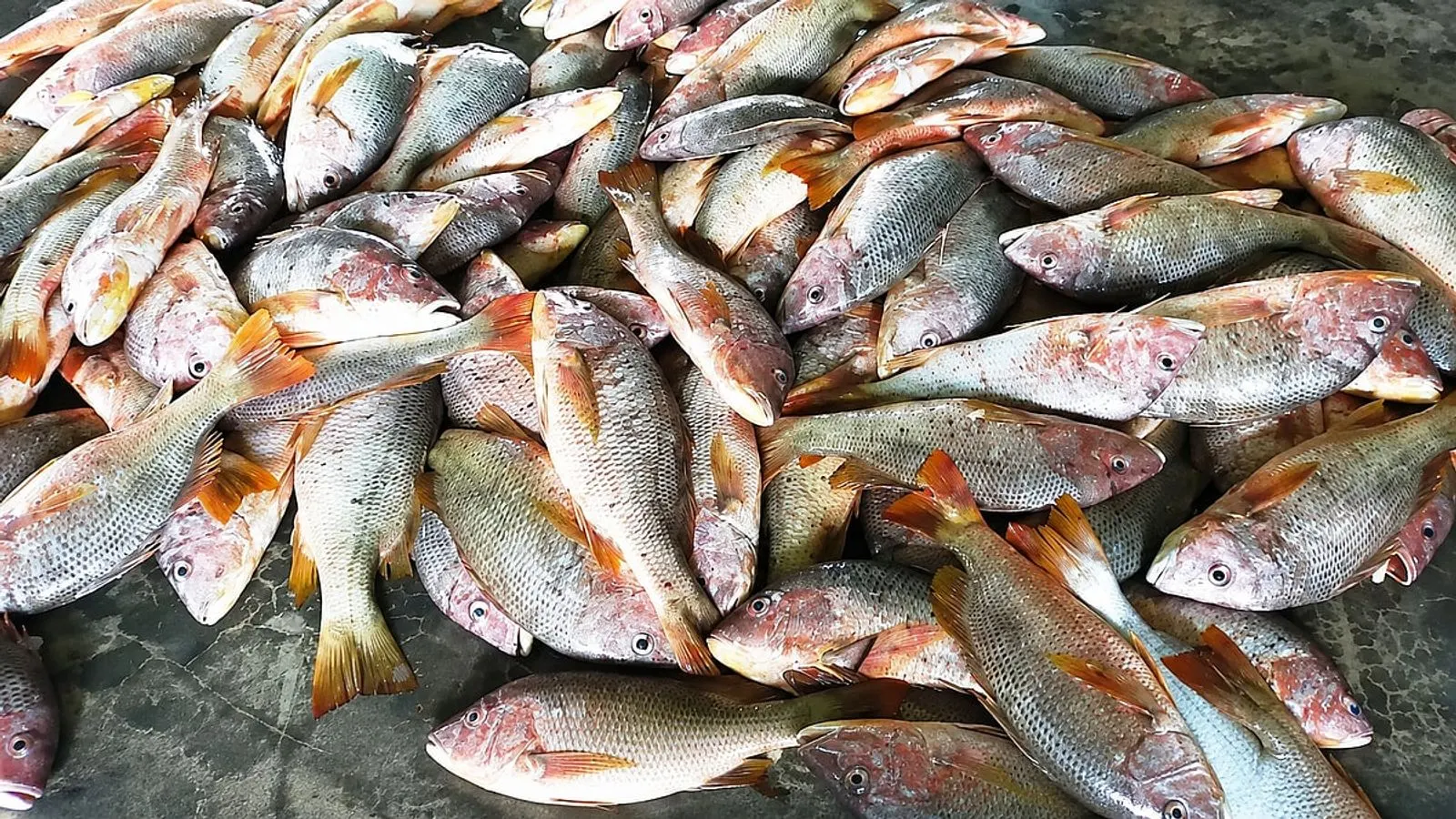
The red coral fish is a distinctive marine species that makes its permanent home not in freshwater ponds or rivers, but specifically within the deep waters of the continental shelf in the Bay of Bengal. This unique habitat shapes the biological existence and physical traits of the species, placing them far beneath the surface in marine environments that require specialized adaptations for survival.
A defining characteristic of these marine creatures is their striking red coloration, which originates from specific carotenoid pigments. In particular, the red hue is driven by astaxanthin, a vital substance that these fish acquire entirely through their diet by consuming shrimp and various shell-bearing marine animals available in their natural deep-sea habitat.
The surrounding aquatic environment plays a crucial role in how this species interacts with light and its own coloration. As sunlight penetrates the water column, red light is nearly completely filtered out after descending just ten to twelve meters beneath the surface, plunging the deeper zones into a different spectrum of light.
Because their brilliant pigmentation depends entirely on their natural intake of specific marine life, captivity presents a distinct challenge for the species. When these fish are kept in enclosures and deprived of their natural diet of wild shrimp and shell-bearing creatures, their signature red coloration gradually begins to fade away.
The vertical distribution of these marine inhabitants spans significant depths beneath the surface. They are typically found living anywhere from thirty to two hundred feet deep, and on rare occasions, they can reside at even greater depths within the expansive waters of the region.