
CPD Research Highlights Digital Divide in Local Government E-Governance
A new study by the Centre for Policy Dialogue reveals that citizens are failing to reap the full benefits of e-governance in local government institutions. The comprehensive research underscores disparities across divisions, noting that Rangpur lags behind in digital service preparedness and awareness.
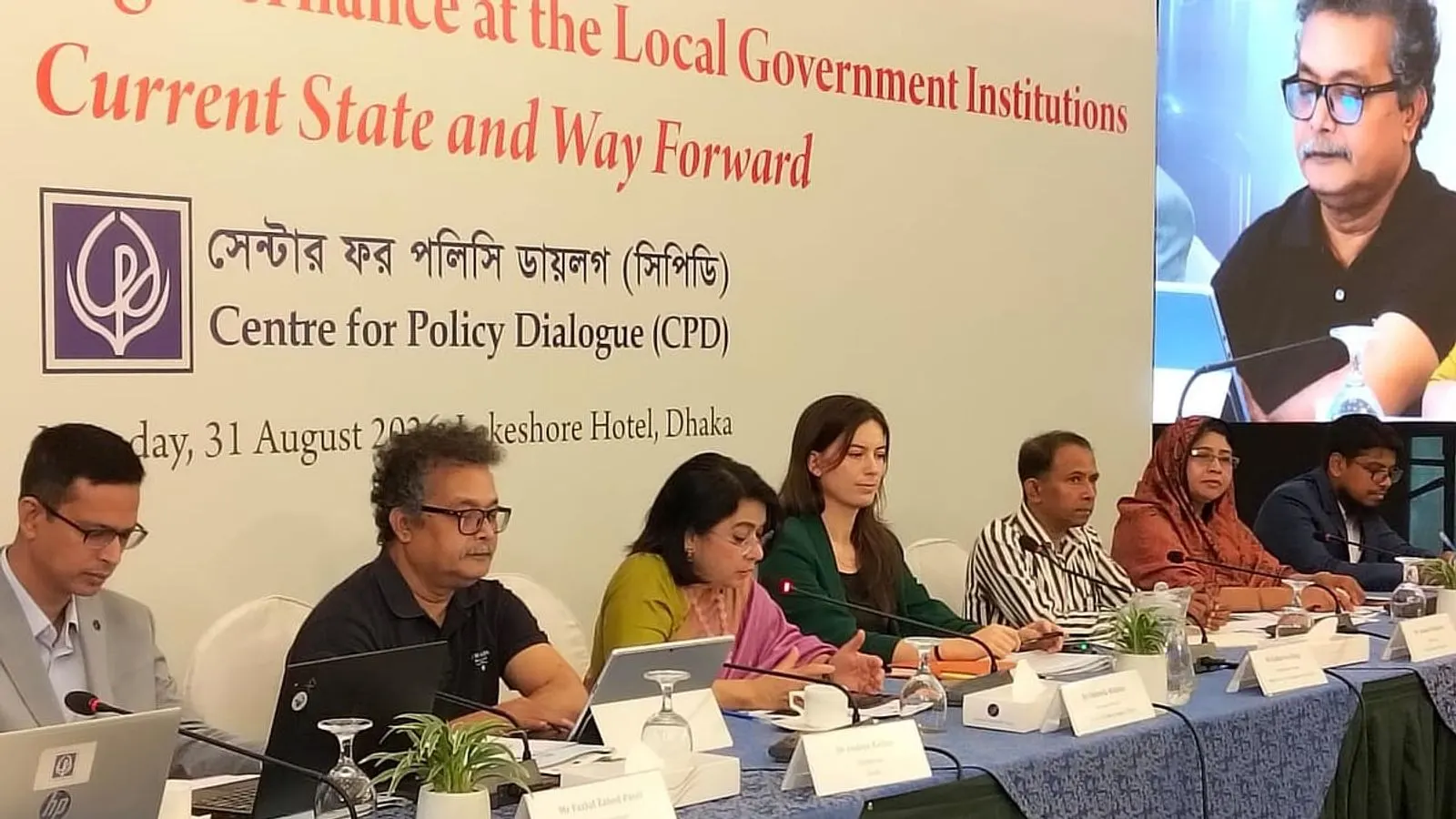
Despite the ongoing expansion and implementation of electronic governance across various local government institutions, ordinary citizens are reportedly failing to receive the full and intended benefits of these digital services. This critical finding was brought to light during a recent dialogue and research publication event organized by the Centre for Policy Dialogue (CPD), held in Gulshan, Dhaka, on 31 August 2026.
The extensive research initiative conducted by the organization incorporated broad data collection, successfully engaging a total of 2,611 citizens hailing from all eight administrative divisions of the country. Furthermore, the empirical study thoroughly investigated and evaluated 297 distinct local government offices to assess the ground realities of digital public service delivery.
According to the statistical findings released during the publication, significant demographic disparities persist in digital service utilization. Specifically, the data indicates that a mere 31 percent of women confirmed they were able to receive government services completely online. In comparison, the figures for the younger demographic showed a slightly higher yet modest engagement, with 43 percent of youth reporting that they successfully accessed services through digital platforms.
Geographical inequalities also emerged as a prominent theme within the CPD research findings. When evaluating the overall digital service preparedness, infrastructure, and public awareness levels, the data highlighted that the Rangpur division is currently the most lagging region in the entire country when compared to other regional areas.
The dissemination of these comprehensive research outcomes drew participation from numerous notable researchers, experts, and institutional representatives. Among the individuals associated with the event and affiliated organizations were Tamim Ahmed, Sabiha Sharmin, Fahmida Khatun, Katharina Konig, Ananya Raihan, Fazlul Zahid, Aminul Mohaimen, Khandaker Sohel Rana, Mohammad Nurullah, and Bhaskar Bhattacharya.
Organizations contributing to the broader engagement context of the discourse included the Centre for Policy Dialogue (CPD) itself, alongside the Nagorikota Civic Engagement Fund, i Social, Aspire to Innovate (a2i), Bangladesh University of Professionals (BUP), and Sightsavers. The collective findings are expected to prompt renewed stakeholder discussions on bridging the digital divide in local governance.