
Bangladesh Solar Power Expands with Teesta and Karatoya Projects
Bangladesh is advancing its renewable energy sector with significant solar power initiatives in Gaibandha and Panchagarh. These developments include the operational Teesta Solar Limited plant and the ongoing Karatoya Solar Limited project.
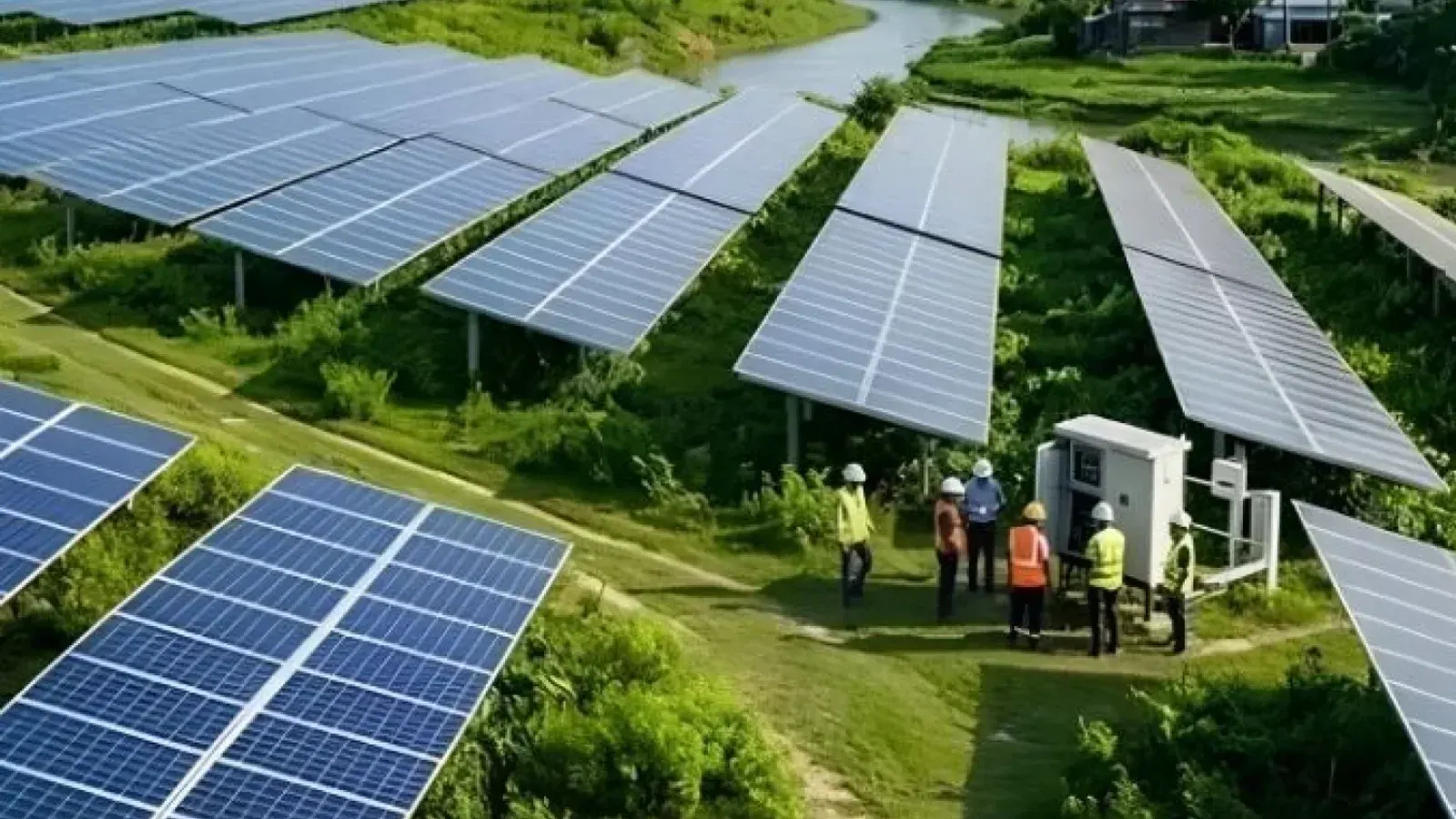
Bangladesh continues to make notable strides in the renewable energy sector through the development and operation of major solar power generation facilities across different regions of the country. Recent reports highlight the growing potential and implementation of solar power generation in Bangladesh, specifically focusing on key locations such as Sundarganj in Gaibandha and Tetulia in Panchagarh. These initiatives represent crucial steps toward enhancing the nation's energy capacity through sustainable and environmentally friendly power sources.
In Sundarganj, Gaibandha, the Teesta Solar Limited solar power plant has been successfully established with a substantial generation capacity of 200 megawatts (AC). This major energy infrastructure spans across approximately 650 acres of land, reflecting the massive scale of the operation required to harness solar power efficiently in the region. To ensure the generated electricity reaches consumers nationwide, the project includes a dedicated transmission line stretching approximately 35.70 kilometers.
The Teesta Solar Limited facility achieved a significant milestone by officially commencing electricity supply to the national grid on January 8, 2023. Furthermore, this landmark undertaking holds the distinct honor of being the very first private power project in Bangladesh to be successfully financed through a Sukuk bond, showcasing innovative financial mechanisms in the country's energy sector.
In addition to the operational plant in Gaibandha, further expansion is currently underway in the northern region of the country. Specifically, work is actively in progress for the implementation of the Karatoya Solar Limited solar power project located in Tetulia, Panchagarh. Once completed, this upcoming facility is expected to add another 30 megawatts (AC) of solar power generation capacity to the nation's growing renewable energy portfolio.