Bangladesh Power Generation Hit as Gas Shortage Idles Over 6,000 MW
A severe national gas crisis has forced the shutdown or partial operation of more than 6,000 megawatts of electricity generation capacity across Bangladesh. Power authorities report that dwindling fuel supplies have triggered rolling blackouts averaging over 2,000 megawatts daily this August.
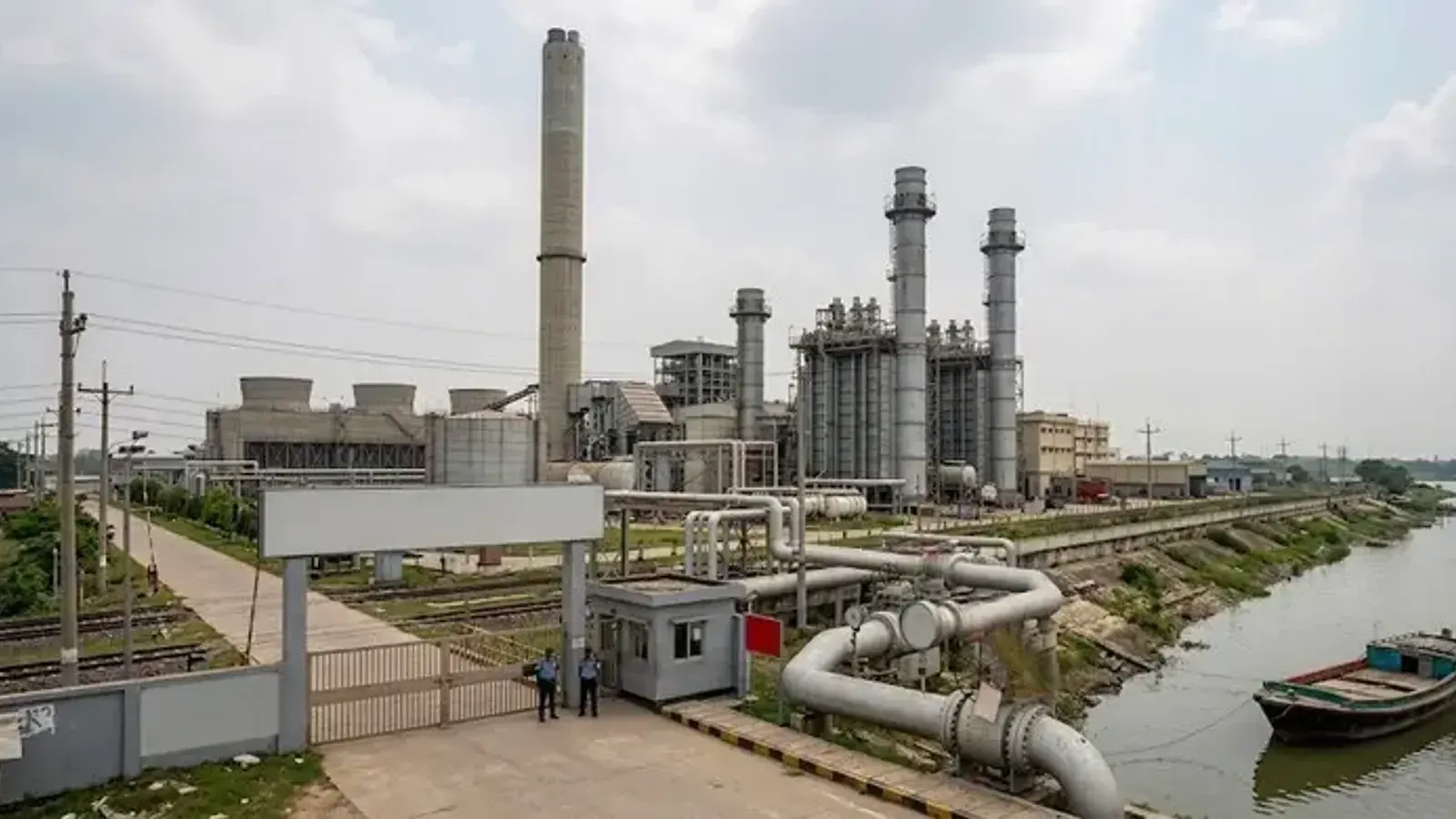
A severe national gas crisis in Bangladesh has forced the shutdown or partial operation of power plants accounting for more than 6,000 megawatts of generation capacity, according to official data released on August 20, 2026. The widespread energy shortfall has severely impacted the country's power grid, leaving dozens of generation facilities idle as fuel shortages continue to cripple national electricity output.
According to the official statistics, the country has a total of 52 gas-based power plants possessing a combined production capacity of 11,934 megawatts. Due to the acute shortage of natural gas, 21 of these facilities are now completely shut down, while another eight plants are operating only on a partial basis. This disruption prevents an additional 6,312 megawatts of electricity from being successfully added to the national grid.
Data from Petrobangla indicates that operating the nation's gas-fired power plants requires a daily supply of 2,525 million cubic feet of gas. While total national daily gas demand stands at approximately 3,800 million cubic feet, the maximum possible supply typically reaches around 2,800 million cubic feet. However, recent conditions have seen supply plummet further, dropping to between 2,100 and 2,200 million cubic feet per day.
The generation shortfall has caused severe power disruptions for consumers across Bangladesh. Throughout the current month of August, the country has experienced an average of more than 2,000 megawatts of load shedding daily. The crisis peaked on the midnight after August 10, when rolling blackouts surged dramatically to reach 3,700 megawatts.
The financial impact of the gas shortage is also significant, as gas-based power generation is considerably cheaper than alternatives. Producing a single unit of electricity at a gas-fired plant costs roughly 5 to 6 Taka, compared to 10 to 14 Taka for coal-based plants and 25 to 35 Taka for oil-fired facilities. To help mitigate the crisis, the gas allocation for power plants was increased to nearly 1,000 million cubic feet per day starting from August 13, which subsequently allowed production to rise from 4,500 megawatts to 5,500 megawatts.
Addressing the ongoing crisis, Monir Hossain Chowdhury noted the severity of the situation. "There is nothing left to hide regarding the gas and energy crisis," Monir Hossain Chowdhury stated, adding that the government is actively attempting to launch two additional LNG terminals promptly. However, he cautioned that completing these terminals will require two years, emphasizing that continuing LNG imports remains the only available method to increase gas supply at the present moment.