Bangladesh Moves to Privatize 44 State-Owned Industrial Enterprises
The government of Bangladesh has launched a new initiative to transfer 44 state-owned industrial enterprises into the private sector. The sweeping plan includes auctioning off approximately 10,000 acres of agricultural land currently dedicated to sugarcane cultivation.
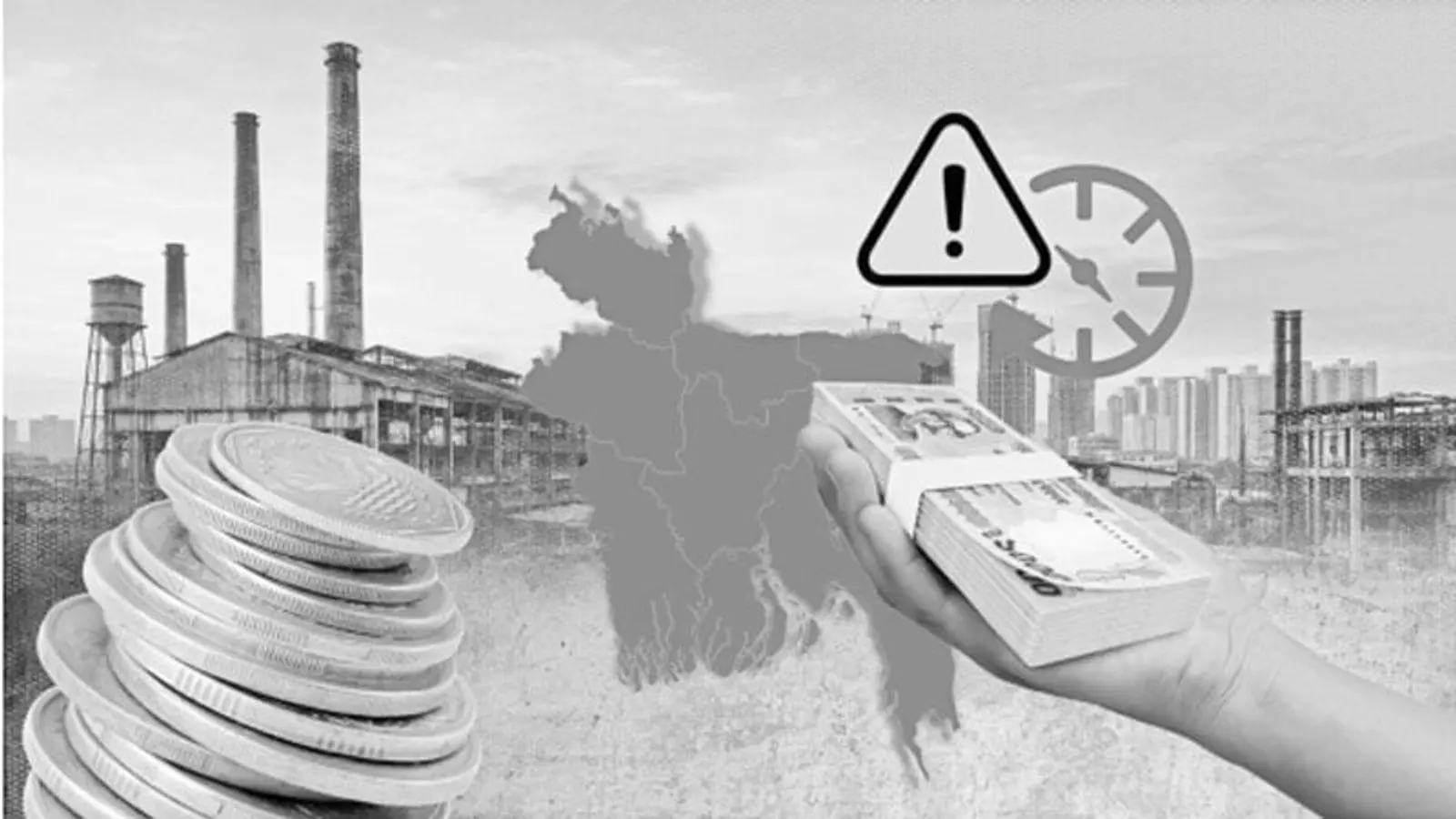
The government of Bangladesh has formally initiated a comprehensive process to privatize a significant number of state-owned enterprises. According to the latest official plans, a total of 44 state-owned industrial institutions are slated to be handed over to the private sector. This major policy move marks a notable shift in the country's industrial management strategy and has drawn considerable attention from policymakers and economic observers alike.
As part of this privatization initiative, extensive land assets tied to the industrial sector are also set to be liquidated. Specifically, the government has confirmed that approximately 10,000 acres of agricultural land historically utilized for sugarcane cultivation by various sugar mills will be put up for public auction. This land transfer represents a critical component of the broader effort to divest state holdings in industrial agriculture and manufacturing.
Historical context surrounding the privatization of state industries in Bangladesh highlights previous challenges with similar economic transitions. Data from a World Bank report published in 1994 provides a sobering look at the long-term outcomes of earlier divestment efforts. At that time, a detailed survey conducted on 488 industrial enterprises previously denationalized by the Ministry of Industries revealed widespread operational difficulties across the board.
According to the 1994 World Bank findings, only 214 of the privatized institutions—representing roughly 43.9 percent of the surveyed total—remained operational. In stark contrast, 133 facilities had completely shut down their operations, accounting for 27.3 percent of the total. Furthermore, the survey found that 141 institutions, or 28.9 percent, could not even be traced, leaving their actual status entirely unknown.
When combined, the data from the 1994 assessment demonstrates that a total of 274 institutions, which constitutes 56 percent of the surveyed privatized enterprises, either went out of business or became practically invisible over time. As the Ministry of Industries and international financial institutions observe the current landscape, these historical figures serve as a critical reference point for evaluating the potential risks and outcomes of the newly announced privatization drive.