
Bangladesh Moves to Create Uniform Rate Schedule for Public Engineering
Following bizarre overpricing scandals in state projects, the government has formed a committee to establish a single rate schedule for all public engineering agencies. Prime Minister Tareq Rahman chaired the decisive ECNEC meeting.

The government of Bangladesh has initiated a major reform to curb exorbitant prices and glaring disparities in public procurement by establishing a single, unified rate schedule (rate schedule) for all state engineering agencies. This significant decision comes in the wake of notorious historical overpricing scandals, such as the Ruppur Nuclear Power Plant project where the price of a single pillow was initially proposed at values ranging widely from 6,957 taka to 89,900 taka, and Chittagong Medical University where a pillow rate of 27,720 taka was famously suggested.
Further compounding the urgency for strict standardization, previous public sector proposals featured absurdly inflated costs for basic items, including goggles priced at 5,000 taka, hand gloves at 35,000 taka, and small micro-tubes used for blood tests listed at an astonishing 1,34,000 taka. These financial anomalies occurred against a shifting macroeconomic backdrop where the average value of the US dollar shifted from 84 taka in 2020 to 122 taka in the current period of 2026.
To address these systemic irregularities, a high-level directive was issued following a meeting of the Executive Committee of the National Economic Council (ECNEC). Held on May 13, 2026, in Dhaka, the crucial session was chaired by Prime Minister Tareq Rahman. Recognizing the urgent need to evaluate and overhaul existing procurement pricing frameworks, the ECNEC meeting formally resolved to constitute a dedicated committee.
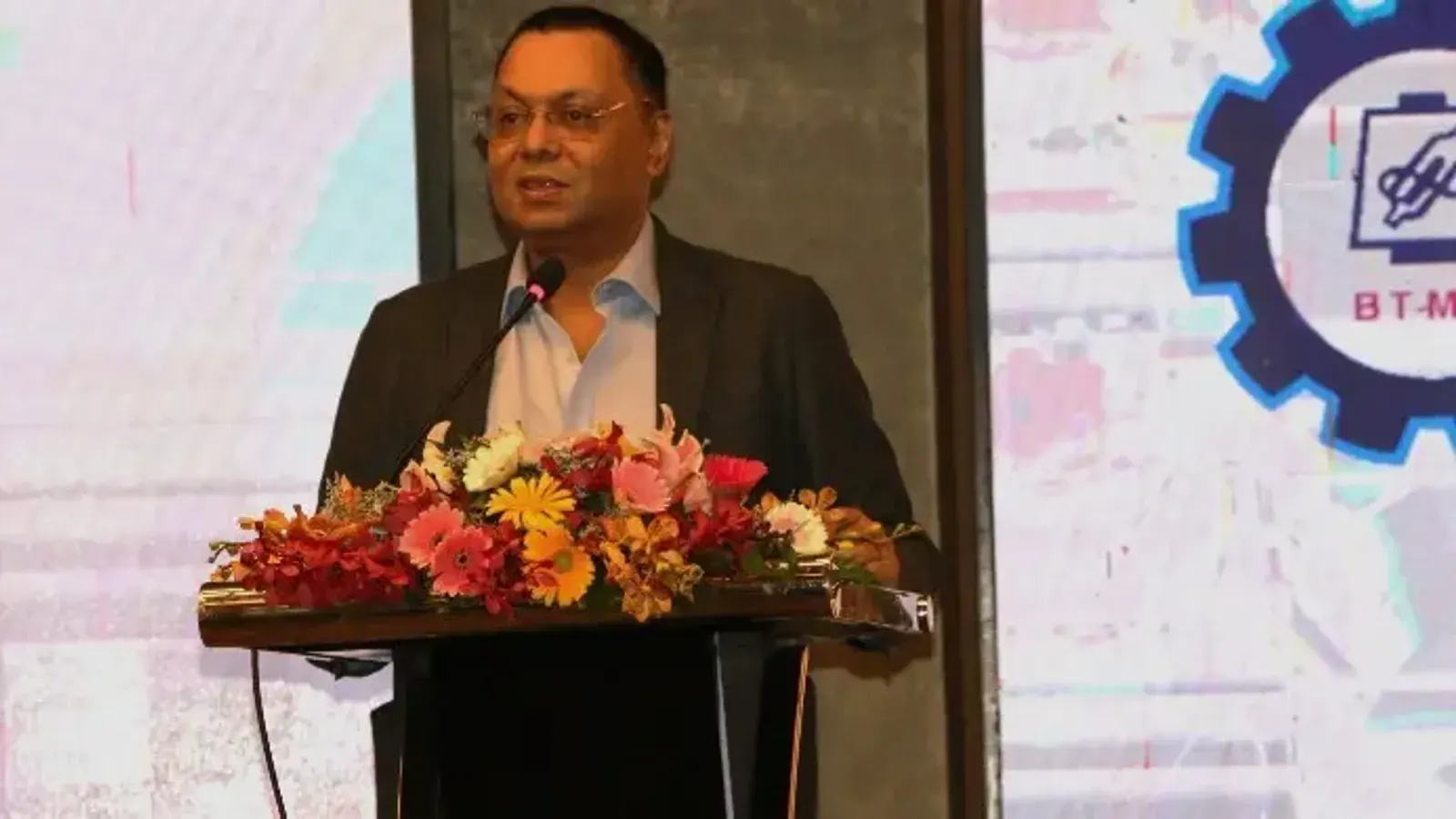
Finance and Planning Adviser Rashed Al Mahmud Titumir has been appointed as the convener of this newly formed committee. The panel has been entrusted with the critical responsibility of thoroughly evaluating and restructuring the current rate schedules used across the country's extensive network of public infrastructure and development administration.
The reform initiative directly impacts numerous key state bodies involved in national construction and development, encompassing the Public Works Department, Roads and Highways Department, Local Government Engineering Department, Bangladesh Water Development Board, and the Department of Public Health Engineering. Other agencies under the purview of this standardization effort include the Health Engineering Department, Education Engineering Department, Civil Aviation Authority of Bangladesh, Bridge Division, Health Ministry, and ICT Division.
Additional entities operating within the broader sphere of national development and oversight include Prothom Alo, the World Bank, the Bangladesh Institute of Development Studies, the Bangladesh Bureau of Statistics (BBS), the Implementation Monitoring and Evaluation Division, the Planning Commission, Bangladesh University of Engineering and Technology (BUET), and the Bangladesh Public Procurement Authority (BPPA). Through this comprehensive administrative coordination, the government aims to establish absolute financial transparency and eliminate extreme cost variances across all future public engineering projects.