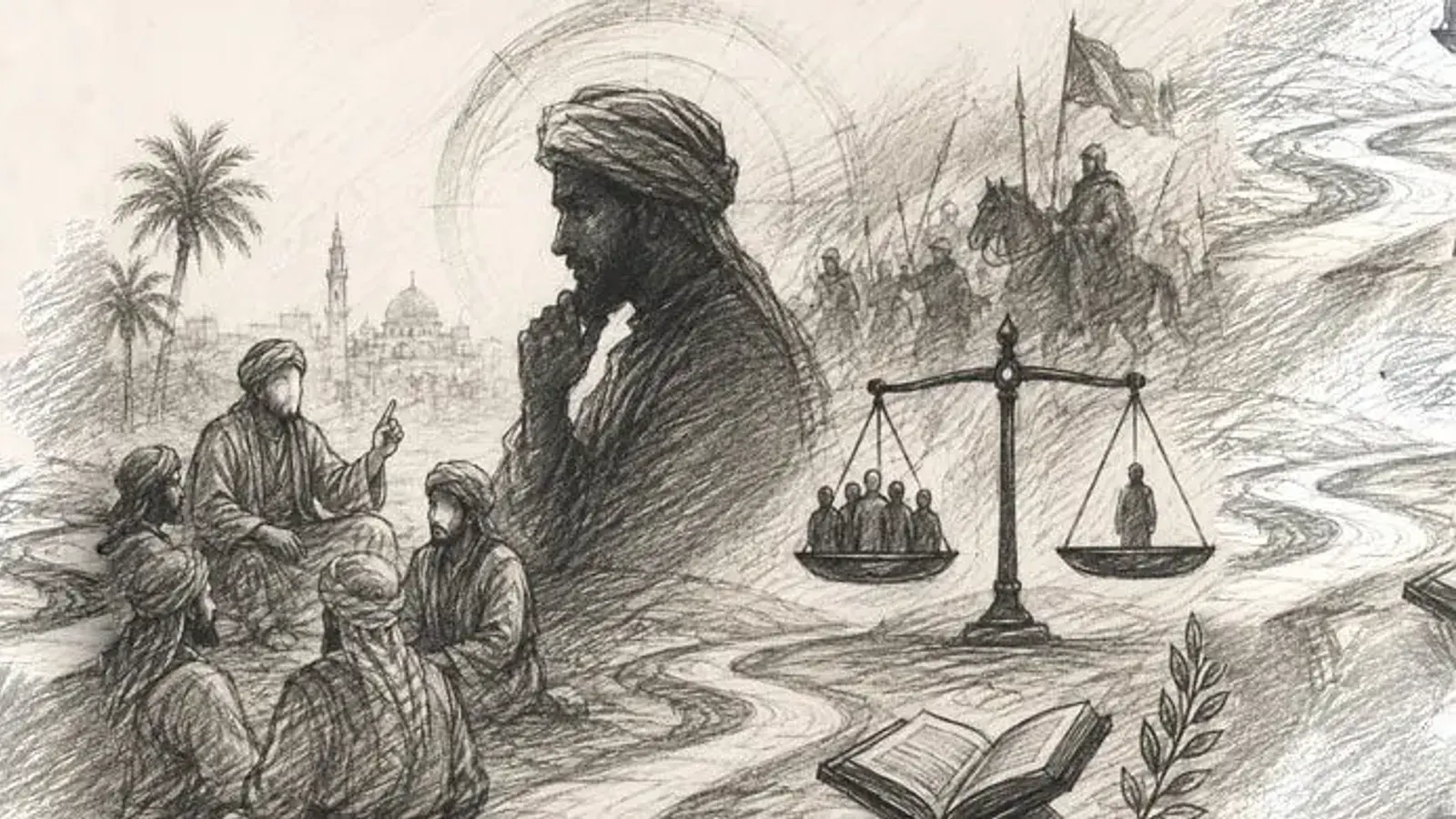

Bangladesh Indigenous Communities Face Severe Water and Sanitation Hurdles
Discussions highlight acute water, sanitation, and hygiene challenges among Indigenous populations in Bangladesh. Experts note that conventional technologies often fail to suit the unique geography of remote settlements.
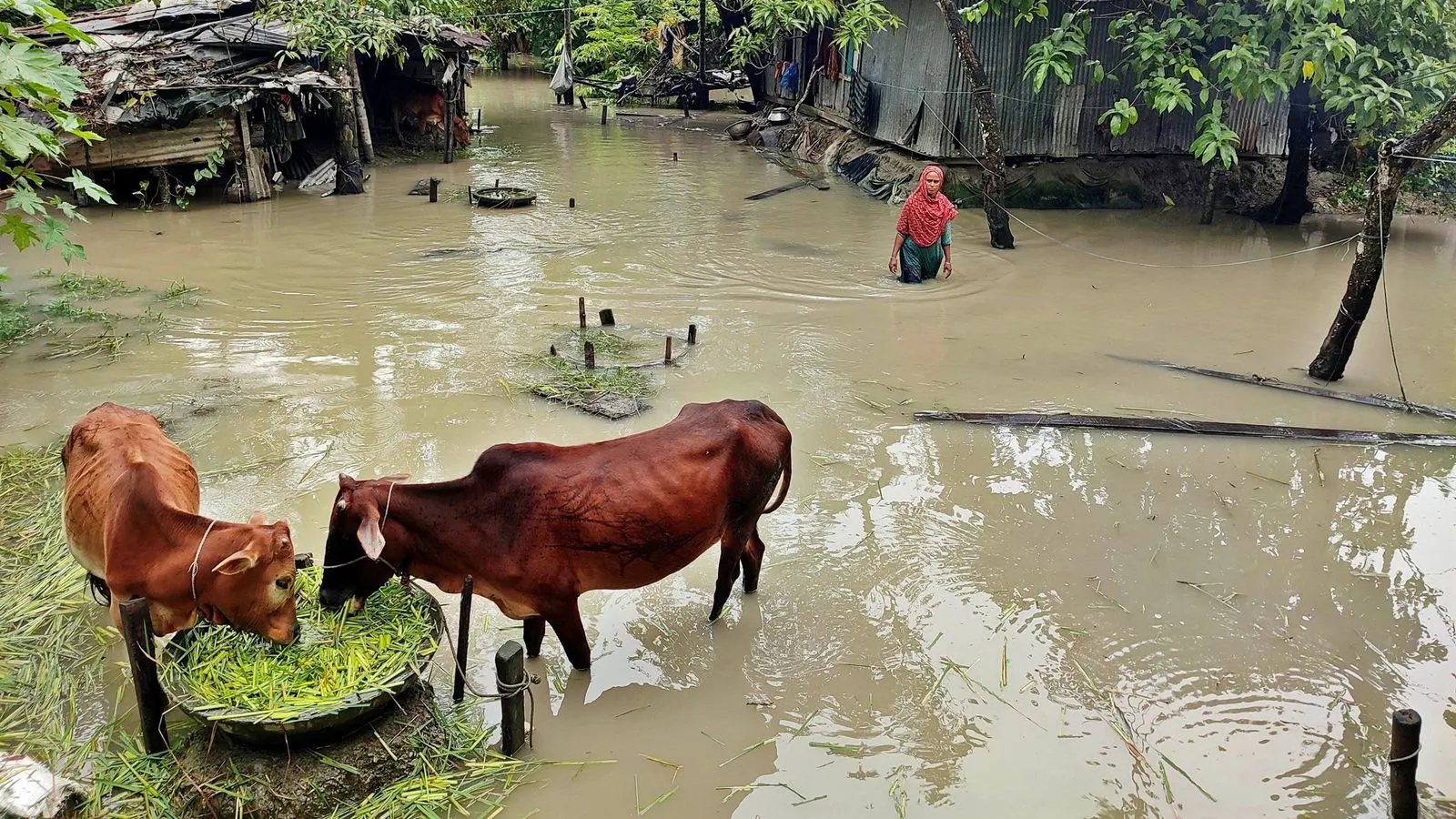
A critical discourse concerning water, sanitation, and hygiene (WASH) challenges and Indigenous knowledge has shed light on the severe hardships faced by Indigenous populations across Bangladesh. The discussions, which took place on August 19, 2026, brought renewed attention to the compounding difficulties that marginalized communities encounter in their daily lives regarding basic public health infrastructure and resource availability.
According to the verified reports originating from the region, Indigenous communities residing in various parts of Bangladesh—including the Chittagong Hill Tracts, the northern plains, the Sylhet division, and coastal regions—continue to grapple with profound WASH obstacles. These overlapping crises affect fundamental aspects of daily survival, public health, and human dignity for thousands of residents living in geographically isolated areas.
A primary concern highlighted during the assessments is the persistent difficulty in securing access to safe drinking water within remote settlements. Due to the lack of modern municipal supply networks or deep tube wells in these isolated zones, local inhabitants are frequently forced to depend heavily on alternative, often unreliable sources. These include natural springs known locally as chhara, seasonal rainwater harvesting methods, and small, unprotected streams.
Compounding the water crisis are significant technological and infrastructural mismatches in sanitation planning. Conventional sanitation technologies and latrine designs that have been successfully deployed across the general floodplains of Bangladesh often prove entirely inadequate and unsuited for entirely different topographies, such as steep hillsides or widely dispersed rural settlements.
The August 19 discussions emphasized that addressing these deep-seated disparities requires a careful examination of traditional Indigenous knowledge alongside modern developmental approaches. As stakeholders continue to evaluate the situation in Bangladesh, the findings underscore an urgent need for customized, region-specific WASH interventions that respect local topographies and the lived realities of Indigenous populations.