
Bangladesh Energy Crisis Explored Amid LNG Import Dependency
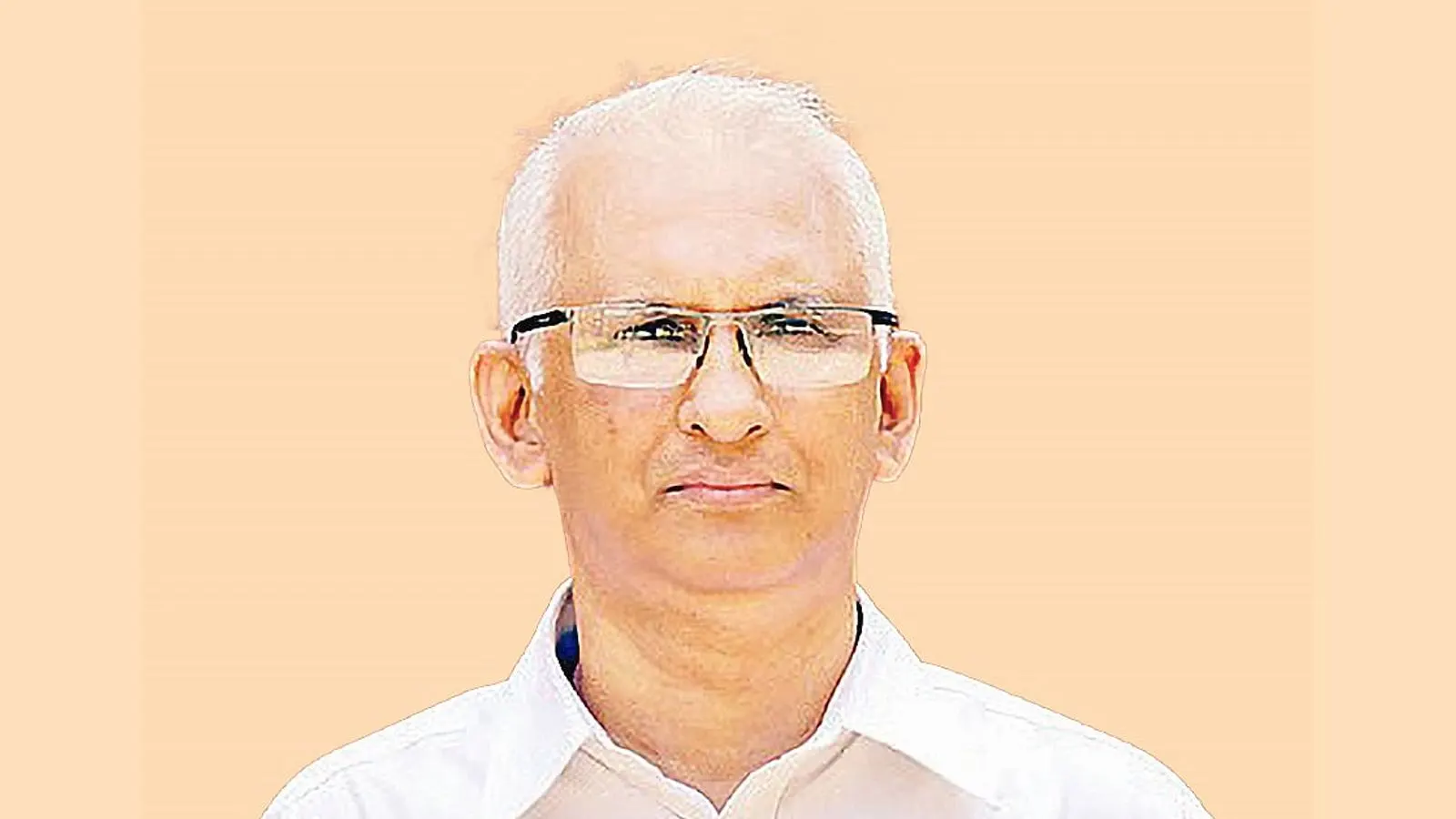
Bangladesh faces a critical energy situation as liquefied natural gas imports account for a significant portion of the nation's total gas supply. Former BUET Pro-Vice-Chancellor Abdul Hasib Chowdhury has provided insights and recommendations regarding power management.
Bangladesh is currently navigating a complex energy crisis defined heavily by its reliance on imported energy resources to sustain domestic power generation and industrial operations. According to official data concerning the country's energy infrastructure, liquefied natural gas (LNG) imports now constitute between 35 and 40 percent of the total gas supply currently available within the nation. This high level of import dependency leaves the country vulnerable to fluctuations in the international market, supply chain disruptions, and foreign exchange constraints, all of which directly impact the stability of the national grid.
Amid these ongoing challenges related to energy security and resource management, Abdul Hasib Chowdhury, a former Pro-Vice-Chancellor of the Bangladesh University of Engineering and Technology (BUET)—known locally as Bangladesh University of Engineering and Technology (বাংলাদেশ প্রকৌশল বিশ্ববিদ্যালয়) and বুয়েট—has offered significant recommendations for improving power management across Bangladesh. His expert insights focus on navigating the acute pressures placed on the country's electricity generation and distribution networks during periods of peak demand.
Detailed analyses highlighted in the discussions surrounding the current energy landscape point to specific high-consumption sectors that strain the national grid. During the intense heat of the summer months, a substantial share of the additional electricity demand is driven by the widespread use of air conditioners. Statistical assessments indicate that the electricity demand generated by air conditioning units alone during these hot periods reaches approximately 6,000 megawatts, creating an immense load on power plants.
Compounding this seasonal surge in electricity consumption are other systemic loads, including the charging requirements for various battery-powered transport and backup systems operating nationwide. Typically, the charging of these batteries occurs during the nighttime hours, a routine process that places an additional continuous demand of roughly 700 megawatts on the power infrastructure when overall baseline generation is often lower.
The broader discourse on the energy sector in Bangladesh also intersects with political and institutional contexts, involving entities such as the Awami League (আওয়ামী লীগ). As policymakers, academic experts, and administrators grapple with these interconnected statistics, the recommendations put forward by former BUET Pro-VC Abdul Hasib Chowdhury serve as a critical reference point for addressing the structural challenges of energy distribution, resource allocation, and demand-side management in Bangladesh.