

Bangladesh Bank Issues New Directives for Foreign Workers' Bank Accounts
Bangladesh Bank has issued a new circular outlining updated directives for opening bank accounts for foreign nationals working in the country. The instructions were officially released by the central bank's Banking Regulation and Policy Department-1.
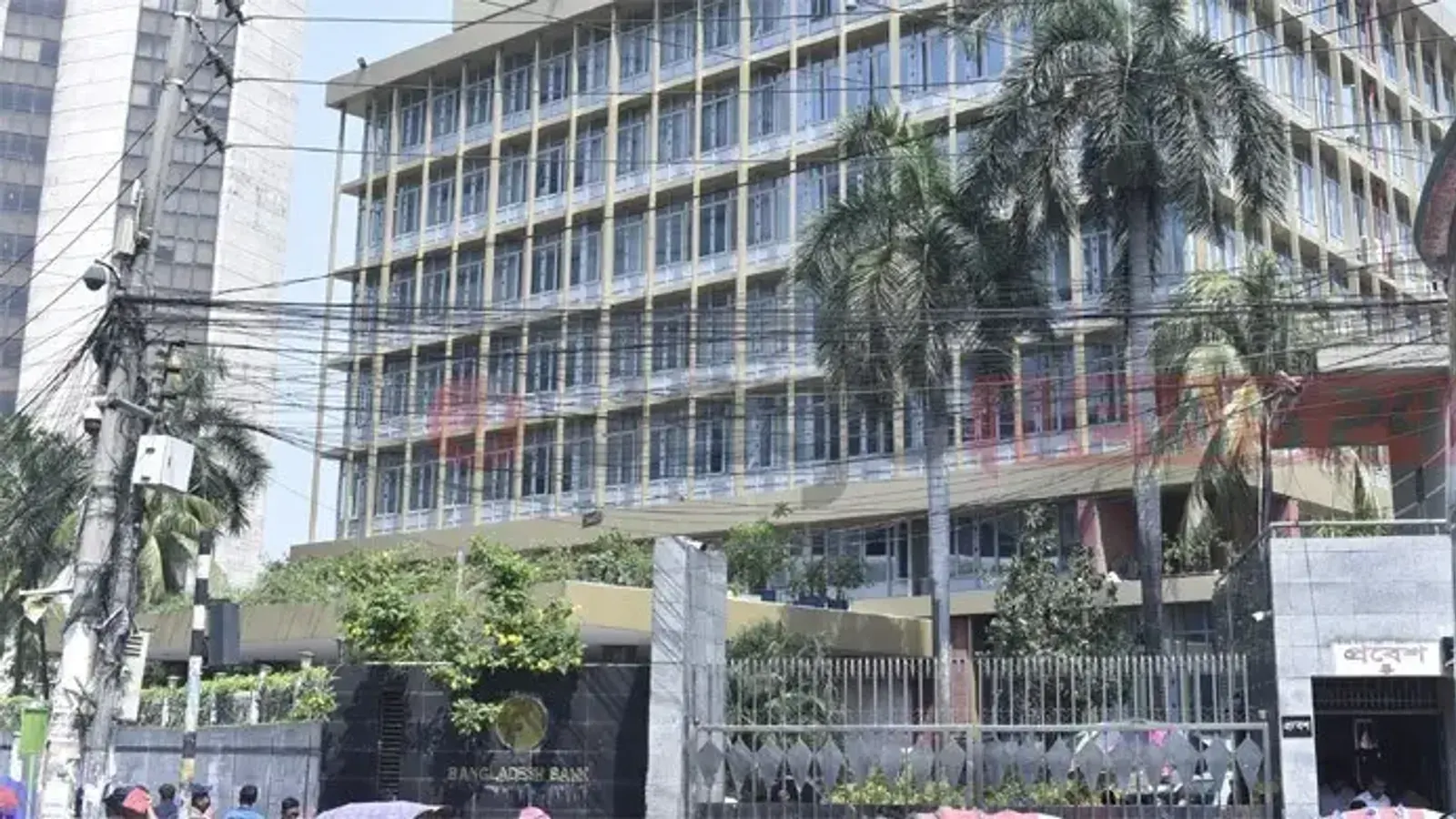
Bangladesh Bank has introduced comprehensive new regulatory instructions concerning the opening of bank accounts for foreign nationals who are currently employed within the country. This significant regulatory development was officially formalized and communicated through a designated circular letter issued by the central bank authorities.
According to the official announcement, the issuance of these specific directives took place on the nineteenth day of August in the year 2026. The policy framework and associated instructions originated directly from the Banking Regulation and Policy Department-1, which operates under the administrative and regulatory umbrella of Bangladesh Bank.
The newly established guidelines outline the precise conditions under which financial institutions operating within the national territory are permitted to facilitate account creation for expatriate workers. A core provision of these instructions dictates that foreign nationals must possess updated and valid official work permits in order to be eligible for opening a bank account.
Furthermore, the regulatory framework clarifies that individuals working under the 'A-3' category, alongside various other designated employment visa classifications, are duly permitted to establish and maintain banking accounts under these updated rules. This ensures that foreign professionals holding the specified visa categories can systematically access necessary domestic financial services while engaged in employment within Bangladesh.
The implementation of these directives is expected to streamline and regulate the administrative procedures that commercial banks must follow when dealing with expatriate clientele. Financial institutions across the country are now required to strictly adhere to these updated parameters as outlined in the August 2026 circular letter issued by the central bank's specialized department.