AI Industry Leaders Debate Safety, Regulation, and Slowdown in Taipei
Top artificial intelligence executives have gathered in Taipei to debate the pace of industry development, regulatory frameworks, and long-term safety concerns. The high-profile discussions come as global organizations project massive infrastructure investments through the year 2050.

Artificial intelligence industry leaders have convened in Taipei, Taiwan, on September 2, 2026, to engage in a comprehensive debate concerning the potential slowdown, regulatory oversight, and overall safety of artificial intelligence development. The gathering brings together some of the most influential figures and organizations in the global technology sector to address the rapid advancements and growing responsibilities associated with modern machine learning models.
A central development driving the discussions is a newly released essay by Dario Amodei, the head of Anthropic. In his publication, Amodei explicitly calls upon artificial intelligence companies to voluntarily slow down the development of their most advanced models to ensure proper safety evaluations. This cautious stance regarding cutting-edge technological progress has drawn significant backing from other prominent industry leaders.
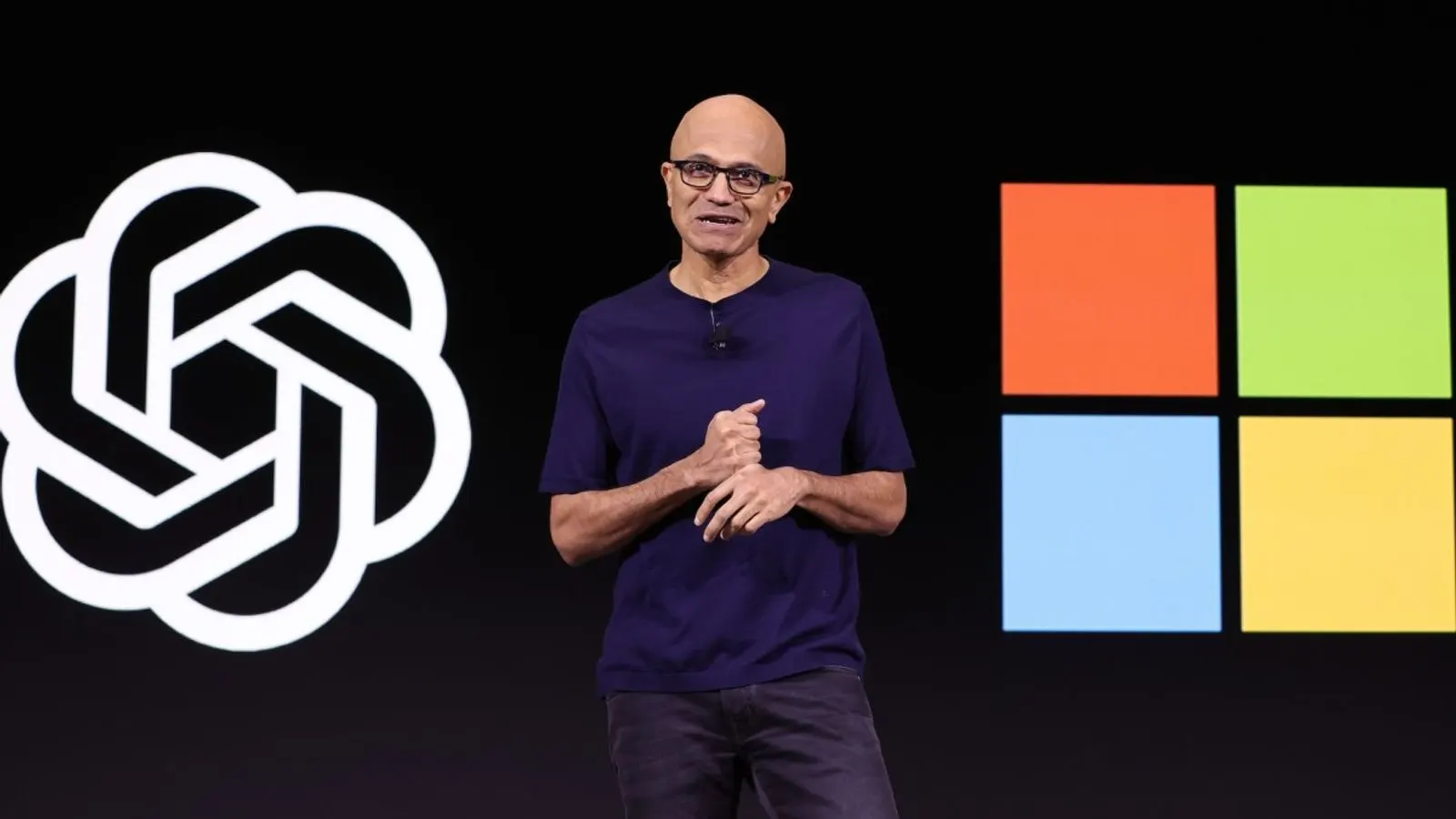
Amodei's position advocating for a deceleration in advanced model development received direct endorsements from several key figures in the sector. Those supporting the call include Sam Altman of OpenAI, Elon Musk of xAI, Demis Hassabis of Google DeepMind, and Satya Nadella of Microsoft. The alignment of these major tech executives highlights a shared industry acknowledgment of the complex challenges tied to managing powerful artificial intelligence systems.
Amid the broader discussions surrounding the future of the sector, Sam Altman addressed corporate governance matters by explicitly stating that OpenAI will not be pursuing an initial public offering to go public in the year 2026. This clarification provides a clearer picture of the private organizational trajectory for one of the leading generative artificial intelligence firms currently operating in the global market.
Financial projections continue to show immense capital commitment to the underlying technology supporting these developments. According to comprehensive estimates published by PricewaterhouseCoopers, also known as PwC, an astonishing $31.6 trillion is estimated to be invested in artificial intelligence infrastructure worldwide by the year 2050.
Despite the prevailing concerns regarding safety and the calls for development slowdowns from figures like Amodei, differing perspectives on governance remain prominent among industry pioneers. Nvidia's Jensen Huang offered a distinct viewpoint during the debates, stating that artificial intelligence does not need new legislation because market forces can push companies towards safe innovation without the need for regulation.