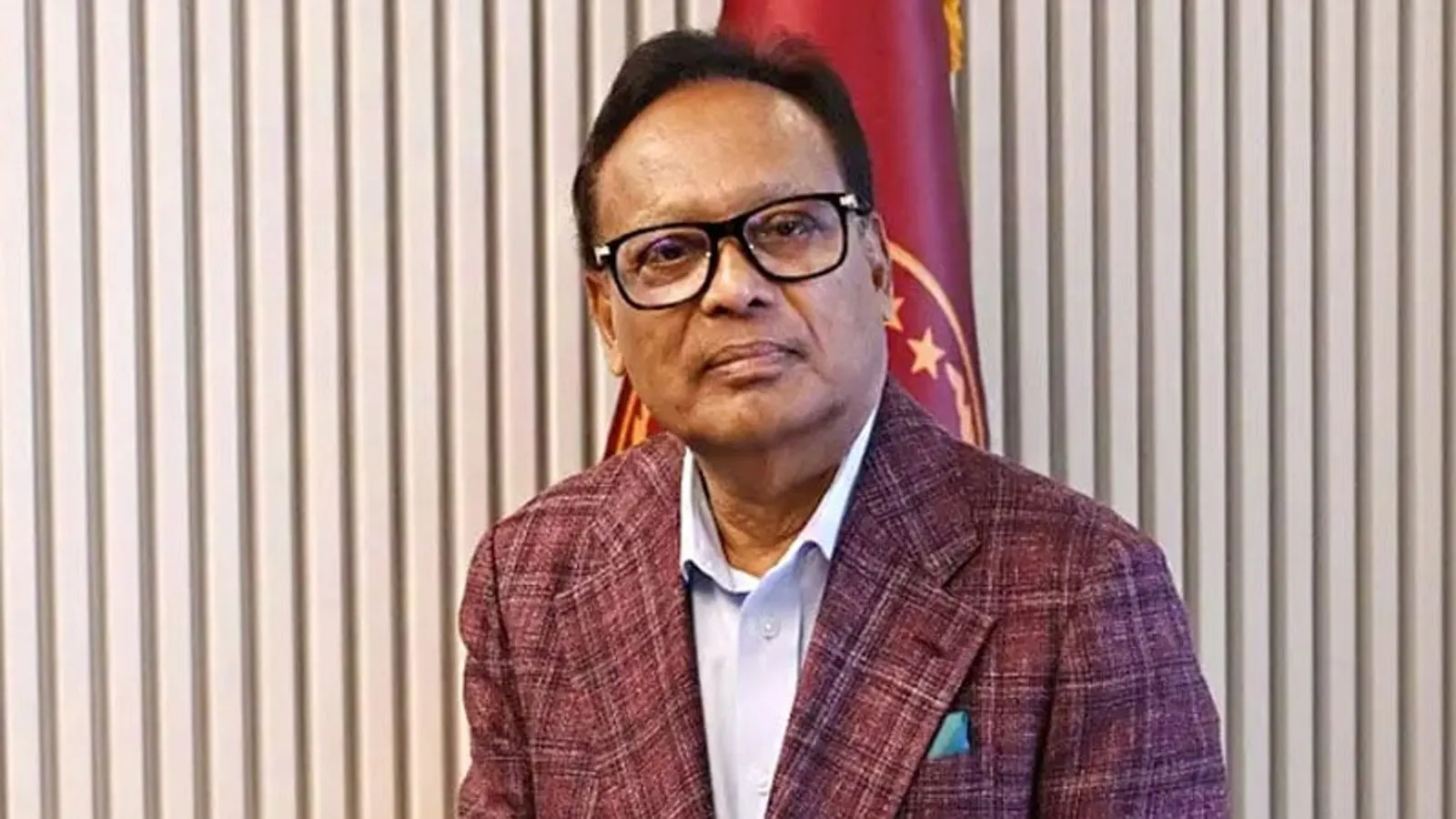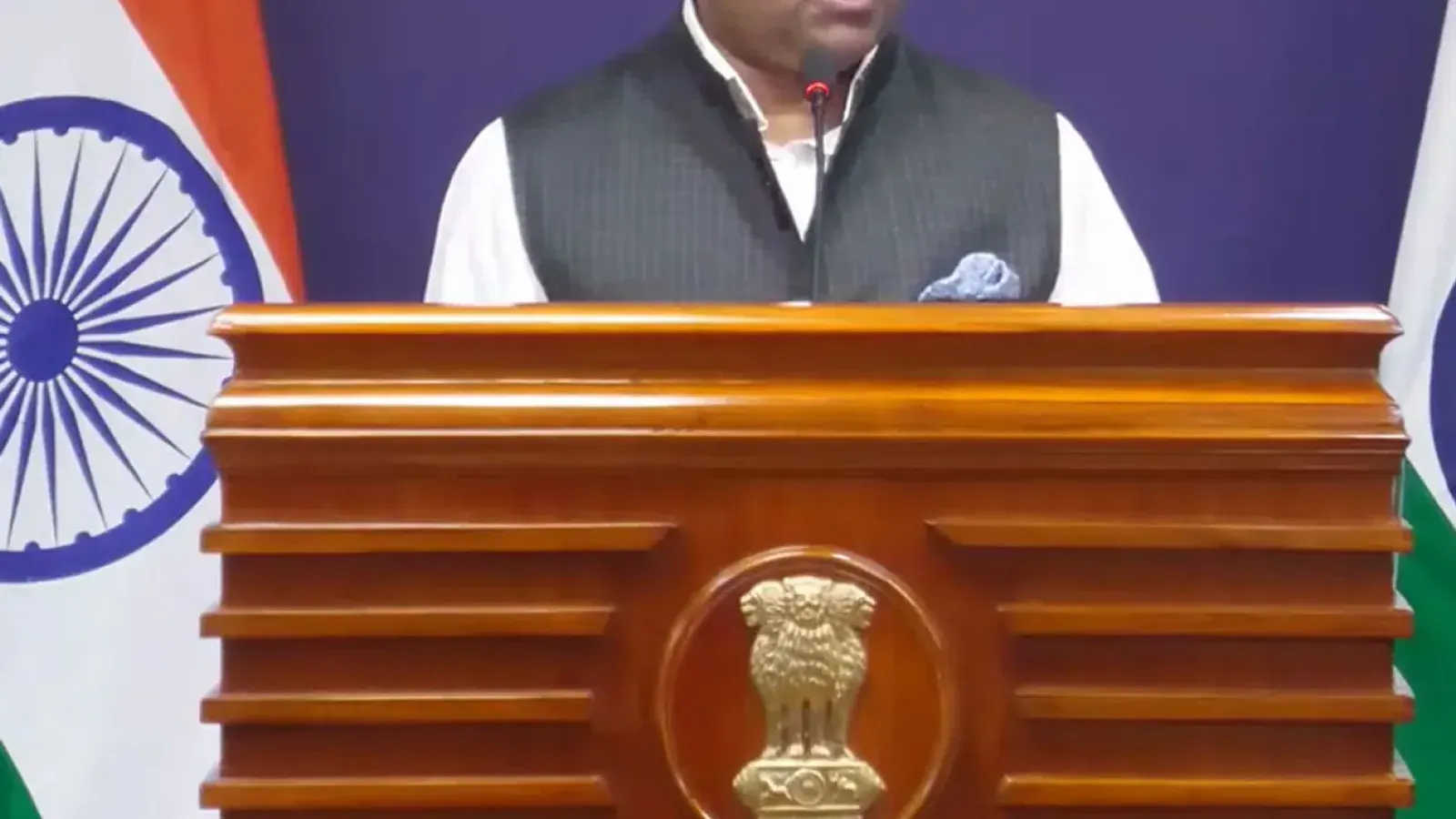

Afghan FM Amir Khan Muttaqi Invites US Investment in Mineral Wealth
Afghan Foreign Minister Amir Khan Muttaqi has invited the United States to invest in the country's vast mineral wealth, agriculture, and infrastructure. In an interview with the Financial Times, he emphasized looking past the 20-year war toward future cooperation.
KABUL — On August 31, Afghan Foreign Minister Amir Khan Muttaqi stated that the United States is welcome to invest in Afghanistan's untapped resources, including mining, infrastructure, agriculture, and trade. Speaking during an interview with the British media outlet the Financial Times, the senior Taliban government official outlined a vision for future bilateral relations that moves beyond past conflicts.
Highlighting the economic potential of the war-torn nation, Minister Muttaqi noted that Afghanistan holds approximately one trillion dollars worth of extractable mineral deposits. These vast subterranean riches represent a significant opportunity for international economic engagement, particularly as the current administration looks to rebuild and develop the country's domestic economy through strategic foreign investments.
Addressing the historical context of diplomatic relations, Muttaqi specifically asserted that ties between Washington and Kabul should not be evaluated solely through the lens of the twenty-year war. Instead, he urged the United States to evaluate the bilateral relationship on the basis of future cooperative engagement and mutual economic interests between the two nations.
The diplomatic overture comes in the wake of major geopolitical shifts in the region. In 2021, military forces led by the United States and the broader North Atlantic Treaty Organization (NATO) officially withdrew from Afghanistan after two decades of military involvement, following which the Taliban government swiftly resumed control over the country.
As the Taliban administration seeks broader international recognition and economic stabilization, it has actively engaged with various foreign powers regarding commercial and developmental projects. While Western nations grapple with diplomatic stances toward the current government in Kabul, neighboring and regional countries including China and Iran have also maintained complex diplomatic and economic interactions within the region.