

Writer Fahmidul Hannan Ropok Reflects on Jose Rizal's Legacy in Manila
Writer Fahmidul Hannan Ropok visits Rizal Park and Manila to reflect on the historical execution and legacy of Philippine national hero Jose Rizal. The journey explores the profound history spanning over three centuries and the famous execution site.
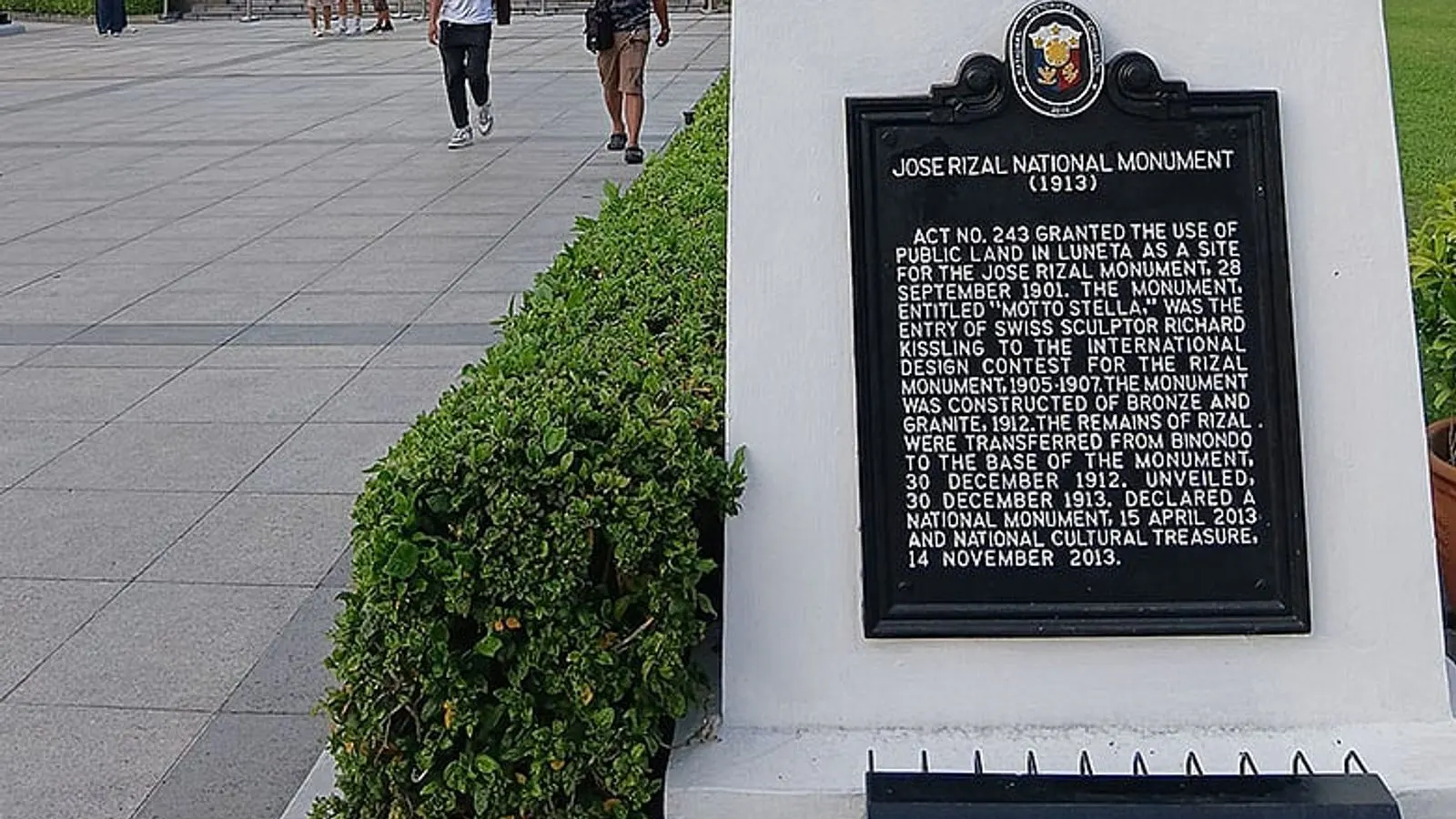
Writer Fahmidul Hannan Ropok recently visited Rizal Park and Manila, undertaking a profound reflection on the execution and history of Philippine national hero Jose Rizal. This visit brings into sharp focus the enduring legacy of a historical figure whose life and death remain deeply intertwined with the identity and national consciousness of the Philippines. Through this journey, the writer engages with the historical spaces that commemorate one of Southeast Asia's most prominent anti-colonial intellectuals and martyrs.
The historical significance of the location is anchored by the execution of Jose Rizal, which took place precisely on December 30, 1896. On that fateful morning, at exactly 7:03 AM, the thirty-five-year-old hero uttered his final words, 'Consummatum est,' before Spanish colonial authorities carried out the sentence ordered by Governor-General Camilo de Polavieja. This execution served as a critical turning point that further fueled the revolutionary fervor already championed by figures like Andres Bonifacio, ultimately reshaping the trajectory of the nation's history.
Spanning across a vast area of 140 acres, the modern Rizal Park stands as a monumental tribute to the national hero, drawing visitors from all walks of life who come to contemplate the weight of the past. The park's expansive grounds provide a serene yet poignant backdrop for remembering the struggles that occurred over three centuries of foreign domination. Within this sprawling urban sanctuary, history enthusiasts and everyday citizens alike can walk the very paths that intersect with the deep and layered narrative of the Philippine struggle for independence.
Beyond the historical boundaries of the park, Manila serves as the bustling gateway to an archipelago comprised of 7,641 islands. However, out of this immense geographical expanse, human settlements are found on only about two thousand of these islands, highlighting the unique and fragmented nature of the nation's geography. This rich island landscape forms the broader context of the country that Jose Rizal envisioned, wrote about, and ultimately gave his life to liberate from colonial rule.
The reflections of writer Fahmidul Hannan Ropok ultimately weave together the personal experience of visiting the monument with the monumental history of the Philippine nation. From the sprawling 140-acre park to the broader archipelagic nation of thousands of islands, the memory of Jose Rizal continues to resonate powerfully. This journey through Manila captures the enduring spirit of a hero whose sacrifice on December 30, 1896, left an indelible mark on the soul of the Filipino people.