Why Retro Video Games Look So Different on Modern Displays
An in-depth analysis breaks down the fundamental display technology differences between vintage CRT screens and modern flat-panel displays. The technical contrast explains why games from the 1980s, 1990s, and early 2000s look dramatically different today.
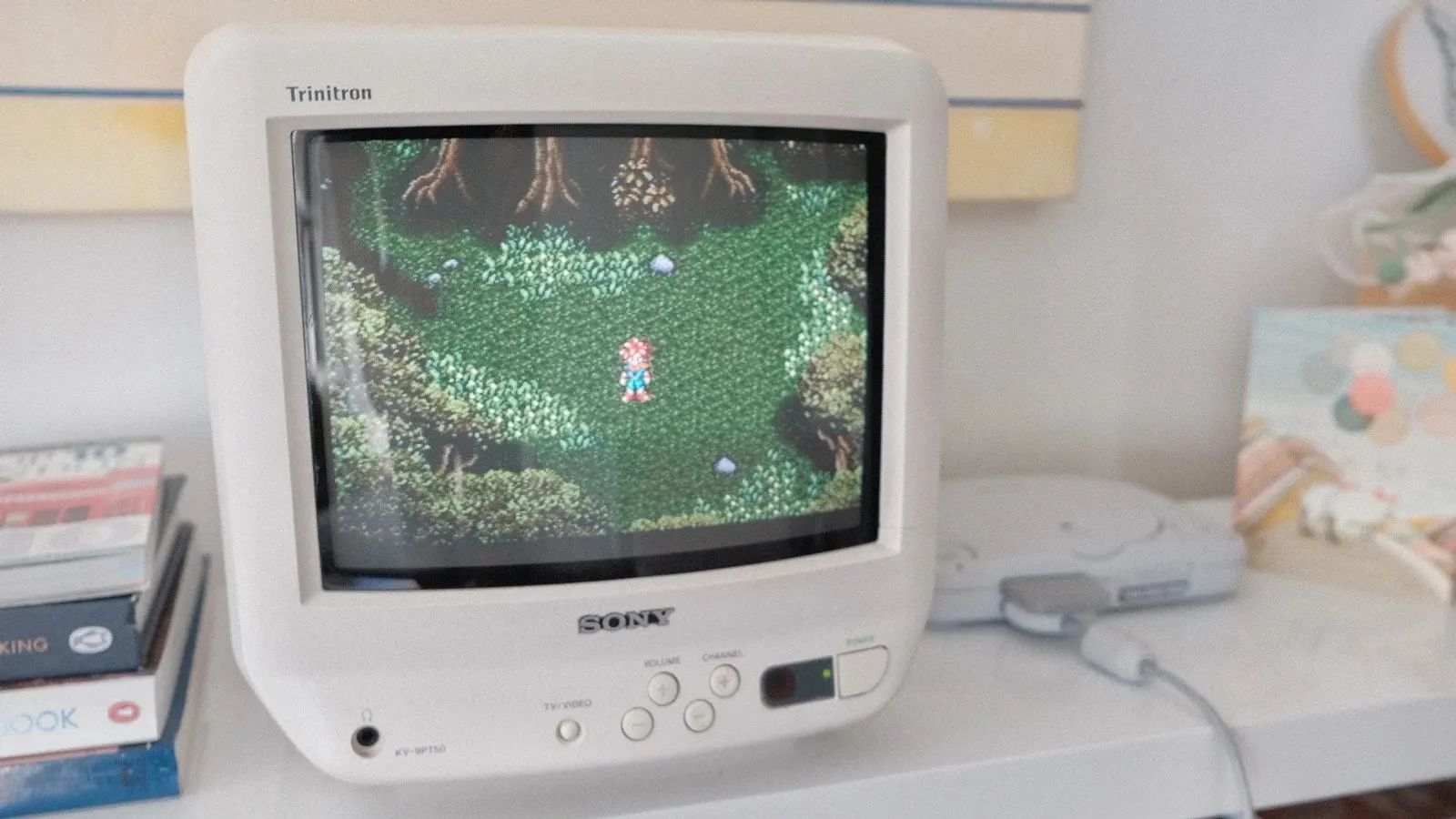
When examining classic titles from the 1980s, 1990s, and early 2000s, enthusiasts often notice a striking visual discrepancy between how these games appeared originally and how they render on modern technology. According to an analysis published by Igor Bonifacic for Engadget on June 27, 2025, this visual disconnect stems entirely from the fundamental hardware differences between vintage display units and contemporary screens. Specifically, retro video games were originally designed and optimized exclusively for cathode ray tube, or CRT, displays rather than the flat-panel monitors that dominate the market today.
The underlying mechanics of these legacy display systems shaped the artistic and technical choices of developers during the retro era. Unlike modern displays that rely on fixed individual pixels, CRT displays draw distinct horizontal scanlines across the screen. This visual process is achieved through the use of internal electron guns targeting phosphorescent screens, creating a very specific aesthetic that blended individual lines of resolution together naturally on the hardware of the time.
Furthermore, the console gaming industry established a standardized set of resolutions long before the introduction of the PlayStation 3 and the Xbox 360. Throughout the earlier decades of home console development, the industry standardized firmly around 240p and 480i resolutions. These lower resolutions were perfectly matched to the physical capabilities of the CRT monitors found in living rooms around the world during that period.
In stark contrast, modern LCD and OLED televisions operate on entirely different engineering principles. Instead of the dynamic electron gun and phosphor setup of older televisions, modern flat-panel displays utilize a sample-and-hold technique to present frames to the viewer. This sample-and-hold method fundamentally alters how motion and static images are perceived by the human eye when playing older software.
The technical challenges do not stop at pixel structure and display techniques, as handling legacy video signals creates additional hurdles for modern hardware. For instance, attempting to deinterlace 480i content on modern television sets inevitably introduces noticeable input lag. Companies like RetroTink have emerged to address these hardware translation issues, helping bridge the gap between vintage analog video signals and the digital inputs of contemporary flat-panel displays.