
Why AI-Generated Images of 1980s People Always Feature Curly Hair
Artificial intelligence tools frequently depict people from the 1980s with voluminous hair due to historical data interpretations. However, this artistic trend does not accurately reflect the reality that not everyone wore curly styles back then.
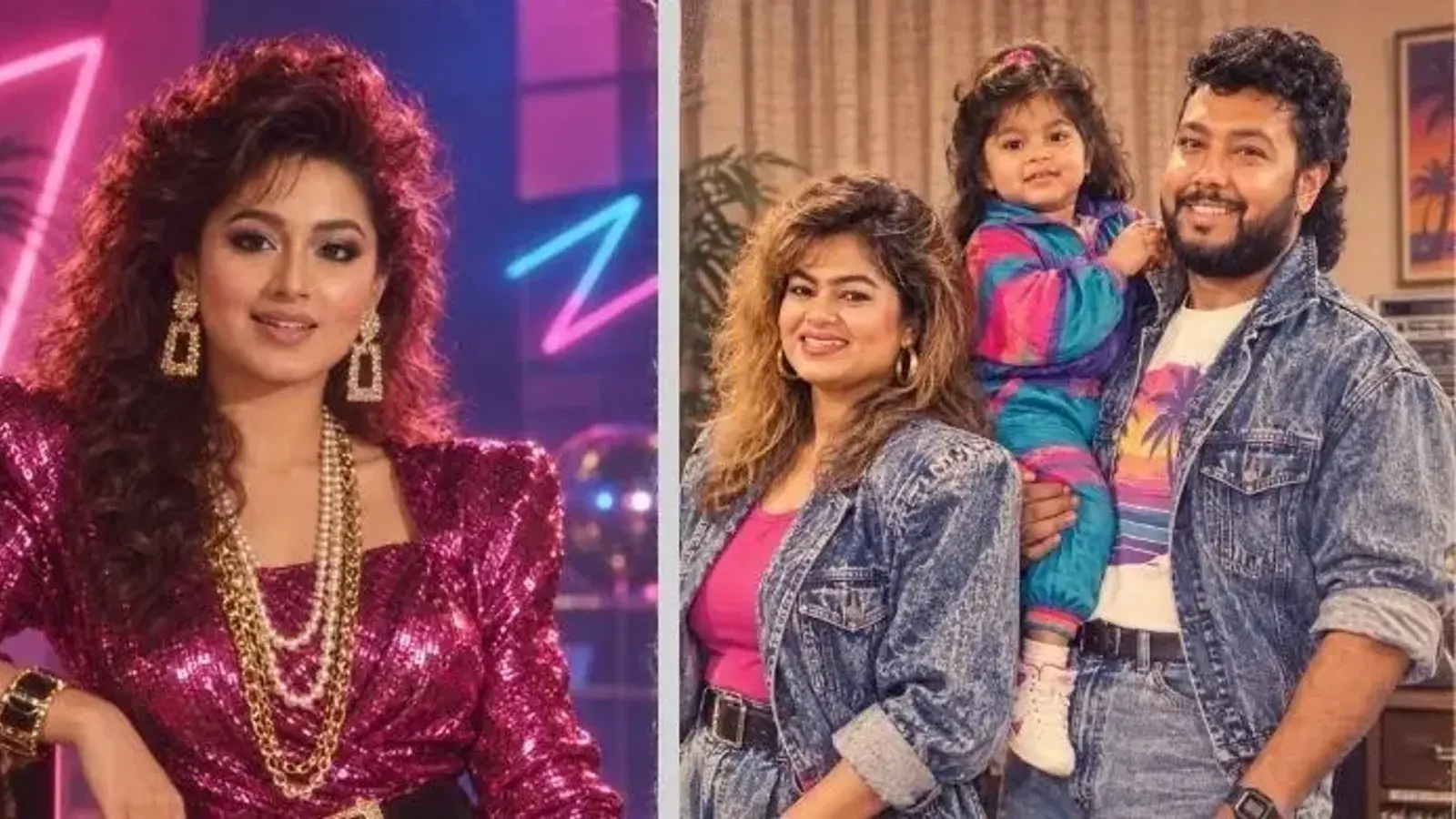
When users prompt artificial intelligence tools to create visual representations of the 1980s, the resulting images overwhelmingly share one distinct characteristic. Almost every individual generated in these digital scenes appears with voluminous, wavy, and permed hairstyles. This persistent aesthetic has become a defining feature of modern AI-generated retrospective imagery.
The prevalence of these big hairstyles in digital art stems directly from the cultural dominance of that decade. During the 1980s, voluminous, wavy, and permed hairstyles were exceptionally popular across society. This trend was largely driven by the profound influence of Western cinema, television broadcasts, and the era's vibrant pop culture, which cemented big hair as a primary visual marker of the period.
However, the consistency of curly hair in modern synthetic media reveals the operational mechanics of current technology. Artificial intelligence systems generate images based on user prompts and previously learned visual patterns rather than possessing any exact historical memory. When tasked with portraying the 1980s, the algorithm relies heavily on the most prominent cultural stereotypes it has indexed.
Despite the widespread adoption of perms and teasing during that era, the AI output creates a homogenized historical record. In actual fact, not everyone in the 1980s actually had curly hair. Everyday reality included a wide variety of straight, short, and understated hairstyles that are frequently overshadowed by the louder trends emphasized in modern digital art.
As artificial intelligence continues to shape how we visualize past decades, understanding these technical limitations remains crucial for historical accuracy. While the software successfully captures the spirit of Western pop culture influences, it simultaneously amplifies a specific stereotype. The resulting images offer a stylized interpretation of the past rather than a comprehensive or entirely factual portrayal of everyday life in the 1980s.