

US Treasury Sanctions Three Turkish Entities Over Iran-China Oil Trade
The United States Treasury Department has added three Istanbul-based entities, including Golden Global Yatirim Bankasi, to its Specially Designated Nationals list. The sanctions target activities related to the facilitation of Iran-China oil trade.
The United States Treasury Department has officially placed three Istanbul-based Turkish entities onto its 'Specially Designated Nationals' (SDN) list, citing their involvement in facilitating the trade of oil between Iran and China. This sweeping international regulatory action targets critical financial and corporate nodes operating within Turkey's commercial hub, drawing significant attention from global sanctions compliance experts and geopolitical analysts alike across Washington and Istanbul.
Among the targeted organizations is Golden Global Yatirim Bankasi Anonim Sirketi, alongside its associated firms Golden Global Portfoy Yonetimi Anonim Sirketi and Golden Global Varlik Kiralama Anonim Sirketi. Financial records indicate that in 2025, Golden Global Yatirim Bankasi held total assets valued at approximately 25 billion Turkish lira, which equates to roughly 516.63 million US dollars. Despite the severe designations imposed by the United States authorities, the institution has firmly rejected the allegations brought forward by the American government.
The punitive measures were enacted through the Office of Foreign Assets Control, a division of the US Treasury Department. Commenting on the aggressive financial enforcement action, officials emphasized the broader geopolitical strategy targeting economic networks that sustain sanctioned regional powers. The measures are specifically designed to disrupt financial channels and operational logistics connected to the Islamic Revolutionary Guard Corps and its extensive international commercial dealings.
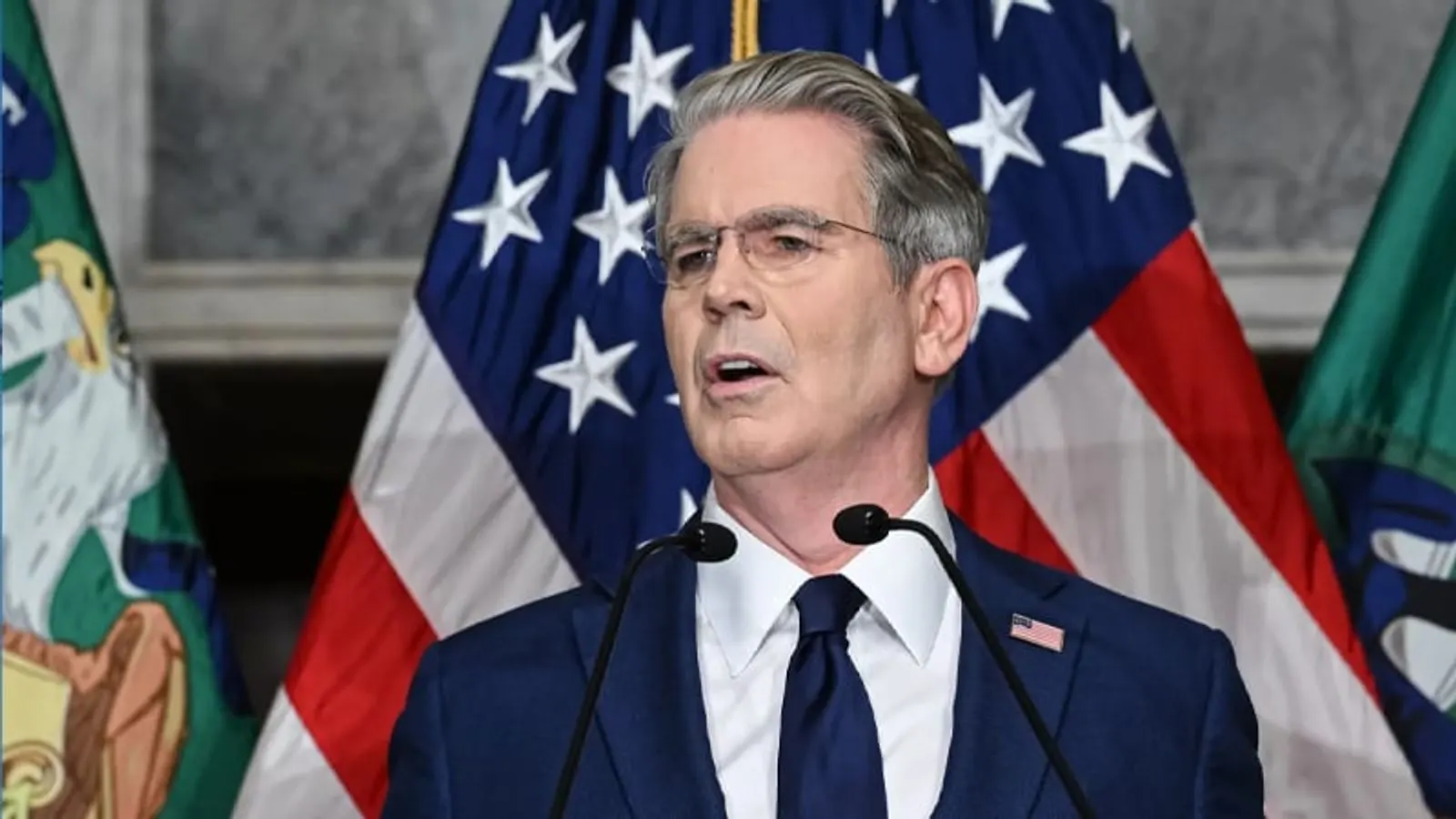
Addressing the international enforcement measures, Scott Bessent issued a direct statement regarding the punitive actions taken by Washington. According to Scott Bessent, this step serves as a clear message for institutions that assist in commerce involving Iran and the country's Islamic Revolutionary Guard Corps. The statement underscores the ongoing United States enforcement priorities concerning secondary sanctions and illicit oil shipping networks operating across borders.
The latest designations highlight ongoing international scrutiny regarding financial institutions and corporate structures that allegedly assist in processing transactions for sanctioned actors. As the situation develops, compliance officers, risk management specialists, and international financial markets continue to assess the broader implications of these sanctions on Turkish-American diplomatic relations and regional banking operations involving Middle Eastern energy markets.