US Television Broadcasting Evolves From Analog To Digital And NextGen TV
America's broadcasting network fully transitioned from analog to digital television by 2009. Meanwhile, streaming reached roughly 47.6% of US viewing habits by April 2026.
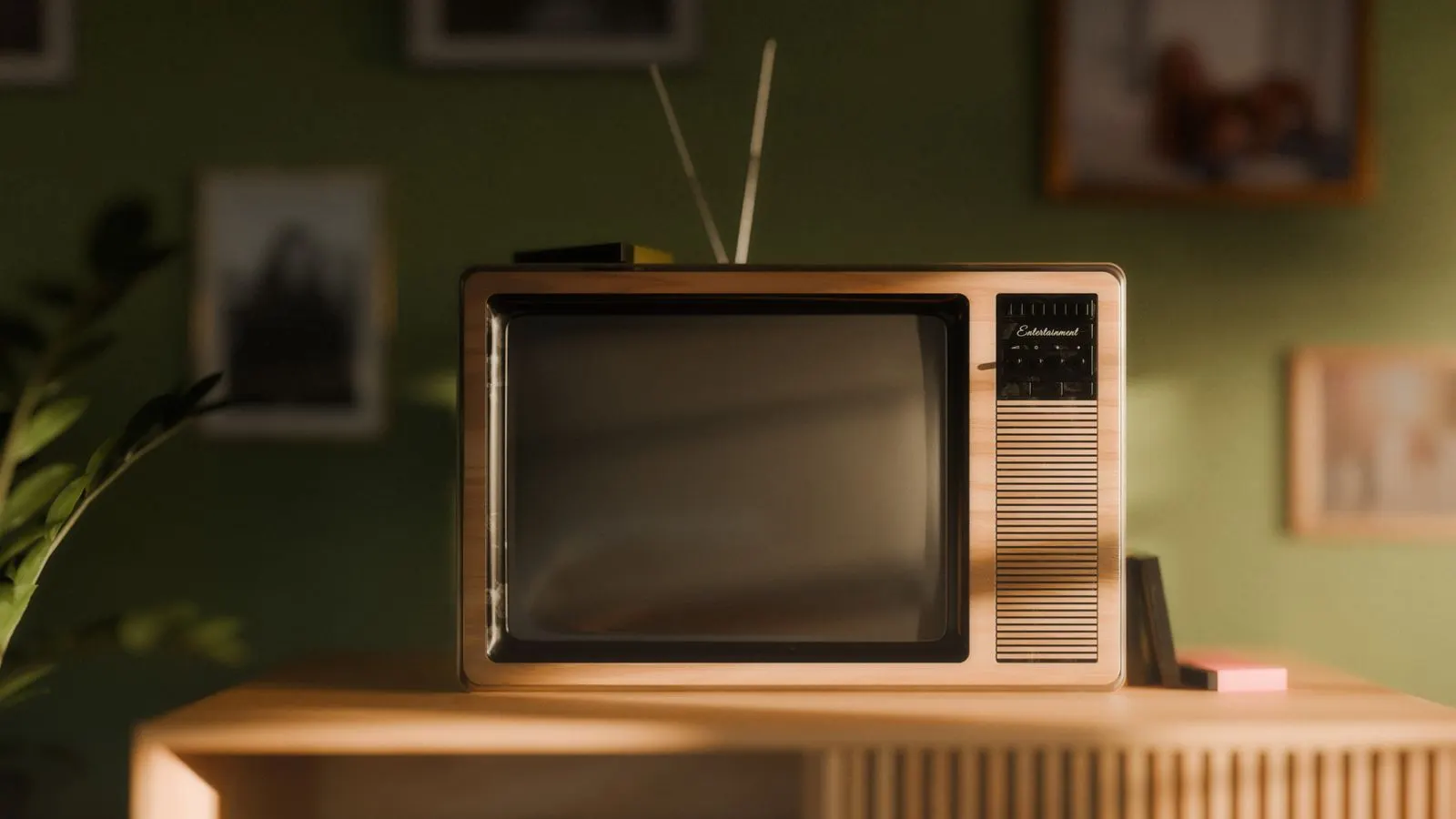
The landscape of television broadcasting in the United States has undergone a monumental and historic transformation over the past several decades. The foundational era of television relied heavily on traditional analog broadcasting methods to deliver video and audio content to households across the nation. Specifically, analog television systems operated by transmitting video and audio signals utilizing Very High Frequency (VHF) and Ultra High Frequency (UHF) channels.
As technology progressed and the media industry demanded higher quality and greater efficiency, the regulatory and operational landscape shifted dramatically. A major milestone in this technological evolution occurred when America's broadcasting network officially and fully transitioned from traditional analog television over to digital television by the year 2009. This nationwide digital conversion laid the critical groundwork for modern broadcasting standards and paved the way for subsequent innovations in television delivery.
In the years following the digital transition, the ways in which American audiences consume media have continued to diversify at a rapid pace. According to findings released by Nielson, streaming services experienced a massive surge in popularity, rising to account for roughly 47.6 percent of total United States viewing habits by April 2026. This significant shift highlights how modern viewers increasingly favor on-demand digital platforms alongside traditional broadcast options.
Despite the exponential growth of internet-based streaming and the long-established digital transition, traditional broadcast methods have maintained a notable presence in American households. Data indicates that over-the-air (OTA) broadcasts continue to be utilized in roughly 20 percent of homes across the United States. This enduring reliance demonstrates that free, over-the-air television remains a vital component of the nation's media consumption habits even as the industry moves forward into the era of NextGen TV.