
US Imposes Iran Sanctions as China Defends Ties and Hormuz Tensions Rise
The United States has slapped primary sanctions on sixty individuals, entities, and vessels tied to Iran. Meanwhile, Beijing has strongly defended its energy partnership with Tehran as regional tensions escalate.
On Tuesday, international tensions involving the United States, China, and Iran escalated significantly following a wave of new financial restrictions and direct military threats. The United States Treasury Department initiated primary sanctions targeting approximately sixty individuals, entities, and vessels engaged in commerce and trade with Iran. These newly imposed punitive measures are designed to curb Tehran's economic activities and isolate the nation further from the global financial system, directly impacting its vital export sectors.
Amid these escalating economic measures, the energy sector remains a primary focal point for geopolitical friction. Official data confirms that China serves as the destination for roughly 80 percent of Iran's total oil exports. This immense trade volume places Beijing at the center of international enforcement efforts led by Washington, as the United States attempts to choke off the revenue streams that sustain Tehran's government operations and regional influence.
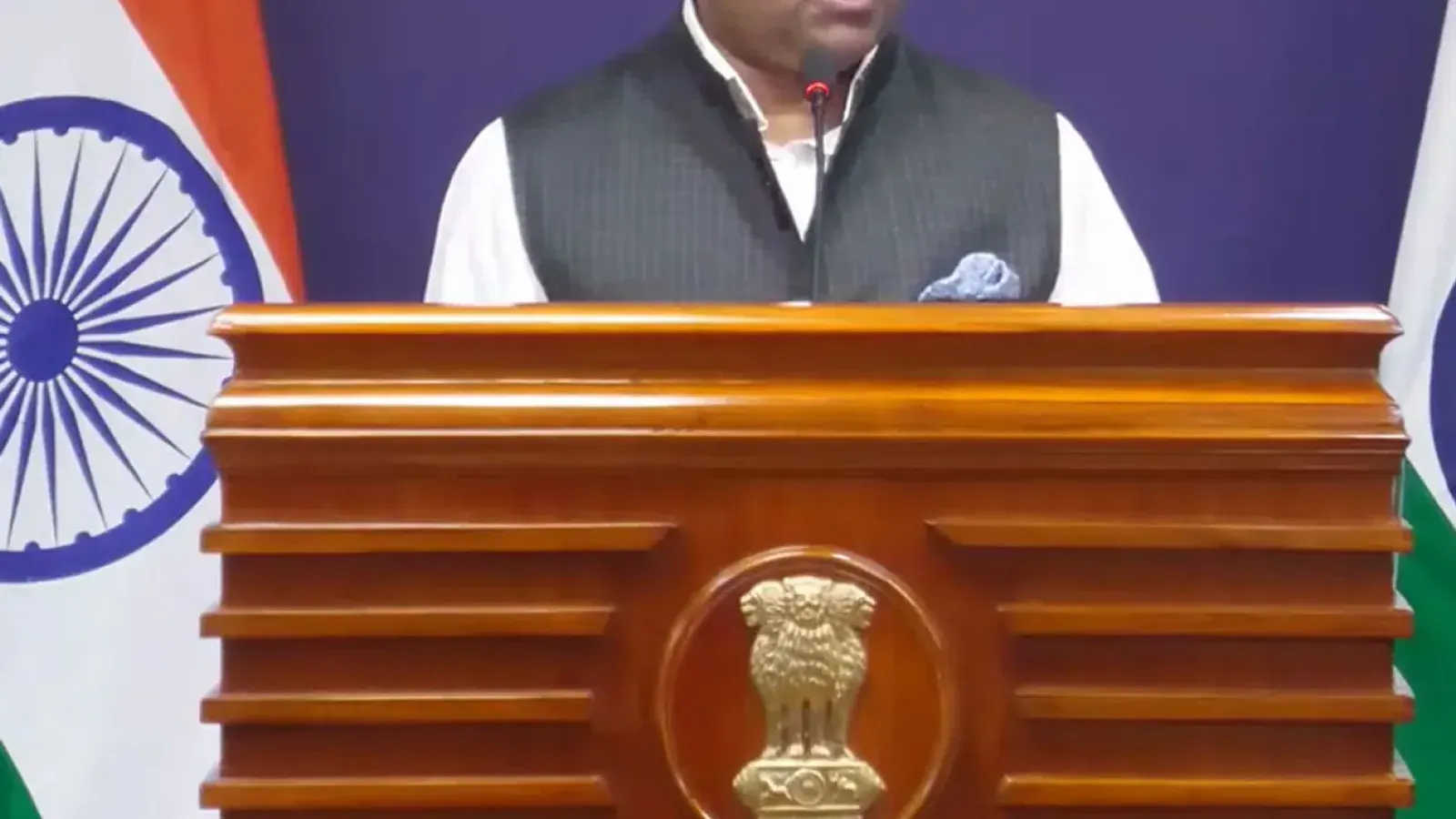
The Chinese Foreign Ministry swiftly responded to the American actions on Tuesday. Lin Jian forcefully defended his country's bilateral relationship with Tehran, stating that cooperation between Beijing and Iran has always operated under international law and should not be subjected to outside interference. Lin Jian added that China remains firmly opposed to unilaterally imposed illegal sanctions and emphasized that the country will take all necessary steps to resolutely protect its own legitimate rights and interests.
Concurrently, the security situation in vital Middle Eastern waterways has grown increasingly perilous. Reports have emerged detailing a military attack on an oil tanker operating within the strategic Strait of Hormuz. This maritime incident has compounded fears of broader regional conflict and disrupted vital energy shipping lanes that are crucial for global petroleum supplies and international commerce.
Senior military and defense officials from the United States have also adopted a combative posture regarding the unfolding crisis. Pete Hegseth, representing the United States Department of Defense, warned that American defense strategies are shifting, explicitly stating that military strikes near Iran or within the Strait of Hormuz remain a distinct possibility that authorities are in no way ruling out.
Responding to the mounting pressure from Washington, Iranian officials have signaled a readiness to retaliate against potential aggression. Ali Madanisadeh, speaking on behalf of the Iranian Ministry of Finance, delivered a stark warning regarding his nation's military posture by declaring that their defense is no longer purely defensive and that potential adversaries should now prepare for active hostilities.