Understanding US Dash Cam Laws: State-by-State Regulations
Dash cams are legal to use across all 50 states, but local regulations regarding windshield mounting and audio recording vary significantly. Drivers must navigate a complex patchwork of state-specific rules to ensure compliance with Department of Motor Vehicles guidelines.
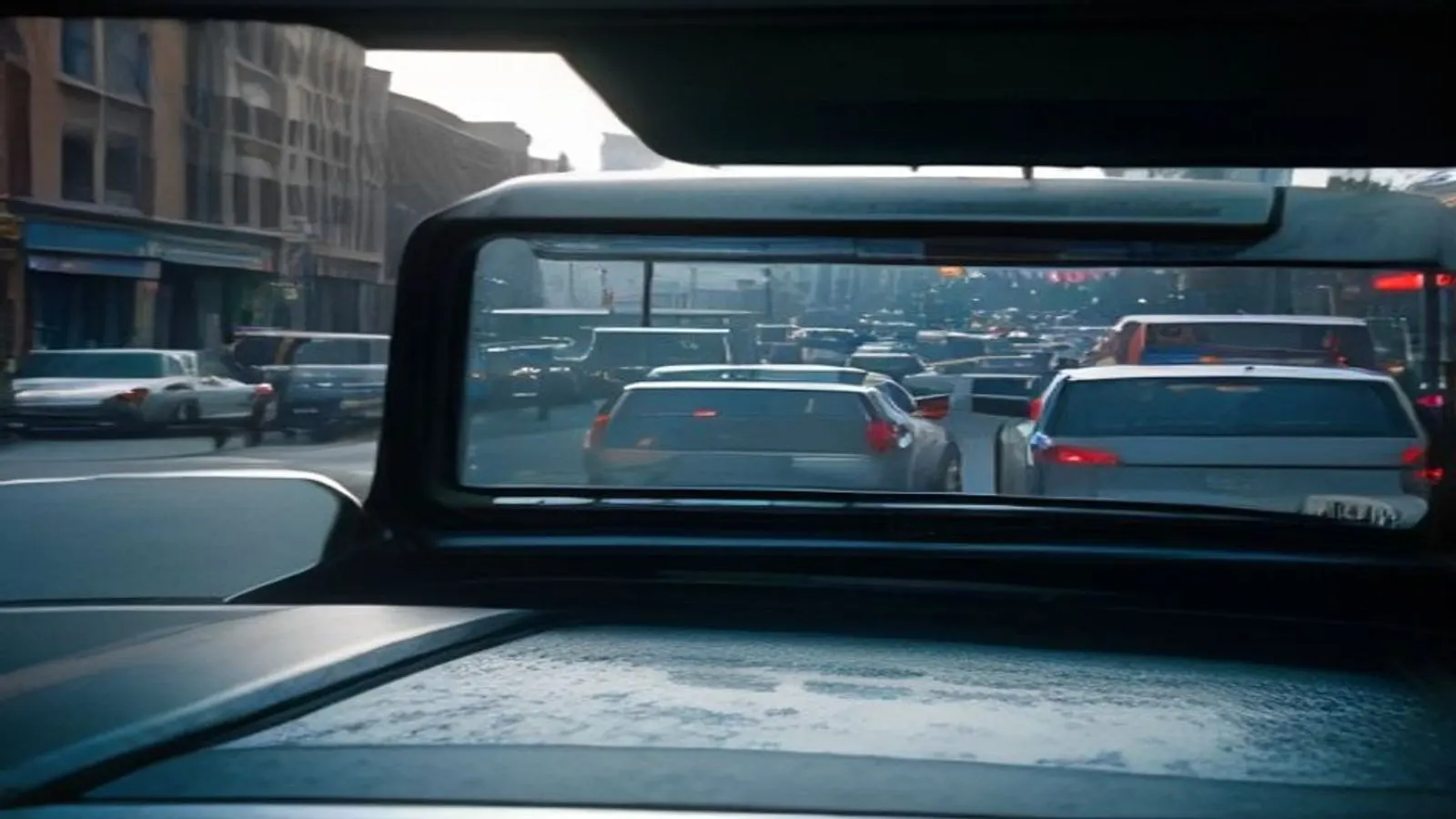
Drivers across the United States increasingly rely on dashboard cameras to record their daily commutes and provide crucial evidence in the event of traffic incidents. According to current legal guidelines, dash cams are entirely legal to own and operate in all 50 states throughout the country. However, while the devices themselves are permitted nationwide, the specific regulations governing how, where, and when they can be used differ dramatically depending on the jurisdiction.
A major consideration for motorists is the physical placement of the camera on the vehicle. A total of 17 states enforce explicit rules requiring that a dash cam must not obstruct the driver's field of vision under any circumstances. Specifically, these jurisdictions include Alaska, Arizona, California, Florida, Hawaii, Illinois, Indiana, Iowa, Kansas, Kentucky, Maine, Maryland, Missouri, Nevada, North Carolina, Utah, and Vermont. Furthermore, some individual states take an even stricter approach to windshield obstructions.
In certain jurisdictions, such as Pennsylvania and Minnesota, the local laws go so far as to forbid having anything mounted on a windshield whatsoever. Drivers in these states must find alternative, approved mounting locations, such as the dashboard, or risk being pulled over and cited by law enforcement for violating visibility and equipment laws enforced by the Department of Motor Vehicles.
Beyond physical placement, motorists must also remain acutely aware of local laws regarding audio surveillance. While recording video from the exterior or interior of a moving vehicle is generally acceptable, capturing audio introduces strict legal hurdles. In 13 states across the nation, recording conversations inside a vehicle requires two-party or all-party consent from all individuals present.
The specific jurisdictions that enforce these stringent two-party or all-party audio consent rules include California, Delaware, Florida, Illinois, Maryland, Massachusetts, Michigan, Montana, Nevada, New Hampshire, Oregon, Pennsylvania, and Washington. Failing to secure the necessary consent before recording passenger conversations in these states can potentially lead to legal complications for the driver.
Because rules regarding dash cam positioning, allowable size, and audio recording vary so significantly from state to state, motorists are advised to thoroughly research their local Department of Motor Vehicles regulations before installing a camera. Ensuring full compliance with both visual obstruction rules and audio consent statutes helps drivers utilize these helpful recording devices safely and legally across the United States.