

Understanding the WEEE Symbol on Electronic Devices and E-Waste
Electronic devices feature a crossed-out dustbin symbol known as the WEEE mark. This indicator signals that products must not enter regular household waste streams upon disposal.
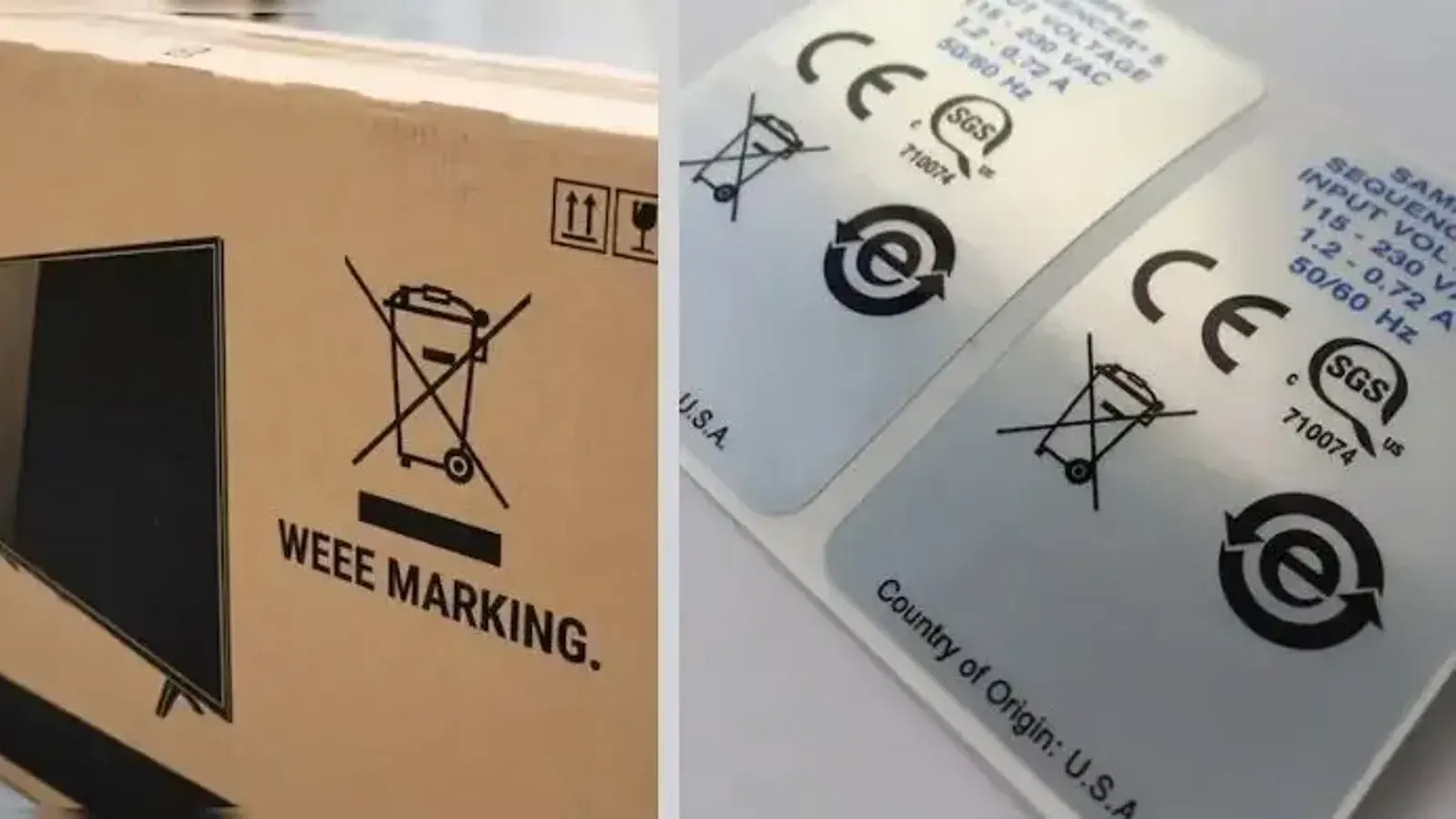
Consumers purchasing and utilizing modern electronic devices, such as smartphones, laptops, and various chargers, frequently encounter a specific graphical marking stamped or printed onto the hardware. This universally recognized design features the clear outline of a small household dustbin overlaid with a bold, distinct cross directly across it. Far from being a mere decorative element or a manufacturing code, this visual indicator carries significant regulatory and environmental meaning for anyone handling consumer technology.
The marking itself is officially known as the WEEE symbol, which stands for Waste Electrical and Electronic Equipment. According to the established standards governing electronic goods, the presence of this crossed-out dustbin serves a critical communicative function for the end user. It explicitly indicates that the product in question should not be disposed of alongside regular household waste when the device ultimately reaches the end of its operational life cycle.
The rationale behind this strict prohibition relates directly to the complex composition of modern technology. Electronic waste contains a wide variety of materials, including valuable metals, standard plastics, integrated batteries, and sometimes hazardous substances such as lead, mercury, and cadmium. If discarded improperly into standard municipal garbage systems, these toxic components pose a genuine threat to ecosystems and public health through environmental pollution.
Consequently, managing these items requires specialized handling rather than conventional refuse collection. Proper disposal of such hardware involves utilizing dedicated e-waste collection and recycling systems. These specialized systems are specifically designed to safely process the discarded materials, preventing hazardous leakage into the environment while simultaneously recovering valuable metals and resources for future manufacturing needs.