
Understanding the Technology Behind Foldable Smartphones and OLED Displays
Foldable smartphones rely heavily on advanced OLED display technology, which allows screens to be manufactured as extremely thin and flexible panels. Unlike traditional LCD screens, these modern OLED panels operate without the need for a separate backlight.
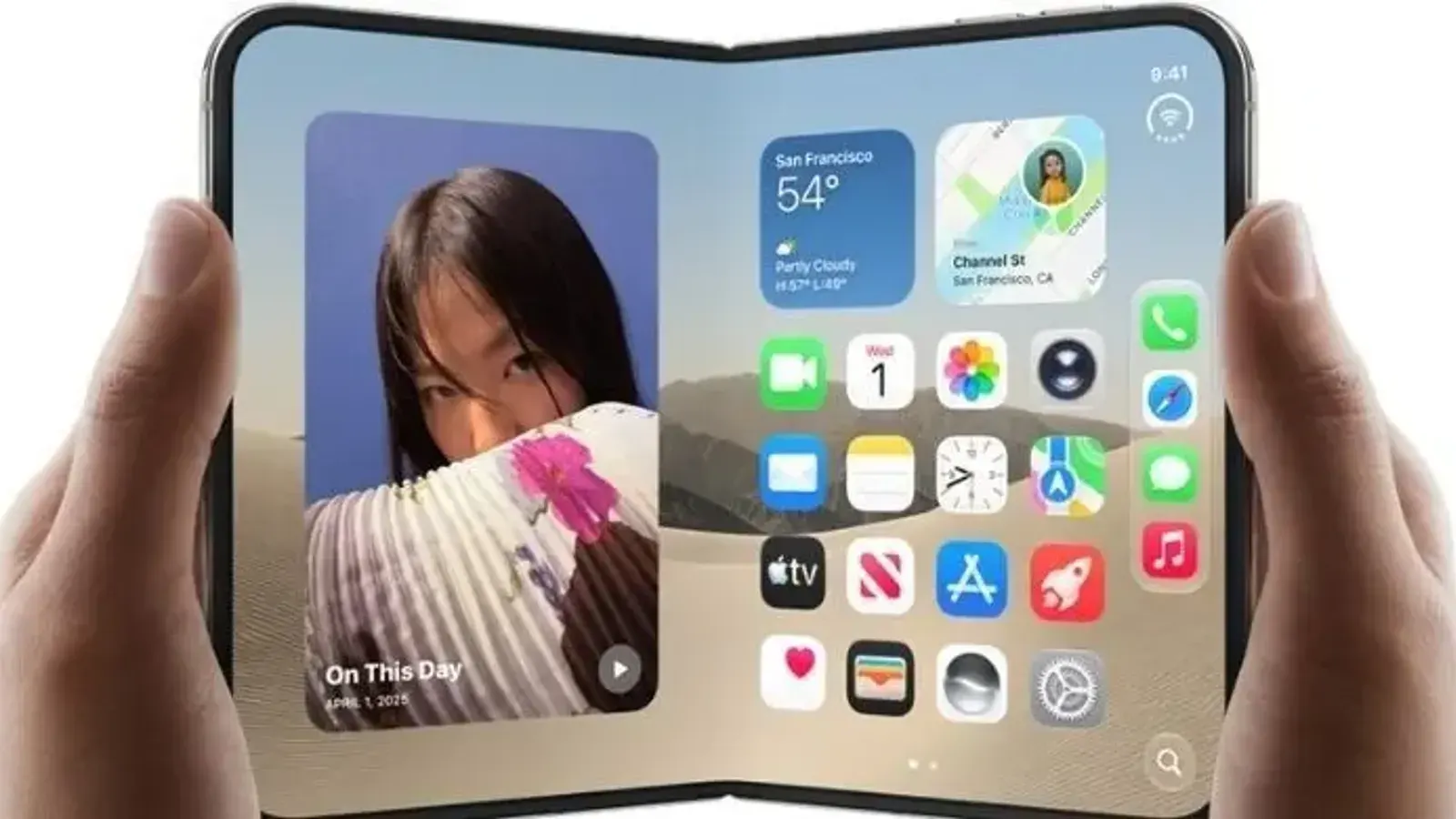
In the rapidly evolving landscape of mobile technology, foldable smartphones have emerged as a significant innovation, capturing the attention of consumers and tech enthusiasts alike. At the core of these devices is a sophisticated screen architecture that allows the physical display to bend and fold repeatedly without breaking. Industry participants, including smartphone manufacturer স্যামসাং, heavily utilize specialized screen technology to achieve this form factor, transforming how modern mobile devices are designed and manufactured for everyday use.
According to confirmed technical details regarding these devices, the displays on foldable smartphones typically utilize OLED technology. Organic Light Emitting Diode technology has become the gold standard for devices that require high visual quality combined with physical adaptability. This specific type of display panel possesses unique physical properties that set it apart from older, more rigid screen technologies used in previous generations of consumer electronics and mobile handsets.
One of the primary technological advantages of utilizing OLED technology in foldable devices is the physical nature of the components. Specifically, OLED panels can be manufactured to be exceptionally thin and remarkably flexible. This extreme thinness and flexibility are crucial for foldable smartphones, as the display must withstand the mechanical stress of continuous folding and unfolding movements while maintaining structural integrity and visual performance over extended periods of usage.
Furthermore, the internal mechanics of OLED displays offer distinct structural benefits over traditional liquid crystal display panels. Unlike conventional LCD screens, which require a separate backlight system to illuminate the pixels and render images visible to the user, OLED displays function entirely differently. Because every individual pixel in an OLED panel produces its own light, the display eliminates the necessity for a bulky, separate backlight component altogether.
The absence of a separate backlight not only contributes to the overall thinness of the display panel but also simplifies the internal engineering required to build a foldable device. By removing this rigid component, manufacturers can create smoother hinges and more compact folding mechanisms. This technological distinction remains a foundational element in the ongoing development and production of foldable smartphones across the global technology market.