

Understanding Hybrid Vehicle Batteries, Diagnostics, and Maintenance
Hybrid vehicles typically feature two distinct batteries: a standard low-voltage auxiliary unit and a much larger traction battery. Understanding how these power sources operate, along with knowing warranty coverages from manufacturers like Toyota and Honda, is essential for proper maintenance.
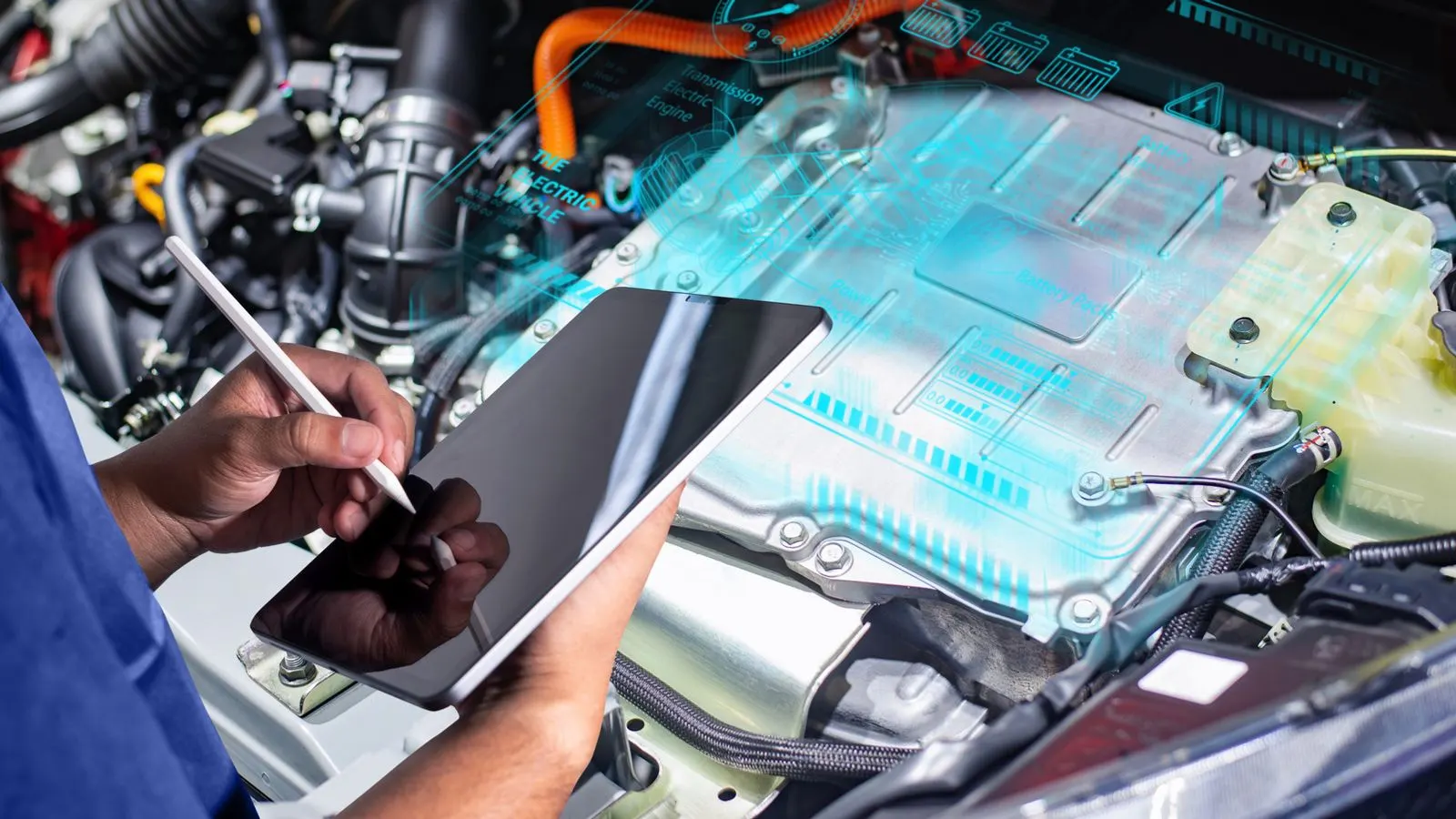
When examining the mechanical and electrical makeup of modern hybrid vehicles, owners and prospective buyers must understand that these automobiles typically rely on two separate batteries. The first is a standard low-voltage auxiliary battery, which functions similarly to the battery found in a traditional internal combustion engine car. The second is a much larger traction battery, which is specifically designed to store the electrical energy required to assist the vehicle's electric propulsion system.
The low-voltage auxiliary battery plays a critical operational role in the vehicle's daily functionality. In fact, a dead 12-volt auxiliary battery can cause the vehicle to become completely inoperable, preventing the driver from starting the car or engaging essential onboard electronics, even if the larger high-voltage traction battery is fully charged and otherwise healthy.
Protecting these vital electrical components often involves manufacturer-backed warranties, which provide financial security for owners experiencing component failures. For instance, major automotive manufacturer Toyota maintains a specific United States warranty policy that covers the traction battery in many 2020-and-newer hybrid models for an impressive duration of 10 years or 150,000 miles, whichever comes first.
In addition to Toyota, other major industry stakeholders such as Honda, Bluegame, and photo archives like Getty Images are often referenced in broader automotive discussions surrounding hybrid technology, diagnostics, and visual documentation of modern vehicle maintenance procedures. However, specific mechanical maintenance routines require careful attention to both the auxiliary and traction battery systems to ensure long-term reliability.
Ultimately, proper upkeep of a hybrid vehicle demands a clear awareness of how its dual-battery setup functions under daily driving conditions. By keeping informed about manufacturer warranty guidelines, such as Toyota's extensive coverage for newer models, drivers can better navigate unexpected diagnostics, battery failures, and routine vehicle maintenance requirements.