

Understanding Doomscrolling: Impacts on Sleep and Brain Health
Doomscrolling involves continuously scrolling through social media or news feeds to consume negative content. Experts explain that this modern habit can lead to significant sleep disruptions, anxiety, and reduced concentration.
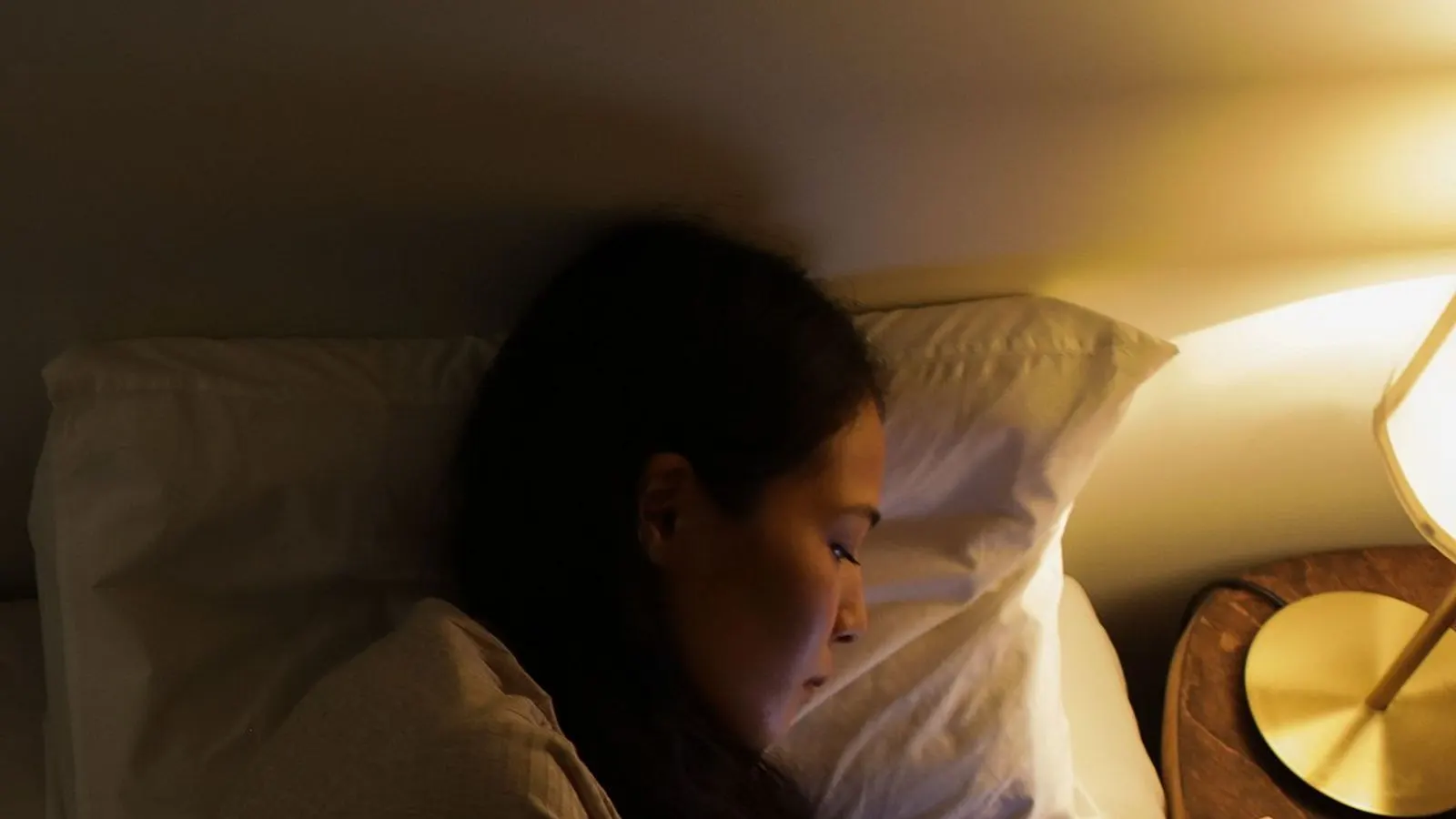
In the digital age, a new habit known as doomscrolling has become increasingly common among internet users worldwide. Doomscrolling is defined as the compulsive habit of continuously scrolling through various social media platforms or news feeds, with individuals frequently consuming negative content during these sessions. According to findings highlighted by the media outlet Hal Fashion Desk, engaging in this relentless scrolling behavior can have profound consequences for an individual's overall well-being.
The effects of excessive doomscrolling extend deeply into both mental health and daily cognitive function. Individuals who indulge in this continuous consumption of negative information often experience a wide range of adverse health impacts. Among these documented effects are severe sleep disruptions, a noticeable reduction in personal concentration, heightened levels of anxiety, and a persistent state of restlessness.
A major biological factor contributing to these sleep problems is the physical nature of modern electronic devices. The blue light that is continuously emitted from phone screens, particularly when used during the night hours, plays a disruptive role in human biology. This specific type of screen light can actively reduce the natural production of melatonin, which is the crucial hormone responsible for assisting restful sleep.
To combat the detrimental effects associated with this behavior, experts strongly recommend implementing proactive boundaries regarding technology use throughout the day and night. Recommended strategies for mitigating the impact of doomscrolling include turning off all non-essential notifications on digital devices to reduce the temptation of constant checking.
Additionally, health professionals advise keeping digital devices completely away at least one full hour before attempting to sleep. By establishing these intentional digital boundaries, individuals can protect their sleep cycles, preserve their cognitive concentration, and significantly lower their daily anxiety and restlessness levels related to constant negative news consumption.