
UN Security Council holds second informal straw poll for next chief
The UN Security Council has held a second round of informal voting in New York to select the next secretary-general. Current chief Antonio Guterres is set to complete his term by the end of December.
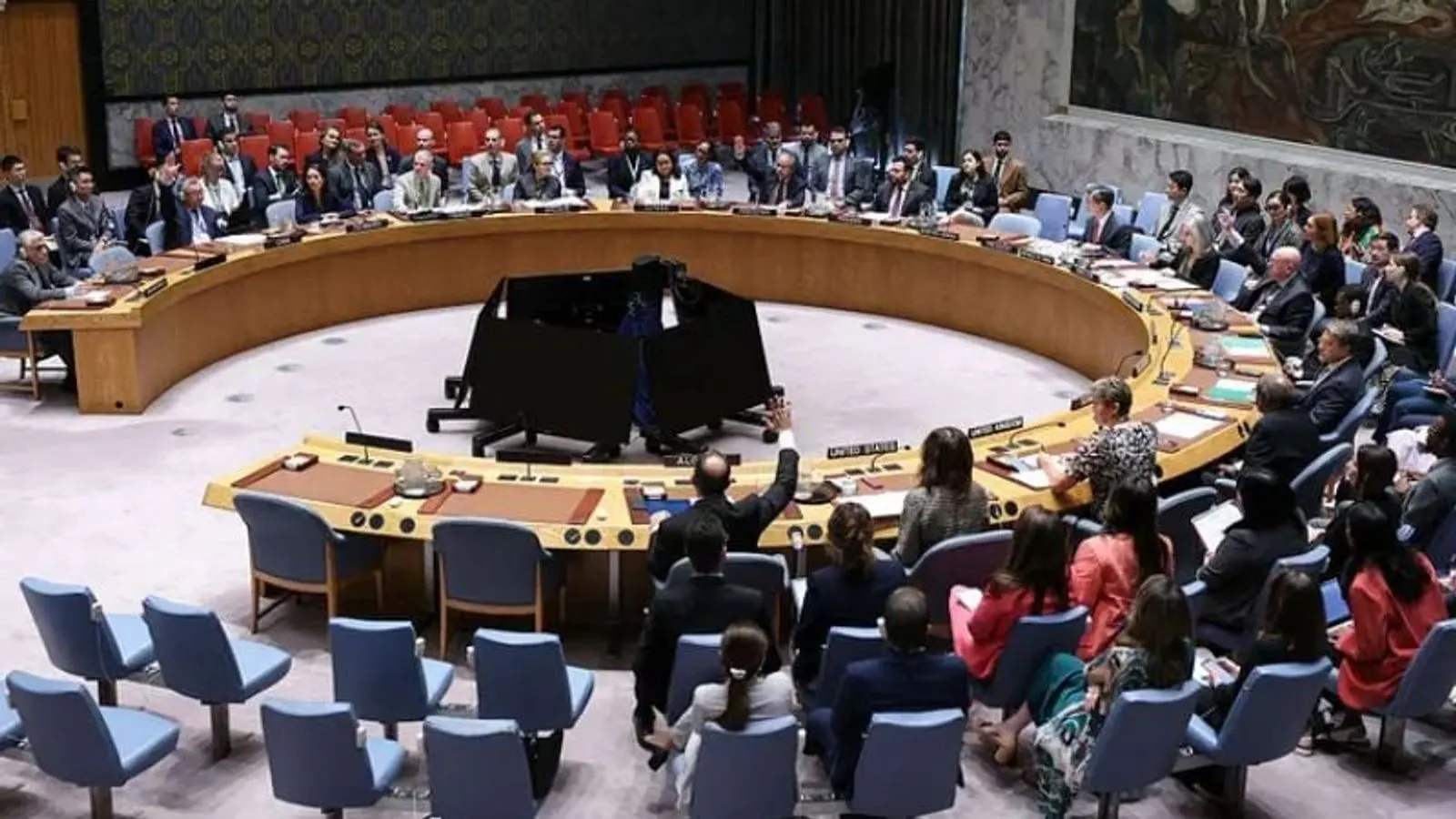
Diplomats and international observers are closely following proceedings at the United Nations headquarters in New York, United States, where the Security Council has convened for a crucial second round of informal voting. This ongoing process is designed to narrow down the contenders vying to succeed the current leadership at the global organization, with the latest balloting taking place on Friday to evaluate the relative strength of each candidate in the race.
The procedural framework governing the selection requires that any candidate must secure a minimum of nine affirmative votes from the fifteen member states that comprise the United Nations Security Council. This high threshold serves as a critical filter for the diplomatic corps as they assess which individuals possess the necessary international backing to lead the institution into its next chapter of global governance and multilateral diplomacy.
Context surrounding the timeline of the transition emphasizes the urgency of the proceedings, as the incumbent United Nations Secretary-General, Antonio Guterres, is scheduled to officially step down when his current tenure concludes on December 31. The impending departure of Guterres has set off a rigorous diplomatic campaign, drawing considerable attention from member states and international stakeholders who are invested in the future direction of the world body.
Reflecting on the dynamics of the electoral process, Daniel Forti of the International Crisis Group provided expert perspective on how the ballots unfold. Forti noted that while the initial informal vote established a preliminary picture of the leadership contest, the second round of voting offers vital insight into the trajectory of the competition. According to initial reports from the earlier stages of the selection process, Rebecca Grynspan of Costa Rica had emerged as the frontrunner.
Looking ahead at the implications of Friday's ballot, analysts anticipate incremental shifts rather than an immediate resolution. Diplomats suggest that candidates who performed strongly in the July vote will attempt to further consolidate their political support base. However, experts like Forti caution that a definitive gap between the competing candidates is unlikely to become fully apparent immediately following Friday's session, leaving the ultimate outcome of the race open as consultations continue.