
UN General Assembly Adopts Equal Earth Projection Resolution
The United Nations General Assembly voted overwhelmingly on Friday to promote the Equal Earth projection as an alternative to the Mercator map. The resolution, led by Togo and backed by the African Union, passed despite opposition from the United States and several abstentions.

On Friday in New York, the United Nations General Assembly adopted a resolution promoting the Equal Earth projection as an alternative to the traditional Mercator map. The diplomatic initiative was officially led by Togo on behalf of the African Group and received substantial backing from the wider African Union, which had previously adopted the Equal Earth projection itself in March.
The formal vote on the resolution resulted in a decisive 164 to 1 outcome among member states. However, the measure faced notable resistance and hesitation from a handful of nations during the proceedings at the international body. The United States stood alone as the only country to cast a vote against the resolution, registering the sole dissenting voice in the chamber.
In addition to the solitary opposing vote from the United States, a group of six countries chose to abstain from the decision. The delegations from Serbia, Estonia, Georgia, Lithuania, Moldova and Ukraine all abstained rather than supporting or opposing the text, which focuses on the cartographic representation of global landmasses.
Despite the strong majority in favor of the measure, officials and diplomats debated the appropriateness of the international organization addressing cartography. Yaryna Ferencevych sharply criticized the debate, stating that it highlights 'the reason this institution is losing its credibility' and questioned the priorities of the assembly by asking why it was debating 'map projects from the 16th century' instead of focusing on genuine problems.
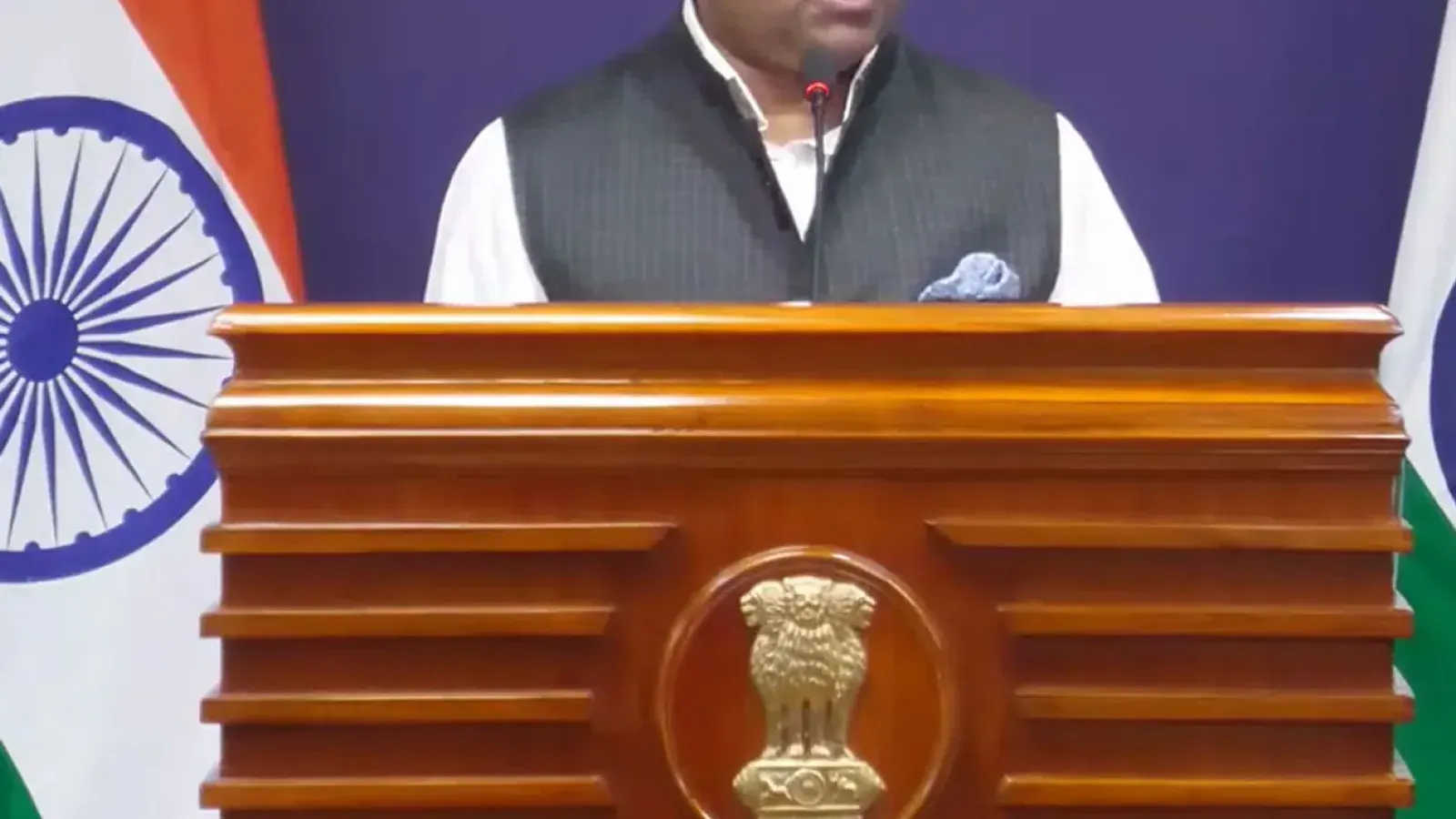
Supporters of the initiative offered a starkly different perspective on the significance of modern map projections. Robert Dussey defended the resolution by arguing that maps actively shape education, imagination and collective perception, and emphasized that the newly adopted UN text affirms the true African reality.
Even with the official adoption of the text by the United Nations General Assembly in New York, the measure remains strictly nonbinding for all member states. As the international community processes the vote, the debate over map projections continues to highlight differing views on global representation, education and institutional priorities.